

























IEA Chief Issues Stark Warning on Iran War And It Could Be Worse Than 1970s Oil Crises
The head of the International Energy Agency has delivered one of the starkest assessments yet of where the global energy crisis is heading — and his core message is that the world has not yet begun to price in how bad this gets.
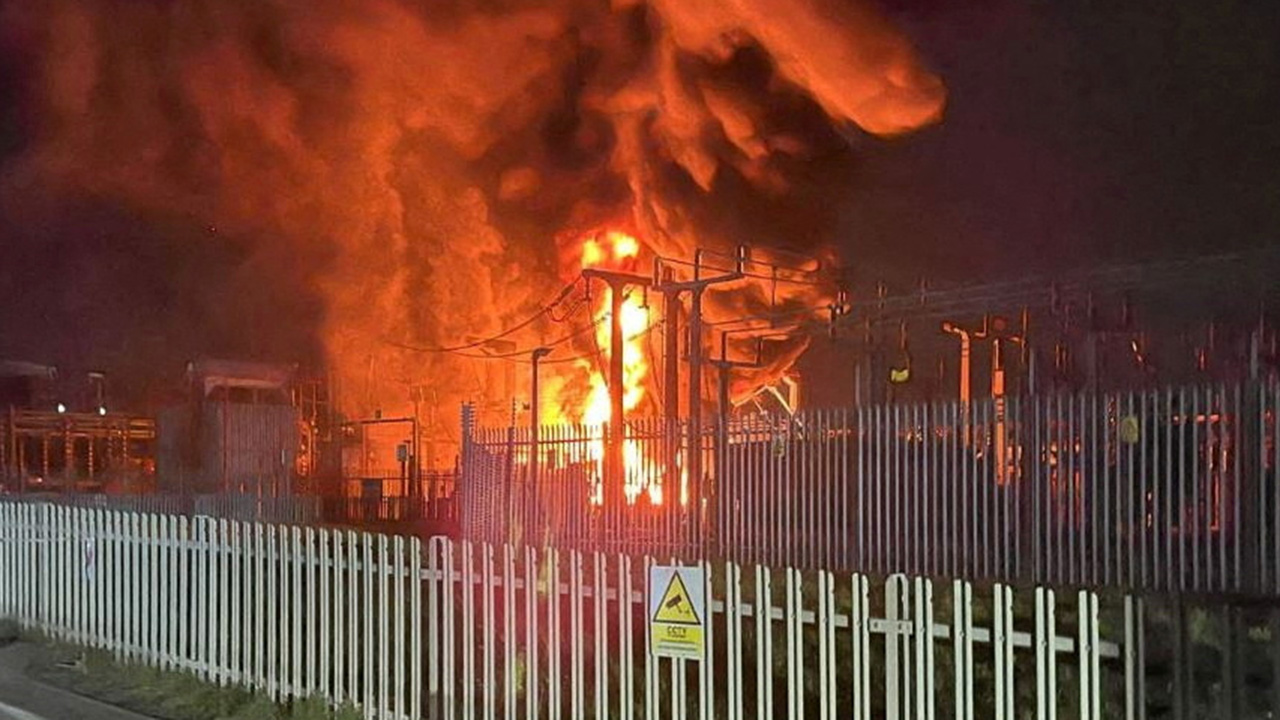
Fatih Birol, IEA Executive Director, said in an interview that politicians and markets were still underestimating the scale of the disruption caused by Iran’s effective blockade of the Strait of Hormuz — the waterway through which approximately one-fifth of the world’s oil and liquefied natural gas normally flows. “People understand that this is a major challenge, but I am not sure that the depth and the consequences of the situation are well understood,” he said.
The Recovery Problem Nobody Is Talking About
The most consequential part of Birol’s warning was not about the crisis as it stands today. It was about what happens after it ends. Even in the scenario where the conflict concludes and the Strait reopens, the physical infrastructure of Gulf energy production has been so severely damaged that recovery will be measured in months and years, not weeks. “It will take a long time,” he said. “It will be six months for some sites to be operational, others much longer.”
This is the assumption that markets have not yet fully priced — that the end of hostilities is not the end of the supply shock. Oil and gasfields that have been shut down or physically damaged cannot simply be switched back on. The infrastructure, personnel and logistics required to restart major production facilities take time that energy markets are not accustomed to waiting for.
Beyond Oil: The Commodities Nobody Is Mentioning
Birol was pointed in widening the frame of the crisis beyond crude oil and gas. Iran’s threats against vessels in the Strait have brought what he described as “vital arteries to a halt” for a much broader range of commodities — fertilisers critical to global crop production, petrochemicals that underpin plastics, clothing and manufacturing supply chains, sulphur and helium. “These are vital commodities for the global economy,” he said.
Airlines are already preparing for jet fuel shortages with suppliers unable to guarantee availability beyond three to four weeks. China has banned diesel and fertiliser exports. Several governments are implementing fuel rationing and four-day working weeks. Spain announced €5 billion in energy tax cuts on Friday, including cutting VAT on petrol, diesel, electricity and natural gas from 21% to 10%. Italy has cut fuel taxes by a fifth.
What the IEA Has Left in Reserve
Last week the IEA announced the release of 400 million barrels of oil and refined products from global strategic stockpiles — the largest coordinated reserve release in the agency’s history. Birol was careful to point out this represents only 20% of available reserves. “We still have 80 per cent in our pocket,” he said — a deliberate signal to markets that the IEA retains significant capacity to intervene further if conditions deteriorate.
He also confirmed he has held direct talks with Canada, Mexico, Brazil, Norway and other major producers about accelerating output increases to compensate for lost Gulf supply. Whether those conversations translate into meaningful additional barrels on the market — and on what timeline — will be one of the critical variables determining whether oil analysts’ forecasts of $150 per barrel or more if the conflict extends beyond April prove accurate.
The US, meanwhile, is weighing two options that would have seemed unthinkable weeks ago: releasing additional crude from its Strategic Petroleum Reserve on top of the IEA action, and potentially suspending sanctions on Iranian oil — a move that would simultaneously ease price pressure and hand Tehran an economic lifeline while US forces remain militarily engaged against it. The contradiction at the heart of that option has not escaped notice in Washington.
Birol declined to speculate on specific price levels, but his direction of travel was unambiguous: prices will continue climbing for as long as the Strait remains closed. The diplomatic framework that could end the conflict does not yet exist in any meaningful form. And the IEA chief’s warning — that the consequences are still not well understood — suggests the repricing has further to run.
The post IEA Chief Issues Stark Warning on Iran War And It Could Be Worse Than 1970s Oil Crises appeared first on European Business & Finance Magazine.