


















How European Businesses Are Modernising Hazardous Waste Management
Across Europe, sustainability has evolved from a long-term ambition into an operational priority. Businesses are under growing pressure to improve environmental performance, strengthen compliance processes, and align with increasingly ambitious ESG objectives. While much of the conversation around sustainability focuses on renewable energy and carbon reduction, hazardous waste management is becoming an equally important part of the equation.
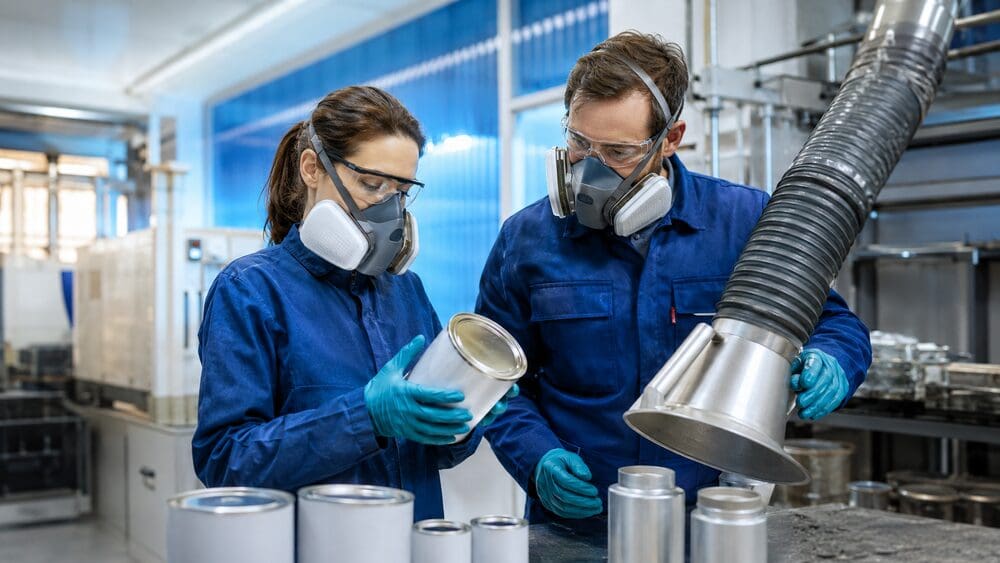
Industries ranging from manufacturing and construction to healthcare and chemicals are facing a more complex regulatory landscape. Hazardous materials require careful handling, accurate documentation, secure transportation, and compliant disposal processes. As environmental standards continue to tighten across Europe, many organisations are rethinking how they manage waste throughout their operations.
This shift is not only about meeting legal obligations. Businesses are increasingly recognising that effective hazardous waste management can improve operational efficiency, reduce risk, strengthen reporting accuracy, and support wider sustainability goals.
A More Demanding Compliance Environment
European environmental regulations have become more detailed in recent years, particularly around waste traceability and reporting. Companies are expected to maintain accurate records of how hazardous materials are stored, transported, treated, and disposed of. Failure to do so can result in significant financial and reputational consequences.
For many organisations, traditional manual processes are no longer sufficient. Paper-based systems and fragmented supplier networks can create operational blind spots that make compliance more difficult to manage at scale.
This is especially relevant for businesses operating across multiple sites or regions, where consistency and visibility become increasingly important.
Technology Is Improving Visibility and Accountability
One of the biggest developments within the waste sector has been the growing use of technology to improve oversight and efficiency. Digital tracking systems, automated reporting tools, and centralised waste management platforms are helping organisations gain better visibility into their waste operations.
This modernisation allows businesses to:
- improve waste traceability
- reduce administrative workload
- strengthen environmental reporting
- identify inefficiencies within disposal processes
- support internal ESG objectives
Better access to operational data also enables companies to make more informed decisions about waste reduction and resource management.
As sustainability reporting becomes more important to investors, regulators, and customers, accurate waste data is increasingly viewed as a strategic asset rather than a back-office requirement.
Hazardous Waste and the Circular Economy
Europe’s transition toward a circular economy depends on stronger control over materials throughout the supply chain. Hazardous waste presents unique challenges within this transition because improper handling can create environmental and public health risks.
Improving waste accountability helps ensure that hazardous materials are processed responsibly while supporting broader sustainability initiatives across industry.
Businesses are also becoming more selective about the partners they work with. Specialist providers with expertise in compliance, reporting, and waste logistics are playing a larger role in helping organisations navigate evolving regulations and operational demands.
Companies such as Wastege are part of a growing group of businesses helping organisations modernise hazardous waste management through more efficient and accountable operational processes.
Sustainability Through Operational Improvement
Hazardous waste management is no longer viewed solely as a compliance function. Increasingly, it is becoming part of a wider business strategy focused on sustainability, efficiency, and long-term resilience.
As European industries continue to modernise, organisations that invest in better waste visibility, stronger reporting processes, and more effective operational systems are likely to be better positioned for the future.
The conversation around sustainability often centres on innovation in energy and manufacturing, but improving how hazardous waste is managed may prove equally important in supporting Europe’s environmental ambitions.
The post How European Businesses Are Modernising Hazardous Waste Management appeared first on EU Business News.