


























China’s EV Industry Has Found Europe’s Weak Spot — and It’s Spain
EBM Newsdesk Analysis — By Nick Staunton, Editor-in-Chief
When the European Commission imposed tariffs of up to 45.3% on Chinese-made electric vehicles, the intent was clear: protect European automotive manufacturers from subsidised Chinese competition. The Chinese response has been equally clear — and considerably more strategically sophisticated than Brussels anticipated. Rather than absorbing the tariffs or retreating from the European market, China’s carmakers are building their way around them. Spain is where the strategy is crystallising most visibly.
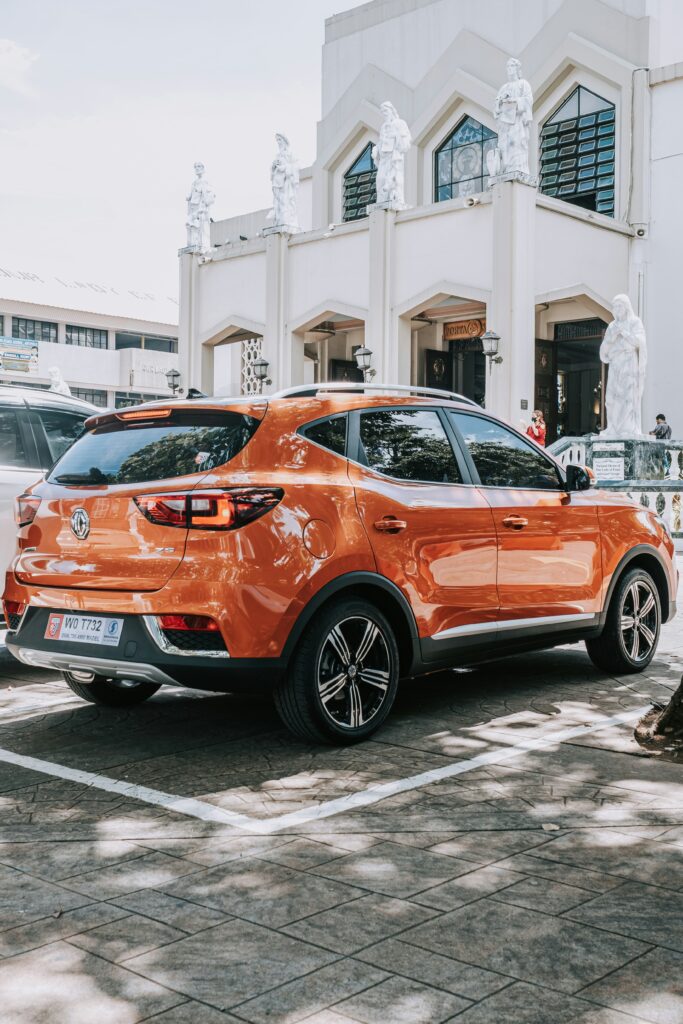
MG Picks Galicia for Europe’s First Factory
According to Bloomberg, SAIC’s MG Motor has selected Galicia in north-western Spain for its first EU factory, committing €200 million to a facility targeting annual production of 120,000 vehicles. Production is targeted to begin in 2028, creating approximately 2,000 jobs across Europe.
The commercial logic is straightforward. SAIC faces the steepest tariff burden of any Chinese manufacturer — 35.3% in additional duties on top of the standard 10% import tariff, a combined levy of 45.3%. A factory inside the EU removes that burden entirely, restoring price competitiveness at a stroke. The Galicia region was selected partly for its strong shipping connections to the UK, which remains MG’s most important European market — a geography that gives Spanish production a logistical advantage over alternatives in central Europe.
The facility will combine vehicle research and development, advanced manufacturing, key component supply and intelligent logistics operations within a single connected operation. MG has expanded across 34 European markets since returning to the UK in 2011, building a dealer network of more than 1,300 partners. Parent company SAIC recently delivered its 100-millionth customer vehicle globally. This is not a tentative market entry. It is a company that has established commercial scale in Europe and is now building the manufacturing infrastructure to match.
Spain Is Becoming China’s European Automotive Beachhead
MG’s Galicia announcement is significant in isolation. In context, it is part of a pattern that is reshaping European automotive geography in ways that the continent’s established manufacturers are only beginning to absorb.
According to Reuters, BYD has identified Spain as its top candidate for a third European factory, with the country’s relatively low manufacturing costs and clean energy network cited as primary attractions. BYD already has factories under construction in Hungary and Turkey, with a stated ambition to produce all European-market vehicles locally by 2028.
Leapmotor, operating through a joint venture with Stellantis, is using an existing facility in Zaragoza. Chery has started vehicle assembly in Catalonia, simultaneously reviving production under the historic Ebro brand. Changan is reportedly evaluating northern Spanish locations. And CATL, the world’s largest battery manufacturer, is partnering with Stellantis on a €4.1 billion battery plant in Aragon targeting production by end of 2026.
The concentration of Chinese automotive investment in Spain is not accidental. Spain has actively courted Chinese investment through competitive manufacturing costs, renewable energy infrastructure and direct diplomatic engagement — Prime Minister Sánchez has visited China four times to meet automotive executives. As we explored in our analysis of how Europe’s regulatory framework is reshaping its competitive position in global markets, the combination of political will and industrial infrastructure has made Spain the path of least resistance for Chinese manufacturers navigating EU trade policy.
The Tariff Strategy Is Working — For China
The European Commission’s EV tariffs were designed to give European manufacturers time to compete. What they have actually done is accelerate the establishment of Chinese manufacturing capacity inside the EU’s borders — precisely where the tariffs do not apply.
This dynamic is not unique to automotive. As we reported in our analysis of how the EU’s trade tools are being tested against China across multiple sectors, the fundamental problem with tariff-based protection is that it incentivises exactly the kind of investment that neutralises it. A Chinese carmaker building in Spain is no longer a Chinese import — it is a European manufacturer, entitled to all the rights and market access that entails.
The competitive pressure on Volkswagen, Stellantis, Renault and the broader European automotive sector is therefore not being reduced by the tariffs. It is being relocated — from the port of entry to the factory floor, from a customs question to a manufacturing competition that European carmakers will need to win on quality, technology and cost rather than regulatory protection.
What European Carmakers Face Next
For European automotive manufacturers, the Chinese move into Spanish production creates a competitive dynamic that is harder to address than imported competition. A Chinese brand making cars in Galicia is not subject to tariffs, has access to Spanish and EU industrial subsidies, benefits from European supply chain relationships and can legitimately claim to be a European employer.
As we reported in our coverage of how Britain’s post-Brexit industrial position is being shaped by European manufacturing shifts, the automotive supply chain implications are particularly acute for the UK — the primary destination for MG’s Galicia output, yet sitting outside the EU’s single market.
The Commission’s tariff architecture was built around a specific threat model: Chinese factories in China, European consumers in Europe. That model is becoming obsolete faster than the policy designed to address it. Chinese carmakers are not retreating from Europe. They are arriving differently — and Spain has become the entry point. As we noted in our analysis of how EQT’s Scaleup Europe Fund represents Europe’s most serious attempt to build industrial capacity from within, the continent’s response to Chinese industrial expansion requires investment and innovation, not just regulation. The tariffs bought time. The question is what European carmakers have done with it.
Related Analysis
EU vs China Trade War: What the New Tools Actually Mean — The broader trade confrontation in which Chinese automotive expansion in Spain represents one of the most commercially significant tactical responses.
EU’s Competitiveness Drive Turns Green Transition on Its Head — How the regulatory and industrial policy landscape is reshaping European automotive competitiveness — and why tariff protection alone cannot substitute for manufacturing cost parity.
EQT’s New Mission: Turn Europe’s Start-Ups Into Global Tech Champions — How Europe is attempting to build industrial and technology capacity from within — and why the Chinese automotive response to EU tariffs makes that mission more urgent.
The post China’s EV Industry Has Found Europe’s Weak Spot — and It’s Spain appeared first on European Business Magazine.