
























How Cloud Infrastructure Is Transforming European Supply Chains
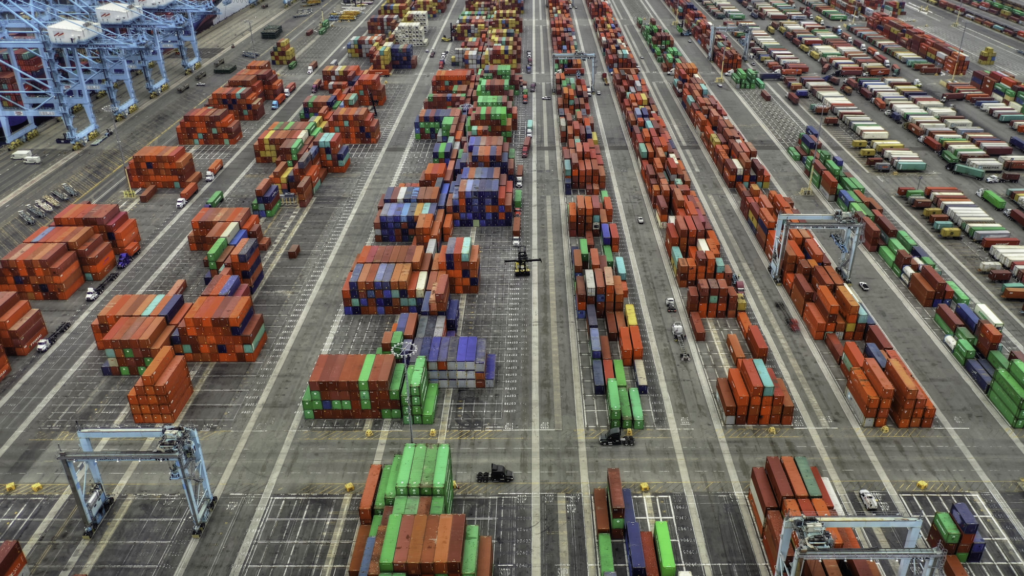
European enterprises are operating in one of the most demanding business environments in a generation.
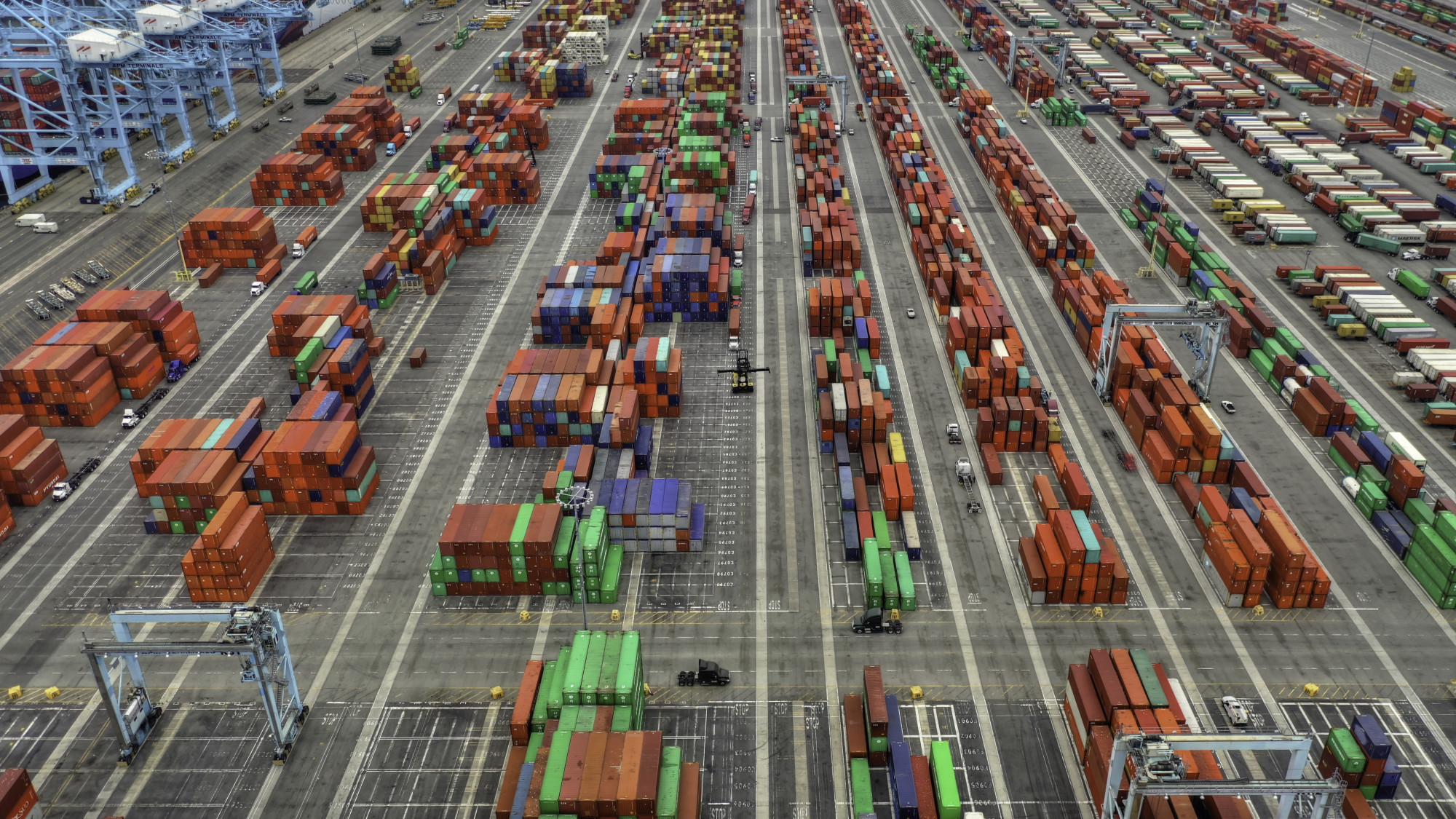
Geopolitical disruptions, energy volatility and post-pandemic structural reconfigurations have exposed the fragility of supply chains built on assumptions of stability and predictability.
Companies that relied on paper-based processes and legacy data systems found themselves unable to respond at the pace the market demands.
Digital transformation has moved from strategic aspiration to operational necessity across the continent.
For supply chain management specifically, the shift toward cloud-based data infrastructure is reshaping how organisations coordinate with suppliers, logistics partners and distribution networks at scale.
The Shift Toward Cloud-Based Business Infrastructure
Cloud adoption in European enterprise has accelerated significantly over the past five years.
Investment is breaking records. Under the EU’s Digital Decade framework, Europe has earmarked nearly €289 billion for digital infrastructure development, with cloud and AI-capable data systems forming the operational backbone of modernisation plans across manufacturing, retail, logistics and financial services.
The strategic case is no longer debated.
Cloud-based systems offer enterprises the ability to scale capacity without fixed capital commitments, integrate data from dispersed operations and respond to changes across their value chains with a speed that on-premise infrastructure cannot match.
This is particularly relevant for manufacturers and distributors operating across multiple European markets.
Navigating regulatory complexity, currency differences and logistical variation across EU member states demands systems that adapt dynamically.
Static, locally hosted infrastructure creates bottlenecks precisely where enterprises need flexibility most.
Why Data Exchange Systems Matter in Modern Enterprises
Every transaction in a modern supply chain generates a data event.
Purchase orders, invoices, advance shipping notices, inventory updates and delivery confirmations all need to be communicated between organisations quickly and accurately.
The volume of this exchange grows as supply networks expand across more partners, regions and logistics channels.
Traditional Electronic Data Interchange systems were designed for a different era.
They required specialist technical expertise, proprietary standards and long implementation cycles that made onboarding new trading partners a slow and costly process.
Many large European enterprises still depend on EDI infrastructure built decades ago, creating a structural mismatch between operational requirements and available capability.
These legacy systems were adequate when supply chains were simpler and transaction volumes lower.
They are increasingly misaligned with the speed, visibility and scalability that modern operations require.
Failures in data exchange, including delayed invoices, misrouted shipments and inventory discrepancies, translate directly into operational disruption and measurable financial exposure.
The Role of Cloud EDI in Supply Chain Efficiency
The transition from traditional EDI to cloud-native data exchange architecture addresses most of the structural limitations that have accumulated in legacy systems over time.
Cloud EDI enables organisations to exchange critical business documents, including purchase orders, invoices and advance shipping notices, through secure centralised cloud platforms rather than point-to-point legacy connections.
This removes the need for dedicated on-premise infrastructure at each trading partner location and reduces the specialist technical overhead that has historically made traditional EDI difficult to scale.
The operational advantages are concrete and well-documented.
Orderful EDI cloud services demonstrate how cloud-native platforms deliver faster trading partner onboarding, greater scalability across growing supply networks and real-time visibility into transaction status across the full supply chain.
These capabilities are not improvements on the margins ; they represent a fundamentally different operating model for enterprise data exchange.
The architectural approach also determines long-term adaptability.
Modern cloud EDI platforms built on API-first architecture allow organisations to integrate data exchange directly into existing ERP systems, warehouse management platforms and procurement tools with considerably less friction than legacy integration projects historically required.
This reduces both cost and complexity when connecting new partners or adapting to changes in the technology landscape.
For European enterprises managing supply chains across multiple countries, real-time visibility carries particular strategic value.
Knowing the status of orders, shipments and inventory levels in real time enables faster decision-making when disruptions occur, whether at a border crossing, a logistics hub or a supplier production facility.

Challenges in Enterprise Data Integration
Transitioning to cloud-based data exchange is not without complications.
Legacy system complexity is the most significant practical barrier. Enterprises operating the same EDI infrastructure for fifteen or twenty years have built significant business logic and data transformation processes into those systems.
Migration requires not just technical replacement but careful mapping of existing workflows, data models and partner-specific configurations that have accumulated over time.
Fragmented standards present an additional challenge for international operations.
European supply chains connect organisations operating under different EDI message standards. EDIFACT remains dominant across Europe while ANSI X12 is more prevalent in North America.
Organisations managing global supplier networks must reconcile these differences, and complexity grows when trading partners introduce proprietary variations on standard message formats.
Smaller suppliers within extended networks often represent the greatest adoption challenge.
Mid-sized manufacturers and logistics providers may lack the technical resources to implement even simplified cloud EDI connectivity without structured support from their larger supply chain partners.
Without careful onboarding programmes, the most fragile links in a supply network can become barriers to full network modernisation.
The Future of Digital Supply Chains
The supply chain technology landscape in Europe is converging toward greater automation and predictive capability.
Integrating cloud EDI data with advanced analytics platforms creates the foundation for supply chain intelligence that extends well beyond transaction processing.
Organisations able to analyse order patterns, supplier performance trends and logistics delays across their full network gain a decision-making advantage that compounds over time.
Digital twin technology is beginning to appear in more complex supply chain environments.
By building virtual models of physical supply networks that update in real time from live data sources, organisations can simulate the downstream effects of disruptions before they materialise in operations.
This forward-looking capability depends entirely on the quality and currency of the underlying data exchange infrastructure.
Pan-European data interoperability initiatives, including GAIA-X, are providing a framework for more standardised and sovereign data sharing between organisations across member states.
As these frameworks mature, they will reduce friction in cross-border data exchange and create conditions for supply chain coordination at genuinely continental scale.
Conclusion
European supply chains are undergoing structural transformation driven by the convergence of cloud technology, real-time data exchange and shifting commercial requirements.
For organisations operating on legacy EDI infrastructure, the transition to cloud-native data exchange is not a marginal improvement.
It changes the speed, visibility and scalability of how the entire supply network functions.
The enterprises best positioned for the next decade are those investing now in modern data exchange architecture.
Building that foundation before supply chain complexity forces the transition is the advantage available to organisations prepared to act ahead of the curve.
The post How Cloud Infrastructure Is Transforming European Supply Chains appeared first on European Business & Finance Magazine.