




























How Barclays Just Blew Up the Green Investment Consensus
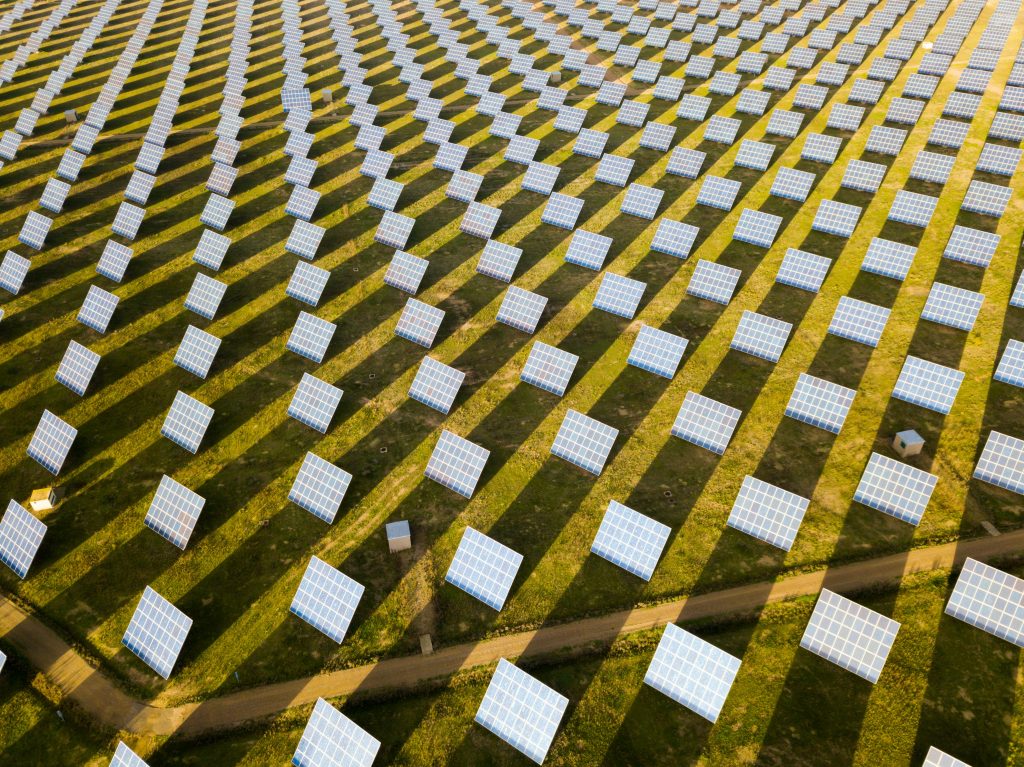
A major British bank has done what regulators, ESG fund managers and net zero evangelists have spent a decade refusing to do: tell the truth about where the real stranded asset risk in the energy sector actually lives. Spoiler — it isn’t in oil and gas.
Barclays dropped a bombshell white paper last week titled Transition Realism: A Stranded Asset Perspective on the Energy Transition, and if you manage any exposure to renewable energy infrastructure, you need to read it. Because the bank’s central argument turns one of the most powerful narratives in modern finance completely on its head.
For years, the stranded asset story was the weapon of choice for climate advocates pushing capital out of fossil fuels. The pitch was simple and seductive: oil, gas and coal reserves are doomed to sit worthless underground as the world races to Net Zero — so get out now before the write-downs arrive. It worked. Trillions of dollars rotated out of hydrocarbons and into wind, solar and green infrastructure on the back of that argument.
Barclays is now asking a question nobody in that trade wanted to hear: what if the stranded assets are the renewables?
“Stranded-asset risk is becoming system wide,” the paper states. “Historically, stranding meant coal plants. Today, renewables facing multi-year interconnection queues, curtailment and congestion risks are increasingly likely to be impaired.”
Read that again. One of the world’s biggest investment banks is warning that wind farms and solar installations — the crown jewels of every ESG portfolio built over the last decade — are beginning to look like liabilities. Not because the technology doesn’t work. Because the infrastructure around them doesn’t.
The problem is brutally simple. A solar farm that can’t connect to the grid generates nothing. A wind installation in a congested transmission corridor gets curtailed — its output switched off because the system can’t absorb it. Across Europe and North America, interconnection queues now run to years, not months. Curtailment rates are climbing. Assets financed on bullish generation revenue forecasts are colliding with the unglamorous reality of electricity infrastructure that was never built to handle the volume of renewable capacity being thrown at it.
For European energy investors already navigating a brutal macro environment, this is not abstract. It is a portfolio problem arriving in real time.
Barclays also dismantles another cherished assumption: that new energy sources replace old ones. History says otherwise, and so does the data. The International Energy Agency has consistently shown that energy transitions are additive — solar and wind stack on top of fossil fuels as total global consumption keeps hitting records, not below them. The Net Zero models that assumed demand destruction would do half the heavy lifting were, to put it generously, optimistic.
Then there is the context that makes this paper land with particular force right now. AI is eating the grid. Data centre electricity demand is exploding at a rate that has rewritten every demand forecast written before 2023. Geopolitical instability has pushed energy security back to the top of every European government’s agenda. Inflation drove up the cost of capital precisely when long-duration renewable infrastructure projects needed it cheap. The stars that were supposed to align for the green transition have not aligned — and the assets built on the assumption that they would are starting to show it.
The ESG investment community has a serious reckoning coming. If the stranded asset narrative was always partly a rhetorical tool to accelerate capital rotation rather than a rigorous analytical framework, the bill for that intellectual shortcuts is now arriving. Institutional investors across the continent are sitting on renewable portfolios whose risk profiles look nothing like the models promised.
None of this means the energy transition is finished or that fossil fuels have won. The direction of travel toward decarbonisation remains intact and the long-term policy architecture supporting it is not about to collapse overnight. But the Barclays paper is a serious, data-driven intervention in a debate that desperately needed one — a demand for the kind of analytical honesty that ideological momentum has too often crowded out.
The stranded assets are already here. They’re just not the ones the climate establishment told you to worry about. They never were.
FAQs
What does the Barclays white paper argue about renewable energy? Barclays contends that stranded asset risk — long associated with fossil fuels — has shifted decisively toward renewables, with wind and solar projects facing grid bottlenecks, curtailment and multi-year connection delays that threaten their economic viability.
Why are renewables suddenly facing stranded asset risk? Inadequate transmission infrastructure, soaring interconnection queue times and rising curtailment rates mean many renewable assets cannot deliver the generation revenues they were financed to produce — exposing a fundamental mismatch between transition ambition and grid reality.
The post How Barclays Just Blew Up the Green Investment Consensus appeared first on European Business & Finance Magazine.