




















‘Hermès Orange’ iPhone Sparks Apple’s $26B China Comeback
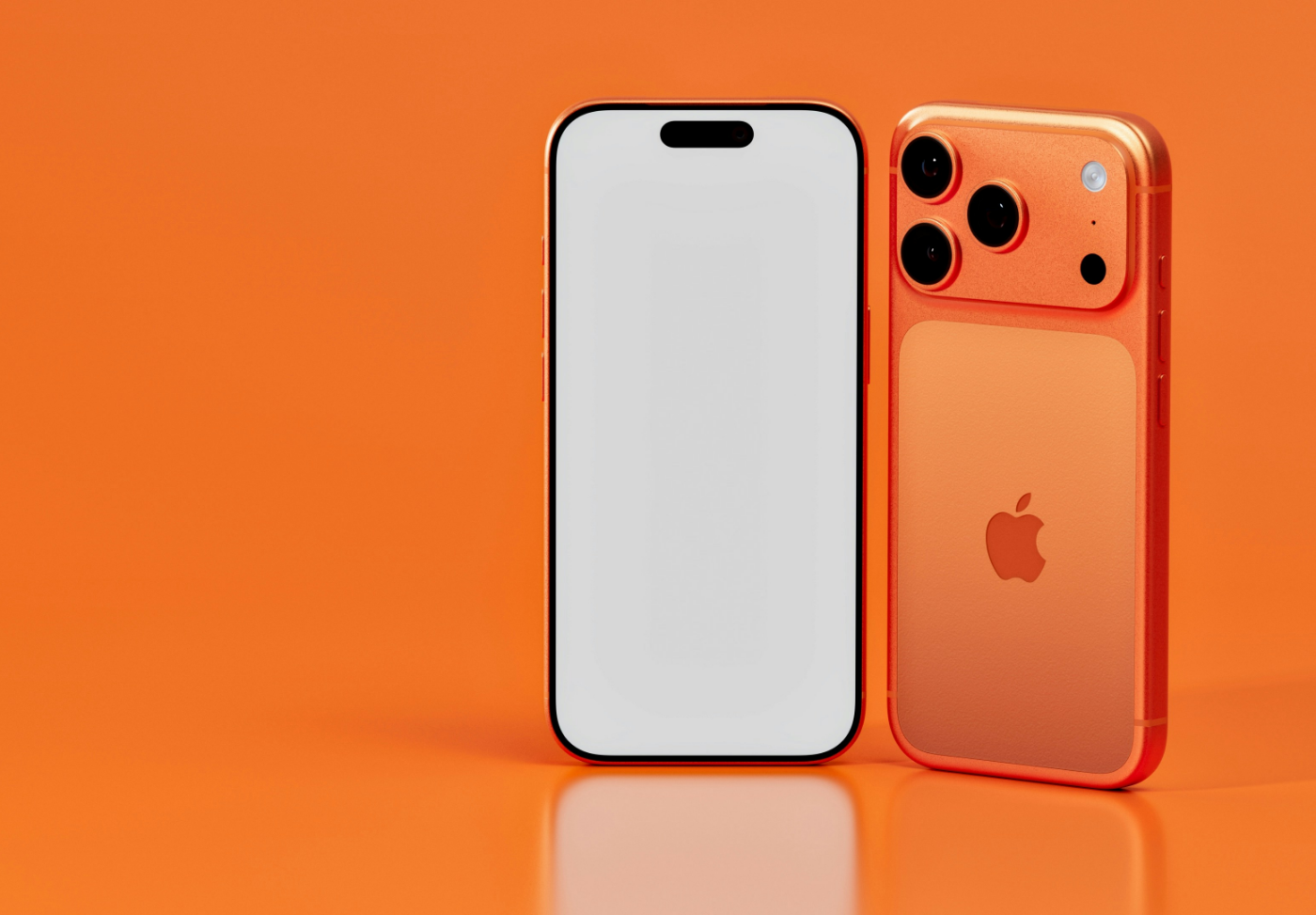
The iPhone 17’s “cosmic orange” went viral on Chinese social media, ending an 18-month sales slump and proving that sometimes the simplest changes are the most powerful.
Q: Why is Apple’s orange iPhone selling so well in China?
A: Apple’s iPhone 17 “cosmic orange” variant has gone viral in China, with consumers dubbing it “Hermès orange” after the luxury handbag brand’s signature colour. The shade resonates culturally because the Mandarin word for orange (chéng) sounds identical to the word for success. Combined with government subsidies and a well-timed upgrade cycle, the colour helped drive a 38 percent surge in Chinese iPhone sales to $26 billion — ending an 18-month decline.
Apple spent years trying to crack the code in China. Huawei was eating into its market share. Xiaomi and Vivo were releasing feature-packed devices at aggressive prices. Government workers were being told to phase out iPhones. Revenue fell for 18 consecutive months.
Then Apple changed the colour of its phone — and everything turned around.
The iPhone 17’s “cosmic orange” variant has become a cultural phenomenon in China, with consumers rechristening it “Hermès orange” after the French luxury house’s signature shade. The comparison was not engineered by Apple’s marketing team. It emerged organically on Douyin, Xiaohongshu and Weibo, where unboxing videos and lifestyle clips featuring the device have been shared by millions.
“I was instantly drawn to the colour because it felt very special,” said one influencer using the stage name Xiao Mei. “Who doesn’t like Hermès orange? The more I look at it, the more I love it.”
The results have been extraordinary. Apple’s China revenue surged 38 percent year-on-year to $26 billion in the fourth quarter of 2025, accounting for nearly one-fifth of the company’s total sales. Tim Cook called it a “great quarter in China” during the recent earnings call — the kind of understated assessment that belies what is arguably the most important turnaround story in the smartphone industry.
The Power of Symbolism
The success of the orange iPhone illustrates something that Western companies often underestimate: the power of cultural symbolism in Chinese consumer behaviour.
In Mandarin, the word for orange (chéng) is phonetically identical to the word for success. Displaying an orange phone becomes a subtle statement of aspiration and achievement — precisely the kind of signalling that drives luxury consumption in China.
“It sounds simple, but it’s the external obvious changes to design, which include the introduction of a shout-out orange colour, that pulled out early upgraders,” said Nabila Popal, senior research director at IDC.
The comparison to Hermès is not accidental either. Apple has long positioned itself as a luxury brand in China, competing less with domestic smartphone makers than with premium fashion houses for share of wallet. The same dynamics that drive European luxury brands like LVMH and Burberry apply to Apple in the Chinese market: brand power, exclusivity and social signalling trump technical specifications.
Chinese consumers are well aware that domestic phones from Huawei and Xiaomi often have superior cameras and more sophisticated AI features. Apple Intelligence is not even available in mainland China. But millions of buyers still chose the iPhone 17 because of what it represents, not what it does.
Strategic Pricing
Apple’s product strategy was only part of the story. The company also made a shrewd pricing decision that ensured maximum accessibility.
Beijing launched a massive electronics subsidy programme in 2025, spending approximately $43 billion to stimulate domestic consumption. Smartphones priced below 6,000 RMB (roughly $860) qualified for discounts of up to 15 percent.
Apple listed the base iPhone 17 at 5,999 RMB — one yuan below the threshold. The move ensured price-sensitive buyers could benefit from government subsidies while still purchasing a premium device.
The timing was fortuitous. Apple’s last peak sales period in China came with the iPhone 13 series three to four years ago. Those users were due for upgrades, creating a natural replacement cycle that Apple captured with a competitively positioned device.
“Apple’s existing users have gradually entered the upgrade cycle this year,” said Arthur Guo, a Beijing-based research manager at IDC.
The combination of viral cultural appeal and practical affordability proved irresistible. Apple captured 20 percent of Chinese smartphone shipments in the December quarter, up 28 percent from the previous year.
The Competitive Lesson
Apple’s resurgence offers a humbling lesson for Chinese competitors.
Despite years of rhetoric about supporting domestic brands, despite impressive folding phones and sophisticated AI capabilities, despite the same nationalist sentiment that has complicated life for Western tech giants, Chinese consumers chose Apple. A colour change and a modest design refresh accomplished what Huawei’s billions in R&D spending could not.
“It’s a good story if you’re Apple. It’s the same old story if you’re not Apple,” said Gerrit Schneemann, a senior analyst at Counterpoint. “I’m not too sure how somebody like Oppo or Vivo or Xiaomi can break that kind of stranglehold.”
The implications extend beyond smartphones. China’s stock market rallied strongly in 2025, and retail investors who profited from the gains appear to have spent some of their winnings on premium goods. LVMH and Burberry have both reported improved Chinese sales in recent quarters, suggesting a broader recovery in luxury consumption.
Apple is riding that wave — and doing so without the AI features that were supposed to be essential for competing in 2026.
What Comes Next
The smartphone industry faces a potentially turbulent year ahead. Memory chip shortages are expected to push component prices up by 40-50 percent in the first quarter, squeezing margins across the sector.
Apple’s premium positioning may insulate it from the worst of the pressure. Consumers paying $800-plus for a phone are less sensitive to $20 increases in component costs than buyers of budget devices.
But the deeper question is whether Apple can sustain its momentum. The same innovation pressures facing tech companies globally apply to Apple. The iPhone Air — the company’s thinnest device ever — has reportedly had a slow start due to a late launch. And competitors will inevitably respond with their own design innovations.
For now, though, Apple has demonstrated something important: in a market obsessed with specifications and features, the most powerful product decision it made was choosing a colour.
The same principle applies across industries. Sometimes the simplest changes are the most transformative. Sometimes success really is just a matter of picking the right shade of orange.
Additional Reading:
- How Europe’s 5 Richest Football Clubs Print Money
- Brussels Declares War on Big Tech — Trump Fires Back
- One AI Tool Just Wiped $1 Trillion Off Software Stocks
- Why Ryan Reynolds’ £2M Wrexham Bet Is Now Worth £100M
- The Dow Just Hit 50,000 for the First Time in History
The post ‘Hermès Orange’ iPhone Sparks Apple’s $26B China Comeback appeared first on European Business & Finance Magazine.