



























Gold’s Tug-of-War: Will War or Rate Hikes Win the Market?

Quick Answer: Gold is trading in a narrow range as two powerful forces pull against each other. Escalating Middle East tensions and safe-haven demand are pushing the price up, while rising energy-driven inflation — and the prospect of delayed rate cuts or further tightening — is pushing it down. Central banks remain net buyers. The result is a market in genuine equilibrium, waiting for one of those forces to break decisively in either direction.
EBM Analysis: What the Gold Price Is Really Telling You Right Now
When gold trades flat, it is rarely because nothing is happening. More often it means too much is happening — and the signals are contradictory. That is precisely where the gold market sits in April 2026, suspended between a geopolitical crisis that should be sending it sharply higher and a monetary policy backdrop that is actively working against it.
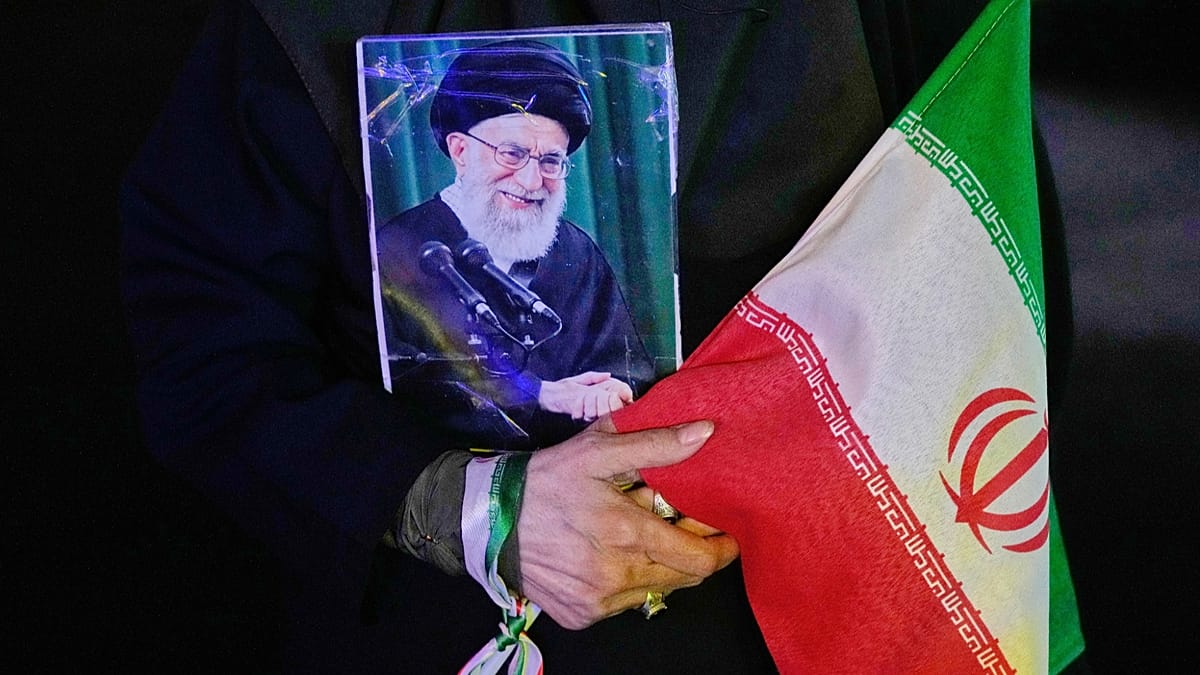
The tension is real and the arithmetic is straightforward. Trump’s final ultimatum to Iran — threatening to destroy every power plant in the country if the Strait of Hormuz is not reopened by Tuesday evening — has heightened rather than resolved the uncertainty that drives safe-haven demand. Gold historically performs well in exactly this kind of environment: prolonged geopolitical risk, unclear resolution timeline, credible threat of significant escalation. The Eastern European conflict, which continues to simmer beneath the Iran headlines, adds a second layer of structural safe-haven demand that is not going away regardless of how the Middle East situation resolves.
But the Iran war has also done something that works directly against gold. By driving oil prices up more than 60% since February 28, it has reignited inflation across every major economy — and the European and global growth outlook is now being shaped by energy costs that central banks cannot ignore. Rising inflation means delayed rate cuts. In some scenarios it means further tightening. Higher bond yields make gold — which pays no yield — comparatively less attractive. Institutional money that might otherwise be rotating into gold is instead being pulled toward fixed income assets offering real returns for the first time in years.
The result is a genuine standoff. Safe-haven demand versus yield competition. Geopolitical fear versus monetary discipline. Neither force is dominant enough to break the range.
What resolves it? The most likely catalyst is Tuesday’s Iran deadline. If Trump follows through with strikes on Iranian power plants and the conflict escalates materially, gold’s safe-haven bid overwhelms the rate pressure and prices move sharply higher. If a ceasefire emerges — or if Trump extends the deadline again, as he has done twice already — the geopolitical premium deflates and gold faces the full headwind of a higher-for-longer rate environment.
The structural underpinning beneath both scenarios is the continued accumulation by central banks who have been quietly repositioning away from US Treasuries and toward gold as a reserve asset. That trend — which saw gold overtake US Treasuries in central bank reserves for the first time since 1996 — has not reversed. Isolated selling episodes have not changed the directional flow. Central banks are buying gold because they are reducing their exposure to dollar-denominated assets, and that structural demand provides a floor that short-term rate expectations cannot easily break through.
The market is not confused. It is accurately pricing a genuine uncertainty — one where the downside scenario and the upside scenario are both credible and both imminent. Gold trading flat in this environment is not a sign of indifference. It is a sign that the next move will be significant, and that nobody yet knows which direction it goes.
Tuesday evening will likely provide the answer.
Related Analysis
- The World’s Central Banks Have Quietly Stopped Trusting America’s Debt
- The Global Oil Market Looks Calm — But a Much Bigger Shock May Be Building
- Trump’s Final Ultimatum to Iran — What Happens Next
The post Gold’s Tug-of-War: Will War or Rate Hikes Win the Market? appeared first on European Business & Finance Magazine.