



























Gold Trapped Between the Fed, Iran and Ukraine — Something Has to Break


Softer US inflation data, diplomatic talks on two fronts and a wall of macro releases this week are keeping gold locked in a tense consolidation range
Gold slipped today after last week’s gains, yet the metal continues to trade within a broader consolidation range that has defined price action for several sessions. The pullback appears technical rather than structural, with the fundamental backdrop remaining broadly supportive for precious metals even as short-term headwinds keep buyers cautious. Gold surged to record highs in late 2025 on the back of rate-cut expectations and geopolitical stress, and the structural case has not materially changed.
The most significant development for gold last week was Friday’s softer-than-expected US CPI print, which reinforced expectations that the Federal Reserve may have room to ease monetary policy sooner than markets had been pricing. Lower inflation readings reduce the opportunity cost of holding non-yielding assets like gold, and historically these data points have provided a floor for prices during periods of consolidation. As we explored in our gold outlook earlier this year, the interplay between Fed policy and geopolitical risk has been the dominant driver of gold’s trajectory throughout this cycle. The question now is whether that softer inflation reading represents a trend or a one-off — and the answer will likely come from the data releases scheduled for this week.
Attention shifts to the FOMC minutes, due on Wednesday, which will offer the most detailed insight yet into how policymakers are weighing the balance between persistent inflation and slowing growth. Later in the week, US GDP and PCE data — the Fed’s preferred inflation gauge — will provide further clarity on the trajectory of monetary policy. A dovish tone in the minutes or a continued softening in price pressures could reignite gold’s rally. A hawkish surprise would likely extend the current consolidation or push prices toward the lower end of the range — a pattern already visible earlier this year when mixed Fed commentary kept the metal range-bound for weeks.
Geopolitical developments are adding a further layer of complexity. Scheduled talks between the United States and Iran have raised cautious optimism that diplomatic channels remain open on one of the most sensitive fronts in global security. Any tangible de-escalation could redirect capital flows toward risk assets and temper the safe-haven demand that has supported gold through much of the past year. However, markets have learned to price diplomacy sceptically — as demonstrated when gold suffered its sharpest single-day fall since 2020 on easing geopolitical fears and a resurgent dollar — until concrete agreements materialise, geopolitical risk premiums tend to persist rather than evaporate on headlines alone.
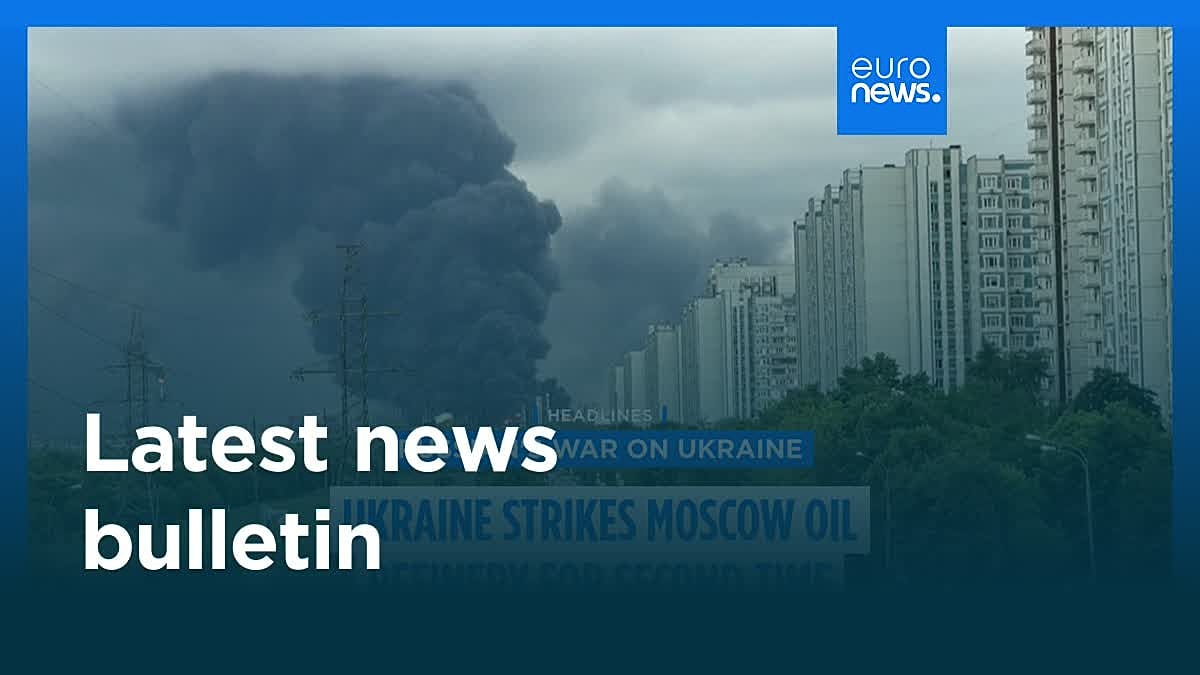
A similar dynamic is playing out with the anticipated talks between Russia and Ukraine. The prospect of negotiations has created tentative hopes of progress, but hostilities continue and neither side has signalled the kind of concessions that would constitute a genuine breakthrough. Without clear movement toward a ceasefire or settlement, the war premium embedded in gold prices is unlikely to dissipate. If anything, the gap between diplomatic rhetoric and battlefield reality could sustain demand for precious metals as a hedge against prolonged uncertainty.
Structurally, the case for gold remains intact. Central bank purchasing has been resilient throughout the current cycle, with reserve managers across emerging markets continuing to diversify away from dollar-denominated assets. That consistent bid — which has also underpinned the structural case for silver — has provided a floor for prices even during periods of dollar strength and higher real yields.
For now, gold sits at a crossroads. The macro data this week will determine whether the consolidation resolves higher — toward new record territory — or extends into a deeper retracement. The metal’s direction from here depends less on gold itself and more on what the Fed signals, what the inflation data confirms, and whether diplomacy delivers substance rather than headlines.
The post Gold Trapped Between the Fed, Iran and Ukraine — Something Has to Break appeared first on European Business & Finance Magazine.