
























Global Shipping Climate Talks Collapse After US and Saudi Opposition
EBM Newsdesk Analysis
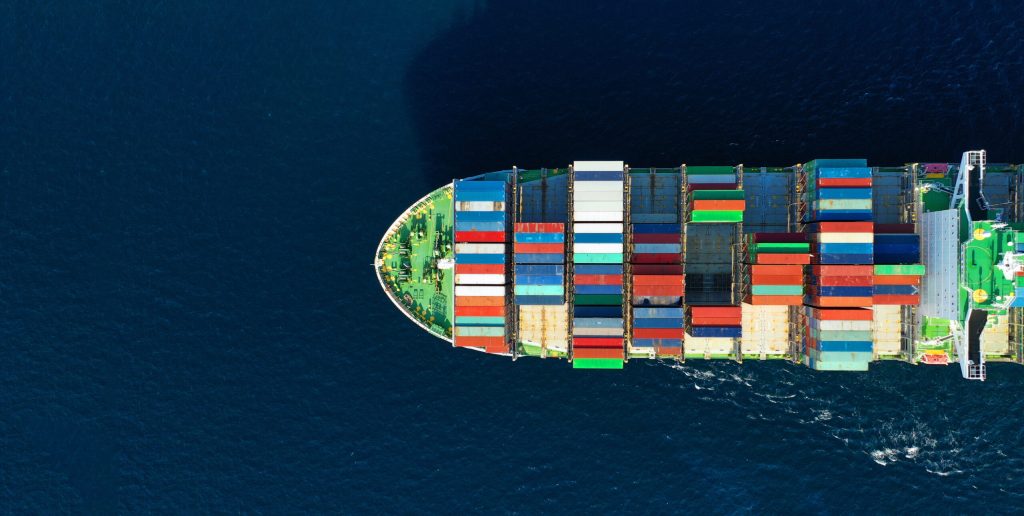
London, 26 April 2026 — Negotiators at the International Maritime Organization in London are bracing for what one source told the Financial Times is shaping up as a “real fight” when talks resume Monday on a UN-backed net zero framework for global shipping. The deal, provisionally agreed in April 2025, would impose a carbon price on emissions from ships over 5,000 tons — a category that covers the overwhelming majority of the container vessels, tankers, and bulk carriers that move global trade. Once operational from 2030, it was projected to raise up to $15 billion a year in revenues, with proceeds directed at accelerating the industry’s transition to greener fuels. China and the European Union are backing it. The United States and Saudi Arabia are blocking it. The fight is shaping the next decade of global shipping economics, and Europe stands to lose more from a collapsed deal than any other bloc.
The October 2025 accusations against the US negotiating team — described in diplomatic circles as “bully-boy tactics” used to sink the framework — set the tone for this week’s resumed talks. Both Washington and Riyadh have argued explicitly against any restrictions on traditional shipping fuels. The position dovetails with broader US trade policy under the second Trump administration and with Saudi Arabia’s structural interest in maintaining bunker fuel demand from the global fleet.
Why This Matters for European Shipping
The European shipping sector — anchored by Maersk (Denmark), CMA CGM (France), Hapag-Lloyd (Germany), and MSC (Switzerland-domiciled) — has spent the past three years building strategic plans on the assumption that a global carbon price on shipping was coming. Capital expenditure decisions on dual-fuel methanol vessels, ammonia-capable ships, biofuel supply contracts, and onshore power infrastructure have been calibrated against an expected 2030 framework date.
If the IMO talks collapse this week, European shipping companies face a worse outcome than no deal at all. They face a regulatory asymmetry: European operators will continue to be bound by the EU’s existing emissions trading scheme extension to maritime transport, which has been phased in since 2024, while US and Saudi-flagged competitors operate without equivalent costs. The competitive distortion compounds with each year that passes. European shipping companies will be the only major fleet paying for emissions, on a route network that competes directly with carriers operating under no equivalent regime.
The Trade Architecture at Stake
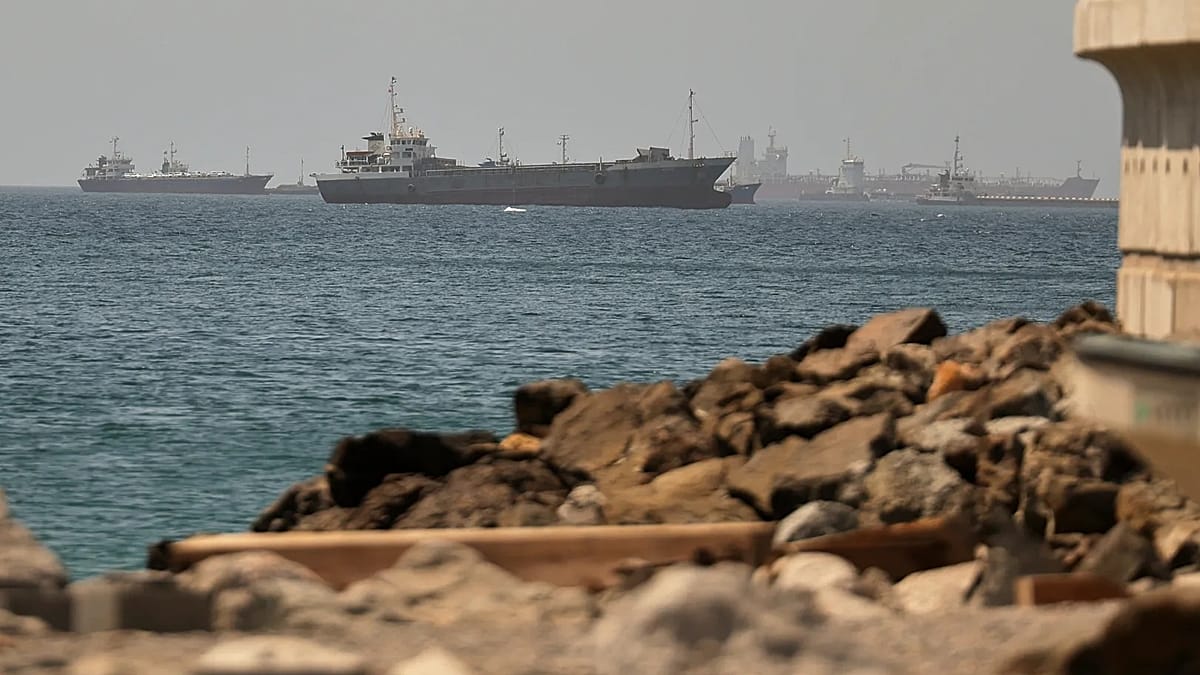
The shipping industry delivers approximately 80% of global trade by volume and contributes an estimated 3% of global carbon emissions. A carbon price at the level proposed would have raised the cost of shipping by single-digit percentage points — significant for low-margin commodity trade but not catastrophic across the broader trade architecture. The political resistance from Washington and Riyadh is therefore less about cost than about precedent: a successful UN-administered carbon-pricing mechanism on shipping would establish the model that aviation and other internationally regulated sectors would inevitably follow.
For European policy-makers, the fallback is uncomfortable. The EU could expand its existing maritime ETS unilaterally, applying it to all vessels calling at European ports regardless of flag. That would partially equalise the cost asymmetry but at the price of substantial diplomatic friction with both Washington and Beijing — and with the practical consequence of incentivising the largest container lines to restructure routing and bunkering patterns to minimise European port calls.
The European Read
The honest framing for European shipping executives, port operators, and supply chain officers reading this on Monday morning is straightforward. A collapsed IMO framework is the worst commercial outcome. It locks European operators into asymmetric regulatory cost without the offsetting benefit of a level global playing field. It strands the capital that European shipping has already committed to greener fleet renewal. And it transfers competitive advantage to US and Asian operators willing to continue burning conventional fuels.
The talks this week will not produce a final answer. But the direction of travel by the end of the week will determine whether European maritime capital expenditure plans for 2026-2030 still make commercial sense, or whether the entire investment thesis needs rebuilding around a regulatory environment that is now meaningfully harder than expected.
Related Analysis
- The EU maritime ETS rollout and what it means for European port competitiveness
- Why European industrials are bearing more of the climate transition cost than US peers
- Trump tariff regime: how Washington is using trade policy as climate leverage
The post Global Shipping Climate Talks Collapse After US and Saudi Opposition appeared first on European Business Magazine.