




























Global Risks Report 2026: Geopolitical and Economic Risks Rise in New Age of Competition
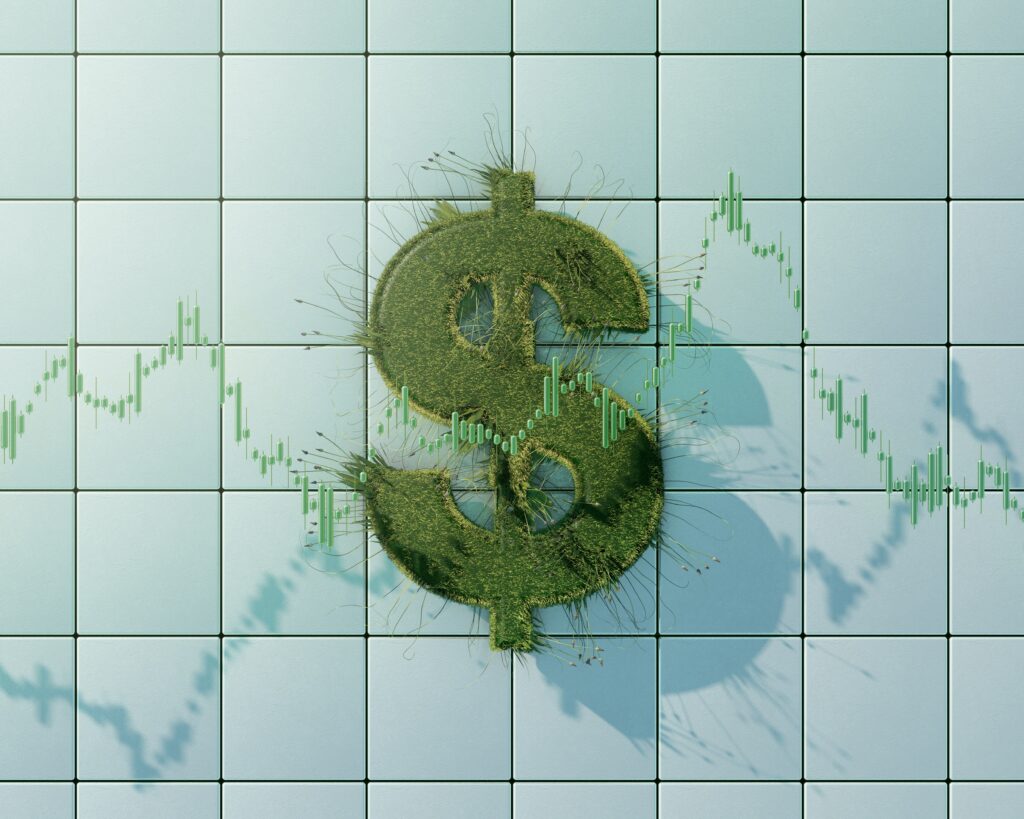
The World Economic Forum’s Global Risks Report 2026 has delivered one of its starkest warnings yet, with geoeconomic confrontation identified as the single greatest threat to global stability this year, ahead of interstate conflict, extreme weather and the accelerating spread of misinformation.
The findings reinforce how deeply global markets have become exposed to political rivalry, supply-chain disruption and economic coercion — trends that have already driven volatility across global markets and pushed investors towards safe-haven assets such as gold and defence stocks.
Half of the 1,300 global leaders and experts surveyed expect the world to be either turbulent or stormy over the next two years, while nearly 60% believe the outlook will remain unstable for at least the next decade — a dramatic escalation in pessimism since last year.
“A new competitive order is taking shape as major powers seek to secure their spheres of interest,” said WEF president Børge Brende. “This shifting landscape reflects a pragmatic reality: collaboration remains essential, but it now exists alongside strategic rivalry.”
Weaponised trade and technology
Geoeconomic confrontation now ranks as the most severe near-term risk, closely followed by state-based armed conflict. Export controls, tariffs, sanctions and financial restrictions are increasingly being used to project power, reshaping everything from global trade flows to the AI infrastructure boom now under way across Europe, the United States and Asia.
These tensions are particularly visible in the technology war between Washington and Beijing, where restrictions on advanced semiconductors and data-centre hardware have turned supply chains into geopolitical fault lines.
China’s dominance in rare-earth minerals — essential for chipmaking, electric vehicles and defence systems — has become a central point of leverage in this competition, reinforcing the strategic importance of resource security in the digital age.
Economic fragility returns
The WEF report also highlights growing vulnerability in the global economy. Risks tied to economic downturns, inflation and asset bubbles have climbed sharply, reflecting the pressure created by high debt levels and unstable growth.
These stresses are feeding directly into financial markets, where investors are increasingly pricing in geopolitical risk alongside interest-rate and earnings expectations.
For Europe, this shift is especially significant as governments boost defence spending, attempt to rebuild industrial capacity and navigate an increasingly fragmented global economy.
Technology and social cohesion under strain
Misinformation and disinformation now rank among the top risks over the next two years, while cyber insecurity continues to climb. The risks associated with artificial intelligence have surged even faster, with concerns about labour disruption, surveillance and security rising sharply over the next decade.
At the same time, societal polarisation — driven by inequality, cost-of-living pressures and uneven economic growth — is becoming more deeply entwined with political and economic instability, creating a dangerous feedback loop.
Environmental risks remain a looming threat
While geopolitical crises dominate today’s agenda, environmental risks remain the most severe long-term danger. Extreme weather, biodiversity loss and irreversible changes to Earth’s systems continue to threaten global stability, even as governments struggle to maintain focus amid competing priorities.
A world defined by competition
Taken together, the Global Risks Report suggests the world is entering a new era in which economic power, technology and geopolitics are inseparable. Nearly 70% of respondents now expect a fragmented or multipolar global order — a shift that will continue to reshape investment, trade and corporate strategy for years to come.
For investors and businesses alike, resilience and diversification are rapidly becoming as important as growth.
The post Global Risks Report 2026: Geopolitical and Economic Risks Rise in New Age of Competition appeared first on European Business & Finance Magazine.