
















Germany’s Ukraine Plan Is About the Budget, Not the Battlefield
EBM Newsdesk Analysis
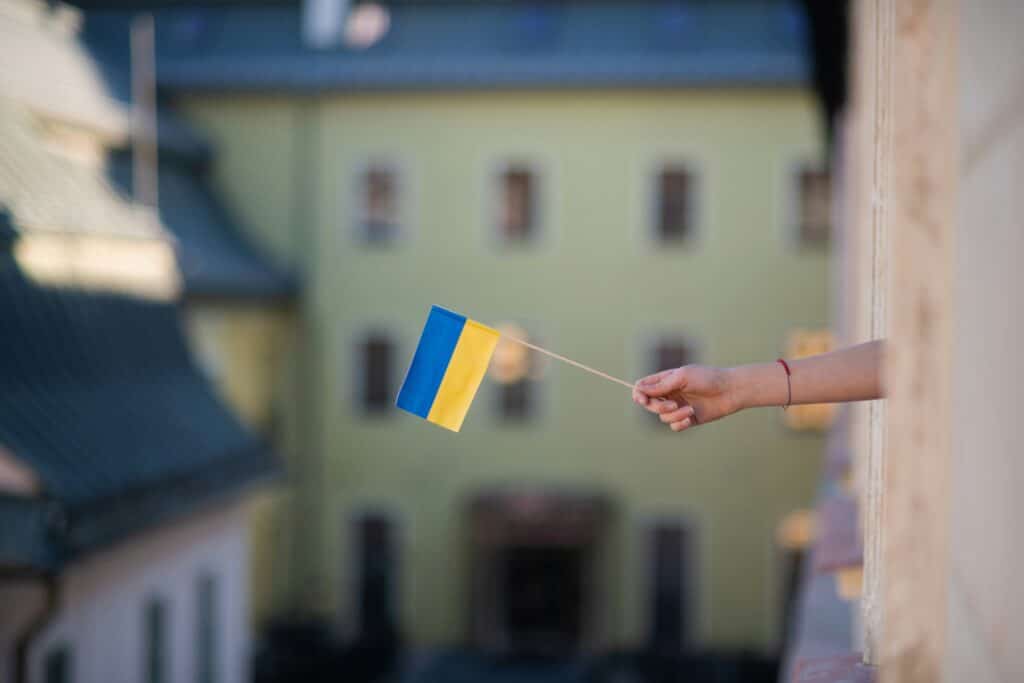
On 21 May 2026, a letter from Chancellor Friedrich Merz to the EU’s top officials proposed something no treaty currently allows: “associate membership” for Ukraine — and a parallel European push to open talks with Vladimir Putin. The plan would seat Ukraine in Brussels institutions without a vote, hand it single-market access, and offer a security guarantee — while quietly withholding the EU funds full membership unlocks. Merz insists it is “not membership light.” The structure says otherwise, and for European business the structure is the whole story.
The timing is commercial as much as political. US-led peace talks have stalled while Washington’s attention turns to the Iran war, and Europe is debating whether to negotiate with Moscow itself. Behind the diplomacy sits a balance sheet. Full Ukrainian membership would force a brutal redistribution of the EU budget; associate status keeps Ukraine inside the market but outside the cash. That trade-off will shape where reconstruction money flows, which firms win contracts, and how exposed Europe’s farmers and taxpayers become.
What “associate membership” actually means
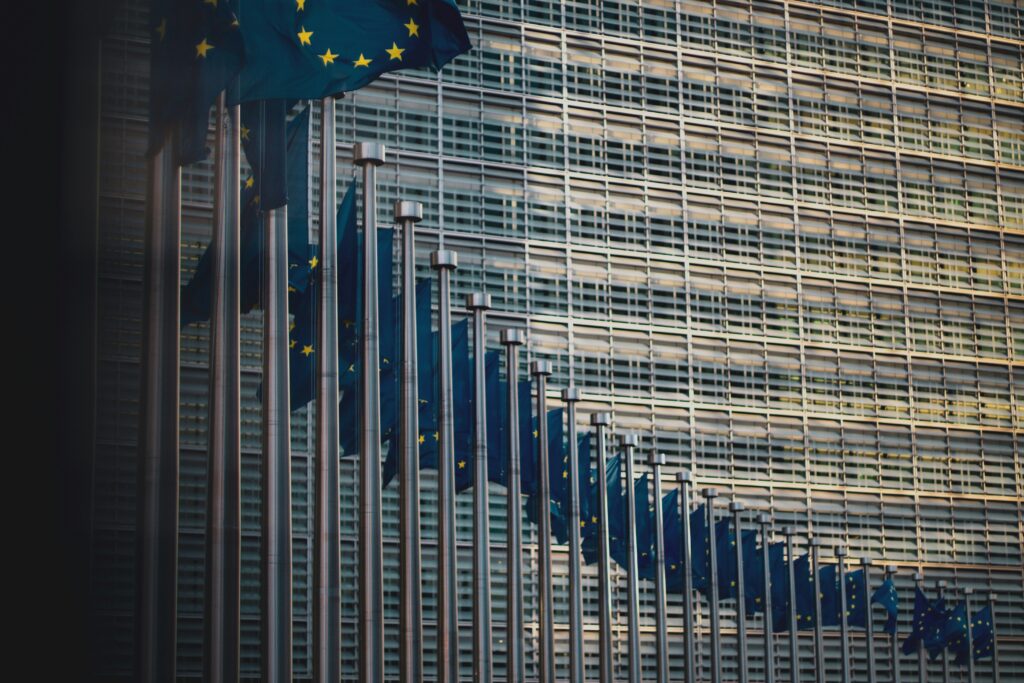
Merz’s proposal would give Ukraine a seat at the European Council, the European Commission and the European Parliament — but without voting rights and without a dedicated portfolio. Kyiv could join certain EU-funded programmes on a step-by-step basis. It would go further than the current Association Agreement, but stop well short of full accession.
The most consequential clause is a security one. Under Article 42.7 of the EU treaties — a little-used mutual-assistance provision Brussels is now trying to flesh out — Ukraine could request help from member states in the event of a fresh Russian attack. The aid could be military, economic, medical or diplomatic. It has been compared to NATO’s Article 5, though the wording is weaker and the obligation looser. For defence contractors and the governments that fund them, the distinction is not academic: a firmer guarantee pulls Ukraine into Europe’s procurement orbit and shapes a decade of arms spending.
Why the money is the real issue
The reason Germany favours “associate” over “full” comes down to the EU budget. About two-thirds of that budget goes on farm subsidies and regional development. Ukraine would enter as the bloc’s least-developed member, with an enormous agricultural sector and vast reconstruction needs. Full membership would trigger a massive reallocation of funds — away from existing recipients like Poland, Spain and France, and towards Kyiv.
Associate status sidesteps that fight. Without full membership, Ukraine cannot draw on the general EU budget. It gets the market, not the money. For net contributors like Germany, that is the point: integration without the fiscal shock. For Ukraine, it is a compromise President Zelensky has resisted, having argued his country needs real membership, not a symbolic version. The gap between those positions — Berlin offering structure, Kyiv demanding substance — is where the negotiation will live.
What it opens for business
Even the halfway version matters commercially. Single-market access — already extended in part through Ukraine’s entry to EU programmes like the Enterprise Europe Network — lets Ukrainian firms trade and raise capital on European terms, and lets EU companies operate in Ukraine with fewer barriers. The prize on the horizon is reconstruction, a multi-year programme estimated to exceed half a trillion euros, a figure that climbs with every month the war continues.
European firms are already circling. The Commission’s call for companies to invest in Ukraine’s rebuild drew applications from across more than 20 member states. Associate membership would give that process a clearer legal frame: predictable rules, dispute mechanisms, and the political signal that Ukraine is anchored to the West. For construction, energy, defence and agriculture firms, that anchoring lowers the risk of writing large cheques in a country still at war. The companies that establish a presence early — securing supply relationships, local partners and regulatory familiarity — will hold a structural advantage when the contracts scale.
There is a catch European producers know well. Ukraine’s farm sector is so large and low-cost that tariff-free access has already rattled growers in Poland and France, who forced temporary curbs on Ukrainian grain imports during the war. Associate membership would lock in market access without giving Ukraine the subsidies that cushion EU farmers — meaning the competition arrives before the safety net does. Expect agriculture to be the hardest-fought chapter of any deal. The same logic applies to steel and heavy industry, where Ukrainian capacity could undercut higher-cost European producers the moment barriers fall.
The Russia track and its hazards
The second half of Merz’s letter — reviving talks with Moscow — carries its own commercial weight. A negotiated settlement, however distant, is the precondition for serious private investment; capital will not flow at scale into an active war zone. But the process is fraught. Putin has floated former chancellor Gerhard Schröder, whose deep ties to Russian energy wrecked his standing at home, as an interlocutor. EU foreign policy chief Kaja Kallas dismissed the idea of letting Moscow pick its own negotiator, especially a “high-level lobbyist” for Russian state firms.
That tension — between wanting a deal and refusing to legitimise Russian energy interests — will define any European track. The outcome determines whether sanctions ease, whether Russian gas ever returns to European markets, and on what terms. Europe has spent four years and enormous sums rewiring its energy supply away from Russia. Any settlement that reopens the Russian tap would collide with those commitments, and with the firms that financed the pivot. For energy markets, the prospect of a thaw is as much a risk as an opportunity.
Sequencing is the signal
For investors and corporates, the practical signal is sequencing. Associate status would come years before full membership, which means the commercial benefits — market access, legal certainty, reconstruction frameworks — arrive long before the fiscal transfers that worry net contributors. That ordering is deliberate. It lets European capital engage with Ukraine on favourable terms while the politically toxic budget question is deferred. The risk is that “temporary” associate status hardens into a permanent waiting room, leaving Ukraine integrated enough to compete but never quite enough to claim full support.
Merz is careful to say his plan will not derail other candidates. Moldova, Albania and the Western Balkans, he writes, should also get “privileged access” to the single market and closer ties to Brussels. A separate proposal from Austria, Italy, Slovakia, Slovenia and the Czech Republic pushes sectoral integration for all candidates at once. The direction is unmistakable: Europe is building a halfway house for everyone at the door, not just Kyiv.
The convergence is no accident: it lands just as Hungary’s Viktor Orbán, the loudest opponent of Ukrainian accession, leaves office. The window for a deal is opening. What emerges will tell European business how much risk, and how much cost, the bloc is willing to absorb to pull Ukraine into its economic orbit — and whether “associate” proves a bridge to membership or a substitute for it.
Related Analysis
- The real cost of EU enlargement, in numbers
- Who wins the contracts in Ukraine’s rebuild
- Why Russian gas won’t simply flow back
The post Germany’s Ukraine Plan Is About the Budget, Not the Battlefield appeared first on European Business Magazine.