























Stellantis Just Opened Europe’s Back Door to China
EBM Newsdesk Analysis
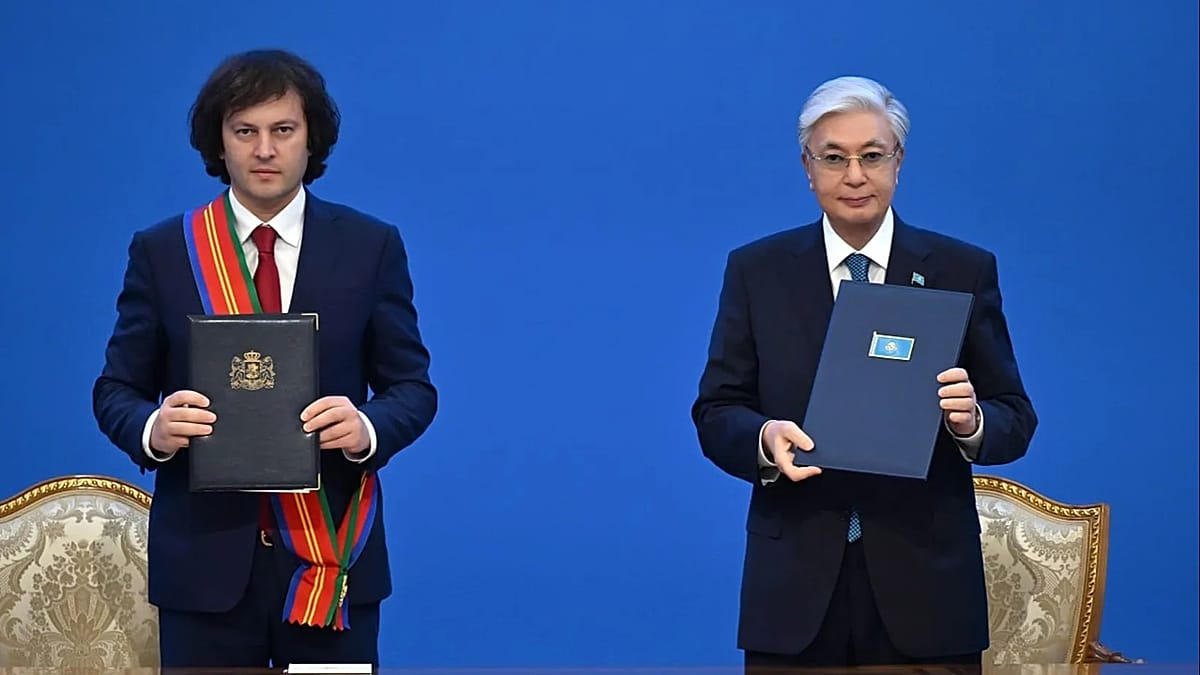
On 20 May 2026, Stellantis and China’s Dongfeng signed a memorandum to build a European joint venture — and quietly handed Beijing a route around the EU’s own tariff wall. The plan puts Chinese Voyah electric vehicles into European showrooms through Stellantis’s network, and may build them at an idle French factory in Rennes. Stellantis CEO Antonio Filosa called it a new dimension of partnership. The more interesting question is what it tells European carmakers about how to survive the Chinese EV wave: if you cannot beat them, host them.
This is the contradiction at the centre of Europe’s auto policy. Brussels raised tariffs to keep cheap Chinese EVs out, then created tax breaks to push small electric cars in. Stellantis has found the gap between the two. By taking majority control and localising production, it satisfies “Made-in-Europe” rules while selling exactly the Chinese technology those tariffs were meant to slow. Every rival from Volkswagen to Renault will now study whether to copy it.
What the two sides agreed
The deal is a non-binding memorandum, not a signed contract. The partners plan a Europe-based joint venture, led by Stellantis, with the ownership split 51% to Stellantis and 49% to Dongfeng. The first job is selling and distributing Dongfeng’s premium Voyah-branded electric vehicles in selected European markets, using Stellantis’s existing dealer and after-sales network.
It goes further than sales. The venture would also handle joint purchasing and engineering, giving Stellantis access to Dongfeng’s low-cost Chinese supply chain. And the partners want to build Dongfeng electric models at Stellantis’s Rennes plant in France, which has run far below capacity for years and currently makes only one high-end Citroën SUV.
Why Stellantis needs this
Stellantis is the world’s fourth-largest carmaker and it is struggling in its home region. European sales and profits have weakened, and the shift to electric has stalled. Filosa, relatively new in the top job, is rebuilding through partnerships rather than going it alone.
The logic is straightforward. Chinese manufacturers make electric cars more cheaply than European firms can. Rather than lose customers to them, Stellantis is bringing one inside the tent — taking a margin on Chinese cars sold under a controlled structure, while filling spare capacity at a French plant. It is the same move the company is making with Leapmotor in Spain, where two factories will build Chinese-designed models.
The tariff workaround
The strategic prize is the Rennes production plan. The EU has imposed tariffs on Chinese-built electric vehicles to protect its own industry. A car assembled in France, by contrast, counts as European. By localising Voyah production, the joint venture can sell Chinese-engineered EVs without the tariff penalty that would hit the same cars shipped from China.
Brussels has, at the same time, created a new tax-friendly category for small electric cars and set a target for 90% of cars sold in the bloc to be electric by 2035. The policy wants more affordable EVs on European roads. Stellantis is meeting that demand with Chinese product, made locally. Whether regulators see that as compliance or circumvention will shape the next wave of deals.
A 34-year relationship, deepening fast
Stellantis and Dongfeng have worked together for 34 years through their Chinese venture, Dongfeng Peugeot Citroën. That partnership is also expanding: earlier in May the two agreed to build Peugeot and Jeep electric models at a plant in Wuhan for China and export from 2027.
The European venture still needs final agreements, customary approvals and — crucially — regulatory clearance. But the direction is set. A Western carmaker and a Chinese state-owned group are knitting their operations together on both continents, and the European factory floor is now part of the deal.
Related Analysis
- How Chinese EV makers are conquering Europe
- Inside Stellantis’s Leapmotor gamble
- The EU’s tariff wall is already leaking
The post Stellantis Just Opened Europe’s Back Door to China appeared first on European Business Magazine.