


























FTSE 100 Rebounds as Iraq Secures Ceyhan Oil Route and Rate Signals Lift Markets

Quick Answer: The FTSE 100 is recovering tentative ground in early trade as a deal between Iraq and Kurdistan to resume oil exports via Turkey’s Ceyhan port eases the most acute fears of a prolonged global oil shock. Airlines, housebuilders and travel stocks are leading the rally, but gains remain modest against the scale of losses sustained over the past week as the Middle East conflict enters its 18th day with no resolution in sight.
H1: Markets Are Daring to Hope Again — But the Iran War Is Far From Over
There is cautious movement back into equities this morning, with the FTSE 100 attempting to recover some of the ground lost since the outbreak of war with Iran. Wall Street futures are pointing higher. The mood has shifted — fractionally — and there are specific reasons for it.
The most significant development is the deal reached between Iraq and the Kurdistan Regional Government to resume oil exports through the Kirkuk-Ceyhan pipeline to Turkey’s Mediterranean coast, bypassing the Strait of Hormuz entirely. Oil flow from Ceyhan began this morning at around 250,000 barrels per day — with the potential to add a further 200,000 bpd from Kurdistan fields in the coming days. Brent crude eased over 1% following the announcement, falling back toward $102 a barrel.
The deal matters because it demonstrates that alternative supply routes can be activated while Hormuz remains contested — reducing the binary nature of the energy shock that has dominated market thinking since late February. Iran has also continued to allow tankers destined for China, India and Pakistan to use the strait, which provides a further partial pressure release on global crude availability.
Travel and Housing Stocks Lead the Rebound
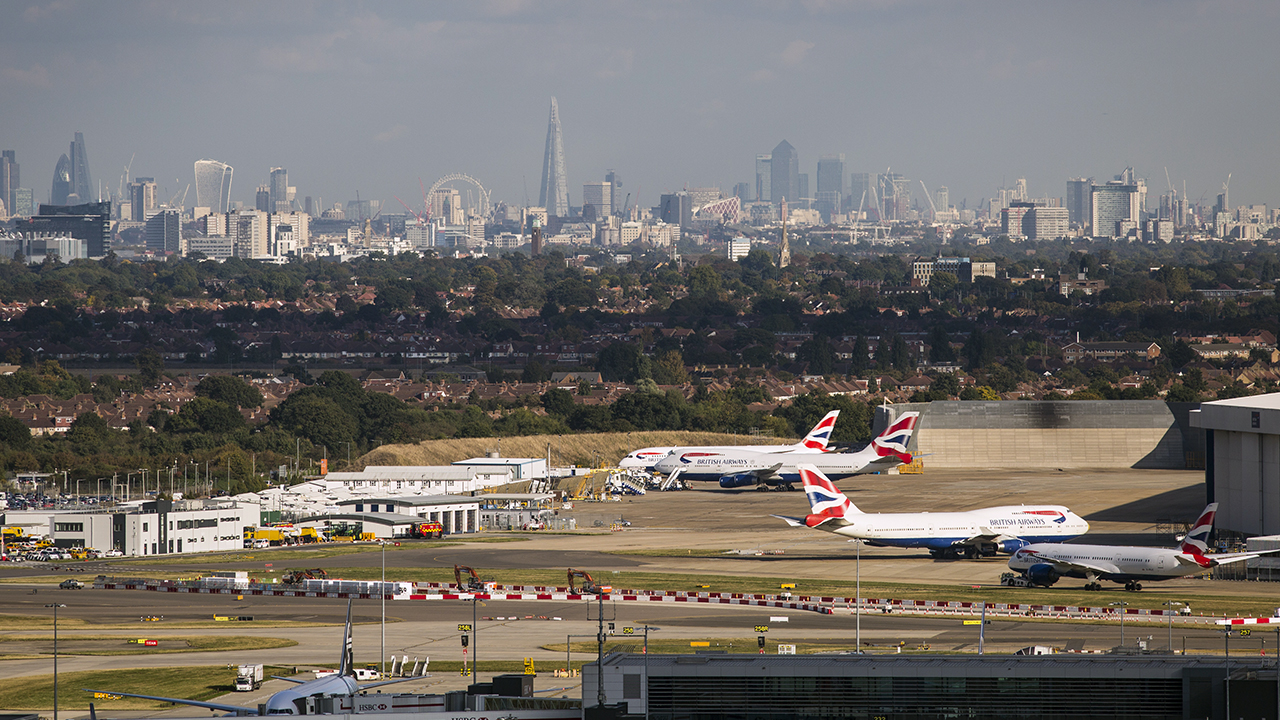
The sectors hardest hit by the conflict are leading today’s tentative recovery. Airlines are among the top performers on the FTSE, with EasyJet and IAG — owner of British Airways — gaining ground as the prospect of sustained Gulf aviation disruption recedes marginally. Rolls-Royce, which services engines for long-haul flights and earns revenue based on hours flown, is also advancing. The logic is straightforward: any reduction in the oil shock thesis is a direct tailwind for aviation economics.
Housebuilders are also moving higher, driven by shifting expectations around central bank policy and mortgage rates. Lenders had pushed mortgage rates higher in response to the conflict-induced inflation spike — but sentiment is beginning to turn on whether central banks will be as hawkish as feared. If inflationary pressures from the oil shock prove more temporary than markets initially priced, the case for suspending rate cuts weakens. That prospect is feeding through into housebuilder valuations this morning.
These remain small moves, however, in the context of the losses sustained over the past week. Markets are not pricing in resolution — they are pricing in reduced worst-case probability.
European Solidarity and the NATO Fault Line
The political backdrop is shifting as well, though not uniformly in Washington’s favour. European solidarity around Ukraine-style burden-sharing is growing: Ireland’s Taoiseach publicly supported Keir Starmer at his meeting with President Trump, signalling a unified European front on the question of whether the conflict carries an international mandate.
Norway’s Prime Minister, speaking at a shipping event in Oslo, was characteristically direct about why Norwegian forces cannot join US operations in the Strait of Hormuz — they are needed in northern waters to counter threats closer to home, and lack the specialist capability for Hormuz-style operations. He pointed to deeper defence procurement relationships with the UK and Germany as the model for building a credible European pillar within NATO — and acknowledged that European defence budgets will need to grow considerably further to make that pillar structurally robust.
The wall of resistance from allies — Japan, UK, France, Australia and now Norway all declining to send warships — is paradoxically generating diplomatic momentum toward a faster resolution. A US administration facing both a domestic gasoline price crisis and an absence of international coalition support has stronger incentives to push for a negotiated off-ramp than its current messaging suggests.
What the Market Still Cannot Price
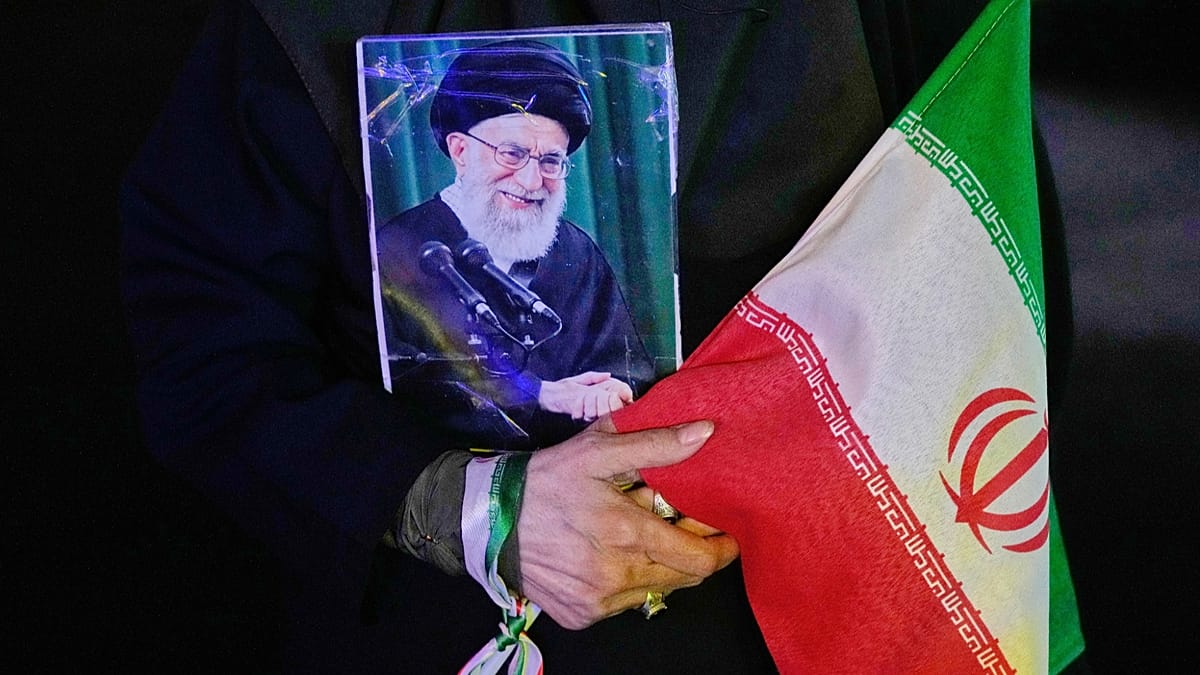
The fundamental difficulty remains unchanged. Iran’s regime is assessed by US intelligence as likely to remain in place, weakened but more hardline, with the IRGC tightening its grip. Air power has degraded Iran’s military capacity substantially — but has not broken its will to fight. Iranian forces continue to strike US allies across the Gulf, targeting energy infrastructure, airports and data centres in a deliberate strategy of economic attrition.
The difficult conclusion, acknowledged privately across European foreign policy and energy circles, is that securing safe passage through Hormuz ultimately requires something beyond air strikes. Ground operations along the strait’s coastline are the logical endpoint of a campaign that has already exhausted most other options — and that prospect carries consequences for markets, for NATO cohesion, and for the European economies already absorbing an energy shock they did not anticipate.
Today’s rally is real. The underlying situation that generated the losses is not resolved.
The post FTSE 100 Rebounds as Iraq Secures Ceyhan Oil Route and Rate Signals Lift Markets appeared first on European Business & Finance Magazine.