






























FTSE 100 Hits Record High as Trump Threatens Tariffs on Iran Trade
”More onerous trade restrictions are for now the weapon of choice of the US administration, to put pressure on Iran’s regime, but options for military action are still being weighed up. With threat of a fresh geopolitical crisis in the Middle East having immediately receded, investors sentiment has lifted, helping push main global indices to fresh records. The shadow of potential conflict that hung over markets last week has dissipated considerably, allowing traders to refocus on fundamental economic indicators rather than geopolitical brinkmanship. This reprieve, however temporary it may prove, has provided breathing room for equity markets to consolidate recent gains and reassess valuation metrics across sectors.
Tariffs are Trump’s well-worn modus operandi, and there’s expectation he will follow through to some extent on his protectionist rhetoric. But as we’ve seen before, heavy tariffs don’t always stick around for long, and are often temporary negotiating tactics designed to extract concessions rather than permanent policy fixtures. The market has learned to distinguish between opening salvos in trade negotiations and enduring structural shifts in international commerce. This institutional memory helps explain why initial tariff announcements now generate more measured responses than the panic witnessed during the first Trump administration’s trade war with China.
Oil prices are still well below the average over the past 12 months, reflecting ample global supply and moderating demand concerns despite periodic geopolitical flare-ups. The energy market’s relative calm stands in stark contrast to the volatility many analysts predicted would characterize 2026. However, this stability remains fragile. A strike on Iran’s regime would prompt another big spike in volatility, potentially disrupting supply chains and reigniting inflationary pressures that central banks have worked diligently to contain. The delicate balance between geopolitical risk and market stability continues to define the investment landscape as we move deeper into the year.
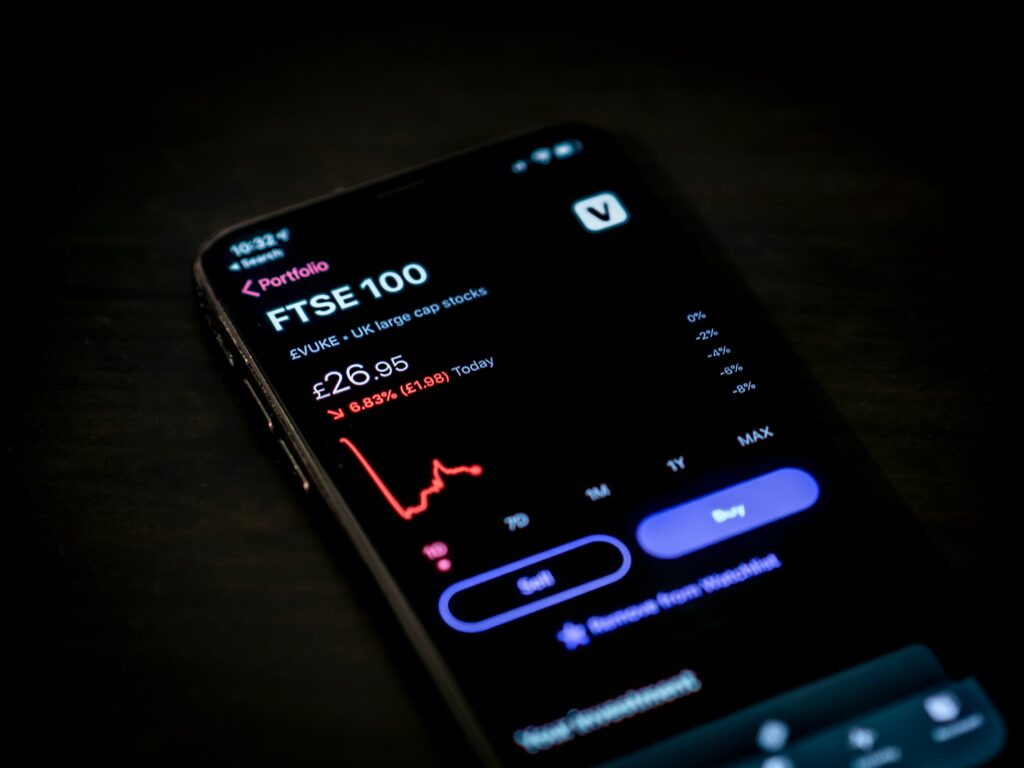
The Footsie has been on the front foot again, reaching fresh records of 10,150 in early trade, marking a significant psychological milestone for the UK’s benchmark index. It pulled its socks up, staging a turnaround from Monday’s lower open, with investors still seeking solace in the defensive nature of listed multinationals whose diversified geographic revenue streams provide insulation from domestic economic headwinds. The index’s resilience reflects not just optimism but a pragmatic rotation into companies with proven business models and stable dividend yields.
It’s also been buoyed by positive updates from Premier Inn owner Whitbread, which was given a further boost on expectations that the government is set to water down its planned hike in business rates. This potential policy reversal would provide meaningful relief to hospitality and retail sectors already grappling with elevated labour costs and subdued consumer spending. Meanwhile, drinks giant Diageo’s plan to offload some Chinese operations in a streamlining move provided cheer to investors concerned about the company’s exposure to slowing Asian markets. The strategic refocusing demonstrates management’s willingness to make tough decisions to protect shareholder value in challenging conditions.
Gold’s glittering run saw miners again make strong gains on Monday, but they’ve edged lower after the precious metal had slipped back a little amid an easing of geopolitical tensions. The yellow metal’s retreat from recent highs reflects improved risk appetite across global markets, with investors rotating out of safe-haven assets into higher-yielding equities and corporate bonds. However, ongoing nervousness about Trump’s interference in the Fed is set to keep a floor under prices, as constitutional concerns about central bank independence create a different category of systemic risk that transcends traditional geopolitical concerns.
Former Treasury Secretary Janet Yellen has described the opening of a criminal investigation into the testimony of Jerome Powell as chilling and signs the US was on the road to being a banana republic. Her stark warning carries particular weight given her decades of experience at the highest levels of economic policymaking and her typically measured public commentary. The unprecedented nature of investigating a sitting Federal Reserve Chair for testimony delivered in his official capacity represents a fundamental challenge to the institutional architecture that has underpinned American economic credibility for generations.
The big worry is that if the Fed is bowed to do the President’s bidding, there will no longer be a razor-sharp focus on ensuring inflation does not veer out of control. Central bank independence has been a cornerstone of modern monetary policy precisely because it insulates interest rate decisions from short-term political calculations and electoral cycles. Today’s core inflation numbers for December in the US will be under intense scrutiny as markets search for clues about the underlying trajectory of price pressures. There are already signs of persistent inflationary pressure, with the data expected to show a slight tick up in price rises to an annual rate of 2.7% from 2.6% in November, veering further away from the Fed’s 2% target.
If inflation overshoots expectations, it could dampen enthusiasm for equities given that further interest rate cuts could be delayed well into the second half of the year. The bond market has already begun pricing in a more cautious Fed trajectory, with yield curves flattening as traders adjust expectations for the terminal rate in this cycle. But it seems in Trump’s wishful world, the Fed would keep lowering borrowing costs despite runaway inflation risks, which is why there’s so much unease about US future monetary policy. This fundamental disconnect between political demands and economic reality creates an environment of profound uncertainty that may persist throughout 2026, forcing investors to navigate not just traditional business cycle risks but constitutional questions about the very framework of American economic governance.” By Susannah Streeter, Chief Investment Strategist, Wealth Club.
The post FTSE 100 Hits Record High as Trump Threatens Tariffs on Iran Trade appeared first on European Business & Finance Magazine.