



















From $500 Million with Nike to a DUI Arrest and Missing the Masters — What’s Left of the Tiger Woods Brand?
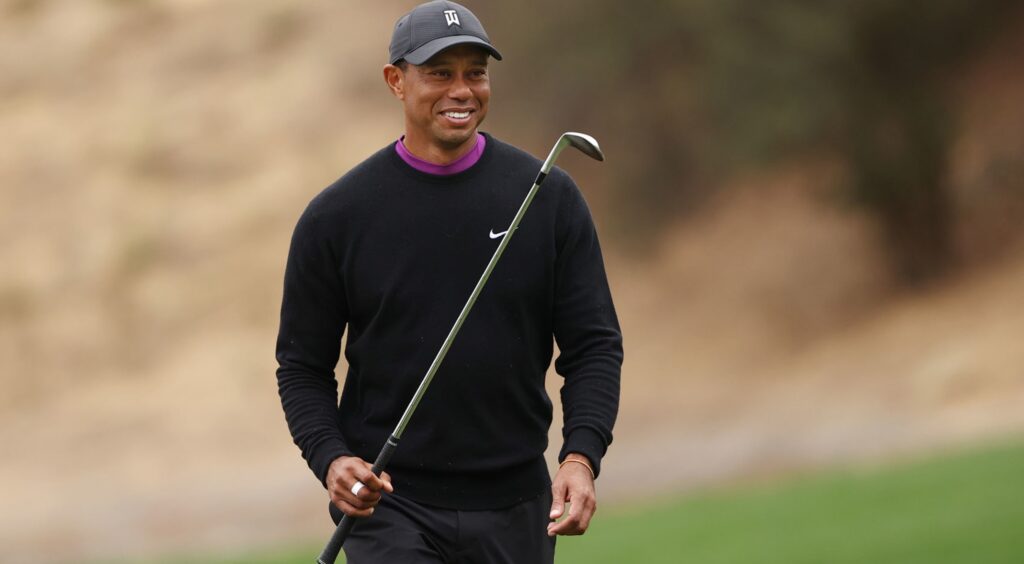
Quick Answer: Tiger Woods was arrested on DUI charges on March 27, 2026 — his second DUI arrest — after rolling his Range Rover in Jupiter, Florida. He has entered treatment and is absent from the 2026 Masters for the second consecutive year, having missed 2025 with a ruptured Achilles tendon. His 27-year Nike deal — worth approximately $500 million over its lifetime — ended in 2024. His replacement brand, Sun Day Red, launched with TaylorMade, is struggling with pricing criticism and brand confusion. The most valuable individual sports brand in history is in genuine crisis.
EBM Analysis: The Systematic Dismantling of the Greatest Athlete Brand Ever Built
There has never been a sports brand like Tiger Woods. Not Jordan. Not Federer. Not Ronaldo. At his peak, Woods was worth an estimated $100 million per year in endorsement income — a figure that reflected not just his dominance of golf but the extraordinary commercial ecosystem he had built around himself over three decades. Nike alone paid him approximately $500 million across their 27-year partnership. He made golf globally relevant, demographically diverse and commercially gigantic in ways no individual athlete had achieved in any sport.
That brand is now in freefall. And understanding why — and whether it can be recovered — is one of the most instructive business case studies in modern sports.
The Collapse Timeline
The deterioration has been gradual, then sudden. The 2021 car crash that shattered his leg was the first structural break — not just physically but commercially. Woods had survived the 2009 infidelity scandal, the divorce, the back surgeries and the long rehabilitation by delivering the one thing that made everything else manageable: winning. The 2019 Masters victory — his first major in 11 years — was one of the most commercially powerful sporting moments of the decade. It proved the narrative of redemption that sponsors could sell.
After the 2021 crash, that narrative became harder to sustain. The leg injuries were severe enough to raise genuine questions about whether he would ever compete properly again. The 2025 Achilles rupture that kept him out of Augusta for the first time since 1994 answered those questions more definitively. And now, in March 2026, a second DUI arrest — this time involving a rollover crash, property damage charges and a refusal to submit to a lawful test — has created a crisis that physical injury never did.
The first DUI in 2017 was managed. Woods pleaded guilty to reckless driving, completed community service, and the commercial relationships held. The brand absorbed it because he was still competing, still occasionally contending, still the most watchable figure in golf. The second DUI lands in a completely different context. He is not competing. He is in treatment. He has been absent from Augusta for two consecutive years. The commercial case for Tiger Woods as an active brand ambassador — as opposed to a legacy figure — is significantly weakened.
The Nike Divorce and What Came After
The end of the Nike partnership in January 2024 was the most significant commercial event in Tiger’s post-peak career. The deal had been worth as much as $20 million per year at its height — reduced to approximately $10 million annually by its final years, but still the most valuable individual golf endorsement in history. Nike’s farewell was warm but final: “it was a hell of a round, Tiger.”
The same Nike that has struggled commercially since — with its stock at an 11-year low and sales declining — actually exited the Tiger relationship at a moment of relative commercial strength for the brand. That timing tells you something about how Nike’s internal assessment of Woods’ commercial trajectory had evolved.
The replacement, Sun Day Red, launched in February 2024 in partnership with TaylorMade. The concept was genuinely ambitious — a premium lifestyle and performance brand built around Tiger’s legacy, with 15 stripes in the leaping tiger logo representing his 15 major titles. TaylorMade’s CEO described it as a full lifestyle brand, not a merchandise play. The pricing reflected that ambition: polo shirts from $120-$170, hoodies at $195-$200, a $550 rain jacket.
The market response has been mixed at best. Golf fans who love Woods have criticised the pricing as significantly above comparable quality brands. The absence of the iconic red polo — synonymous with Tiger for three decades — was widely noted as a branding misstep. The brand has one official ambassador beyond Woods himself — young professional Karl Vilips — and limited commercial momentum. The DUI arrest has now produced the surreal spectacle of Sun Day Red continuing to drop Masters collections while its founder faces criminal charges — a brand management failure that has generated significant negative coverage.
What the Brand Is Still Worth
The Michael Jordan comparison is the most relevant frame. Air Jordan is worth approximately $5 billion annually — decades after Jordan retired, without Jordan needing to compete. The Jordan brand succeeded because it became culturally autonomous — bigger than the man, embedded in street culture and fashion in ways that no individual’s career trajectory could threaten.
The same scarcity logic that drives the Masters’ commercial dominance — controlled supply creating elevated demand — could in theory sustain a Tiger Woods brand indefinitely. His 15 major titles, his transformation of golf’s demographics, his iconic Sunday red: these are permanent assets. They do not depreciate because of a DUI arrest.
But Sun Day Red has not yet achieved the cultural autonomy that Jordan Brand has. It remains dependent on Tiger the competitor, not Tiger the legend. For that to change, the brand needs either a genuine return to competition — Woods winning again, at Augusta, in red — or a fundamental repositioning as a heritage and lifestyle brand that does not require him to play.
The Recovery Case
The history of athlete brand recovery suggests cause for measured optimism rather than despair. Roman Abramovich built a $13 billion empire from a $250 million bet by understanding that the right positioning in the right moment could overcome almost any prior narrative. Woods’ redemption in 2019 demonstrated that he himself understands how to rebuild a commercial story.
The question is whether the physical deterioration and the second legal incident have permanently narrowed the options. A genuine recovery — sobriety, health, a return to Augusta, a contention on Sunday in red — would be the most commercially powerful sports story of the decade. The infrastructure for it exists. Whether the man can deliver it is the only question that matters.
Related Analysis
- Nike Stock Hits 11-Year Low — How the World’s Biggest Sports Brand Lost Its Way
- The Business Behind the Masters 2026
- Roman Abramovich: From Orphan to Billionaire to Sanctioned Oligarch
The post From $500 Million with Nike to a DUI Arrest and Missing the Masters — What’s Left of the Tiger Woods Brand? appeared first on European Business & Finance Magazine.