






















Four Weeks Into the Iran War, Stagflation Fears Are Surging — And Markets Aren’t Ready


Investors are set to stay in a wary mood at the end of a week infused with nervousness about the trajectory of the war in Iran. President Trump has extended the deadline of his ultimatum to Tehran, which initially offered some respite from the sell-off, but a pessimistic mood has settled back in. The FTSE 100 is set for a struggle in early trade as oil prices march higher again to scorching levels. Brent crude is trading close to $110 a barrel as scepticism deepens about any deal being reached — the benchmark is up more than 65% since mid-February.
The conflict has led to a sharp reversal in the Footsie’s fortunes. Just four weeks ago the index had been racing higher on a streak of optimism, trading at a record all-time high within touching distance of 11,000. But after the strikes began on 28 February, confidence has been ebbing away. The record run has turned into a miserable month, with the index down around 8% in just four weeks. As European stocks had been approaching a defining year for the continent’s economic trajectory, the speed of the reversal has caught even cautious investors off guard.
Investors have been bracing for the economic impact of the war, with housebuilders, airlines, banks and miners particularly badly hit. With interest rates now expected to ramp up, making mortgages increasingly unaffordable, hopes for a sales lift in the housing market have been dashed. Barratt Redrow has fallen by 25%, Persimmon by 26% and Taylor Wimpey by 22% as rising borrowing costs bite. Airlines have had a particularly turbulent month, hit by disruption to Middle East routes, a fall in confidence and fears of escalating fuel costs. EasyJet is down around 22% and British Airways owner IAG has fallen 14%.
Banking stocks have been sideswiped by the conflict, even though rising rates would normally benefit net interest income margins. The problem is that higher rates now come with an increased chance of loans going bad as economic conditions deteriorate — and the chaos in the mortgage market, with deals pulled and loans repriced, hits fees and adds uncertainty. NatWest has fallen 13% since the outbreak of the war, partly because it has been more exposed due to the way it has hedged against interest rate changes. HSBC (-14%) and Standard Chartered (-15%) carry specific exposure to the Middle East region, adding further pressure. European banks had entered 2026 positioned for a €30 billion net interest income rebound — that outlook is now being rapidly reassessed.
The surprise fall in precious metals prices has dragged down the mining sector. During previous eras of geopolitical tension, gold and silver have been sought out as safe havens. But the volatile moves seen across markets have upended norms. Antofagasta, the copper and gold mining company, has seen shares dive 24% since the outbreak of conflict. The sharp equity sell-off has led to a scramble to cover positions, and the sell-off in government bonds — particularly Treasuries — has sparked a rise in yields that makes gold less attractive than interest-bearing assets. The strengthening dollar compounds the problem, making gold more expensive for buyers in other currencies.
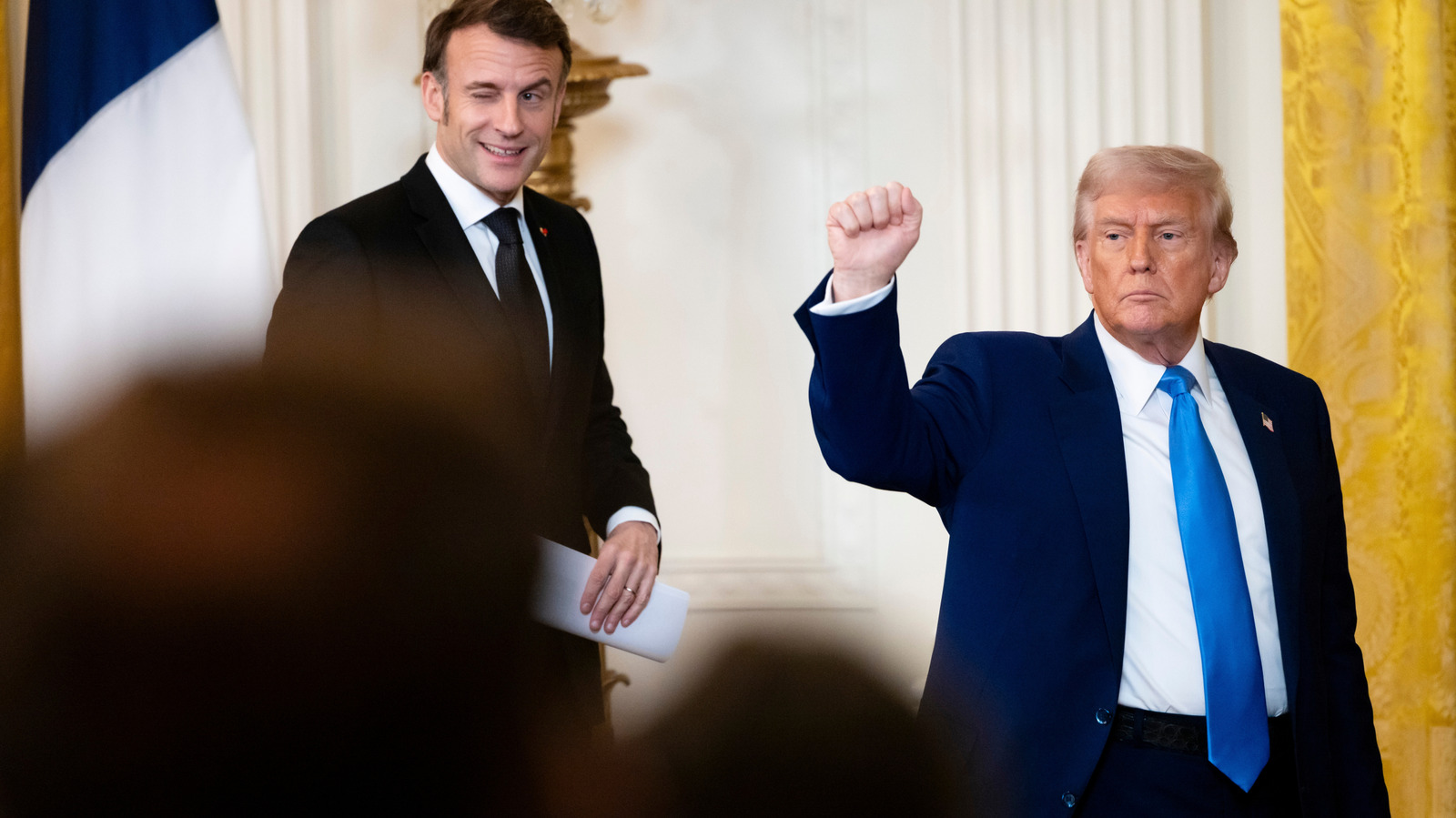
Right now, there seems little prospect of a sharp recovery. The conflict appears entrenched, with no easy resolution in sight. Trump has given Iran another ten days to agree to ceasefire terms, but the prospect of further escalation is hovering given Washington’s threat to attack Iranian power plants and Tehran’s vow to retaliate. While Iran appears to be allowing a limited number of “friendly” flag tankers through the Strait of Hormuz, supplies remain highly constrained. The US is sending thousands more ground troops to the region — interpreted as both a pressure tactic and a signal that a more complex and lengthy military operation may be required to force a capitulation. As Trump’s oil price gambit continues to fail to convince markets, the structural supply disruption remains the dominant force.
Energy costs are set to stay painfully high, and the spectre of stagflation is now showing up in real economic data — stagnation and persistently high prices simultaneously, a toxic combination that central banks are ill-equipped to resolve. Some economies will be more resilient than others. China showed it was on a firmer footing before the war erupted, with industrial profits rising by just over 15% in the first two months of the year. But the momentum looks set to have been rudely interrupted, and even heavily stockpiled economies will not be fully insulated when their trading partners are hit hard.
The US tech sector is being hit by a triple whammy. Concerns that high interest rates will linger for longer puts pressure on future earnings valuations. AI bubble fears are still brewing as investors question whether sky-high multiples can be sustained in a high-rate, low-growth environment. And now a seismic social media ruling has raised fundamental questions about future profitability for Meta and Alphabet. Multiple appeals are expected, but both companies face a long line of new plaintiffs accusing them of negligence in platform design. The precedent set could force a fundamental redesign of infinite scroll features — a change that would directly hit engagement metrics and advertising revenue, the lifeblood of both businesses.
 Subscribe to our free weekly newsletter
  https://europeanbusinessmagazine.beehiiv.com/
The post Four Weeks Into the Iran War, Stagflation Fears Are Surging — And Markets Aren’t Ready appeared first on European Business & Finance Magazine.