

























Foldable phone makers have solved every issue except one

It might be hard to believe, but foldable phones have already been around for the better part of a decade. Granted, the first one I saw back in 2019 — which actually predates Samsung's Galaxy Fold — was a cobbled-together mess. But since then, phone makers have been steadily iterating and tweaking their designs, and this year, manufacturers have finally addressed all the major issues about foldable phones except one: price.
Let’s go back to the OG Fold. Even though it was chunky and heavy, had a tiny exterior display and suffered from a hinge that let too much detritus inside (which is probably how The Verge’s review unit got wrecked), it still showed so much promise. It was a true multitasker — a phone that could turn into a small tablet at a moment's notice. What's not to like?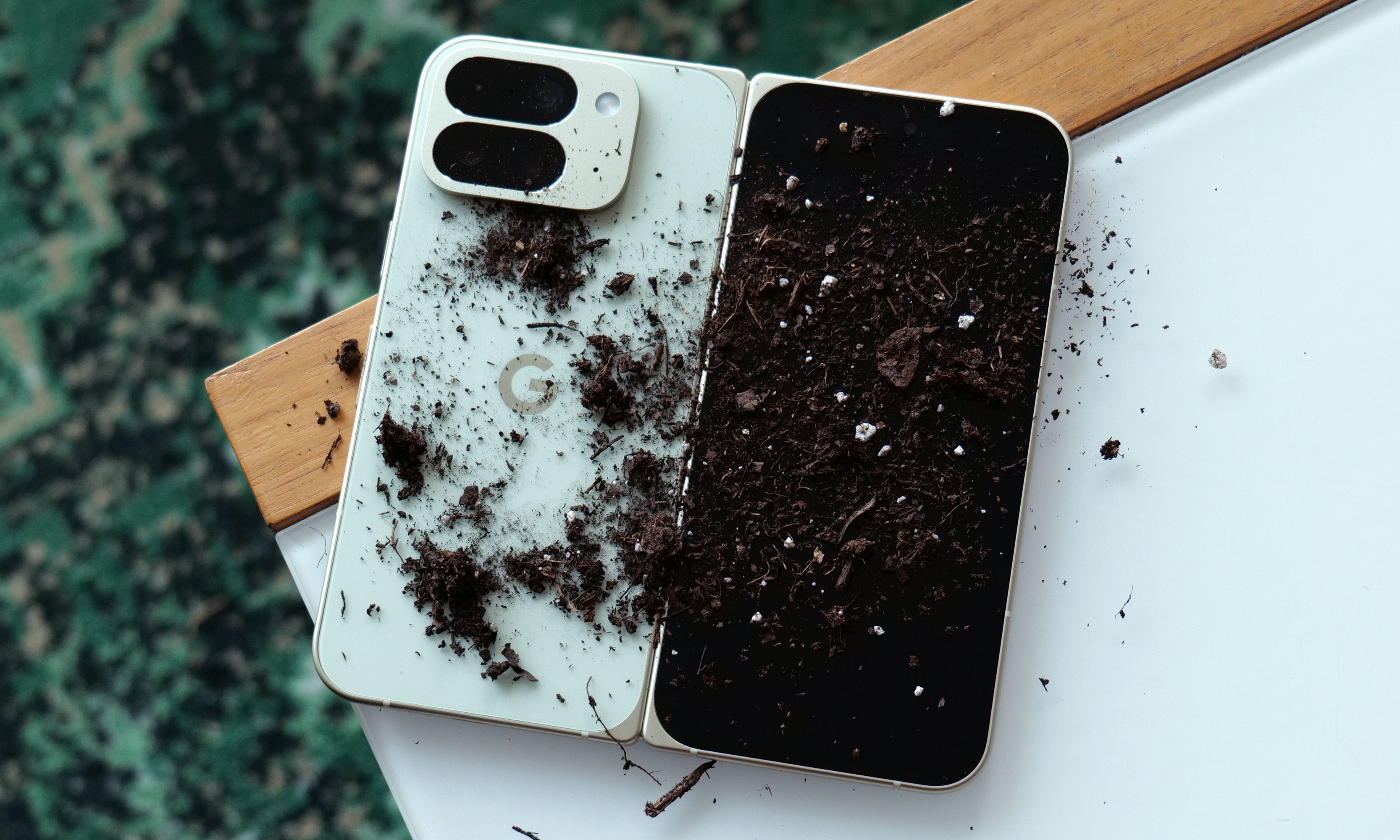
From there, Samsung upgraded its foldables with water resistance and S Pen support on the Z Fold 3, followed by eliminating the gap between the two halves of a closed Z Fold 5. And as competition grew from OnePlus and Google (not to mention all the Chinese rivals like Oppo, Xiaomi and others), we saw design and software improvement across the category .
In 2025, two phones in particular brought major upgrades to foldables as a whole. Even though its shape didn't change much from its predecessor, Google managed to get the Pixel 10 Pro Fold an IP68 rating for dust and water resistance — finally putting protection for both dirt and liquid in the same foldable for the first time. Now, for all the folks out there with regular phones, that might not sound like a big deal. But on devices with complicated hinges where you really don't want random garbage getting inside, that's a massive relief and a big improvement to the handset's general usability. 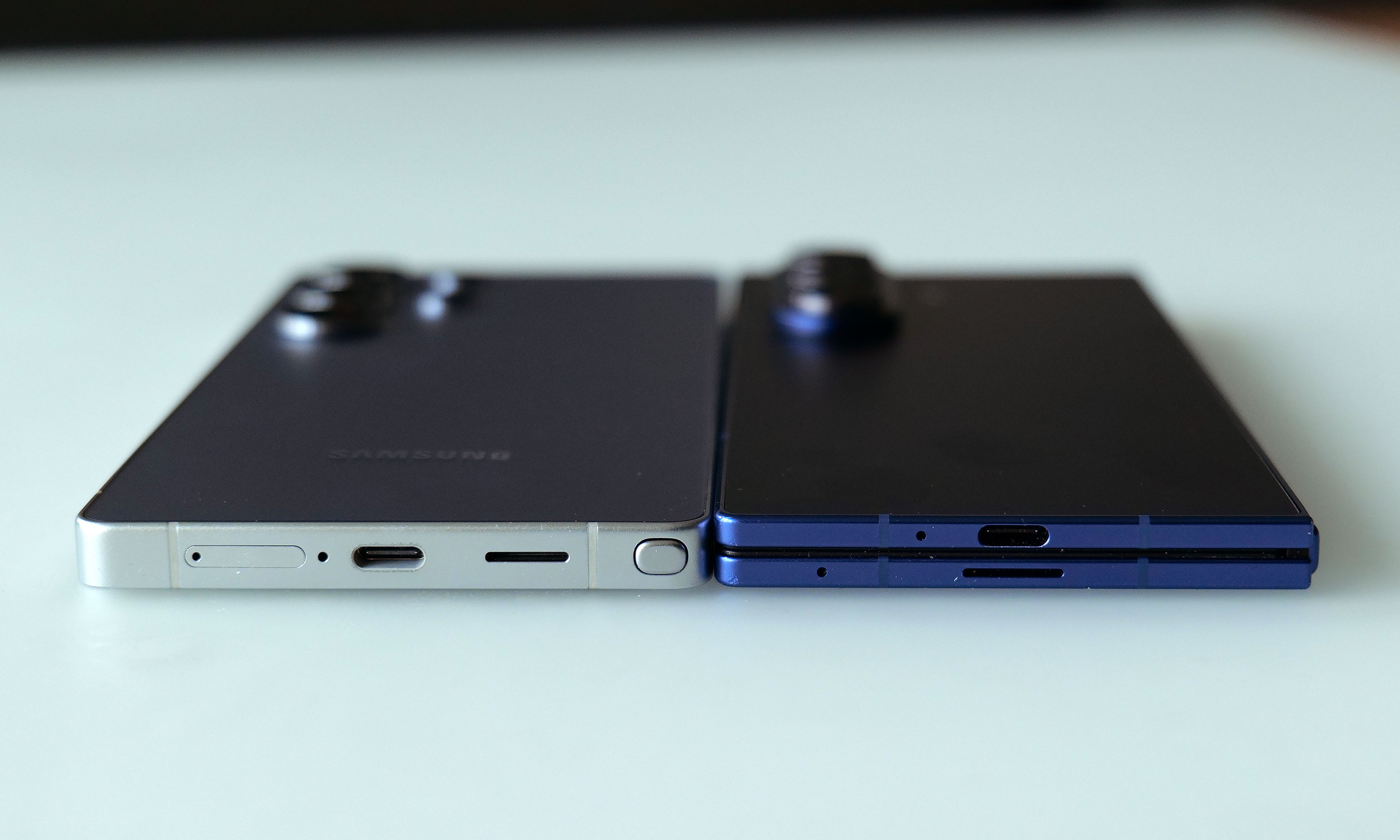
Meanwhile, with the Galaxy Z Fold 7, Samsung achieved what may be an even bigger accomplishment by creating a foldable phone that was essentially the same size and weight as a traditional glass brick handset — with a massive 8-inch interior display no less. In fact, if you compared the Z Fold 7 to Samsung's other flagship — the S25 Ultra — the fold is actually a touch lighter (7.58 ounces vs 7.69 ounces) and practically just as thin (8.9mm vs 8.2mm). That's huge because one of the biggest issues with previous generations of foldables was excess bulk and heft, to the point where often I had to wear a belt just so my pants wouldn't sag when carrying one around.
Unfortunately, there isn't a phone maker that has put both of these advancements into a single gadget just yet. But this is still a big deal, and based on how things are trending, I'm sure that won't be the case for long.
What about the crease, you say? Yes, even the latest and greatest foldables still have a small depression that runs down the screen where the phone bends in half. Let me be clear: that's not really an issue. Sure, it would be nice if it weren't there, but getting mad about the crease is kind of like being annoyed at a convertible car that has some extra panel gaps because it has a retractable roof. Not only is the crease basically invisible when you are looking at it head-on (which is the vast majority of the time), in reality, people don't touch the dead center of their phone's display all that often — especially on a screen the size of a small tablet.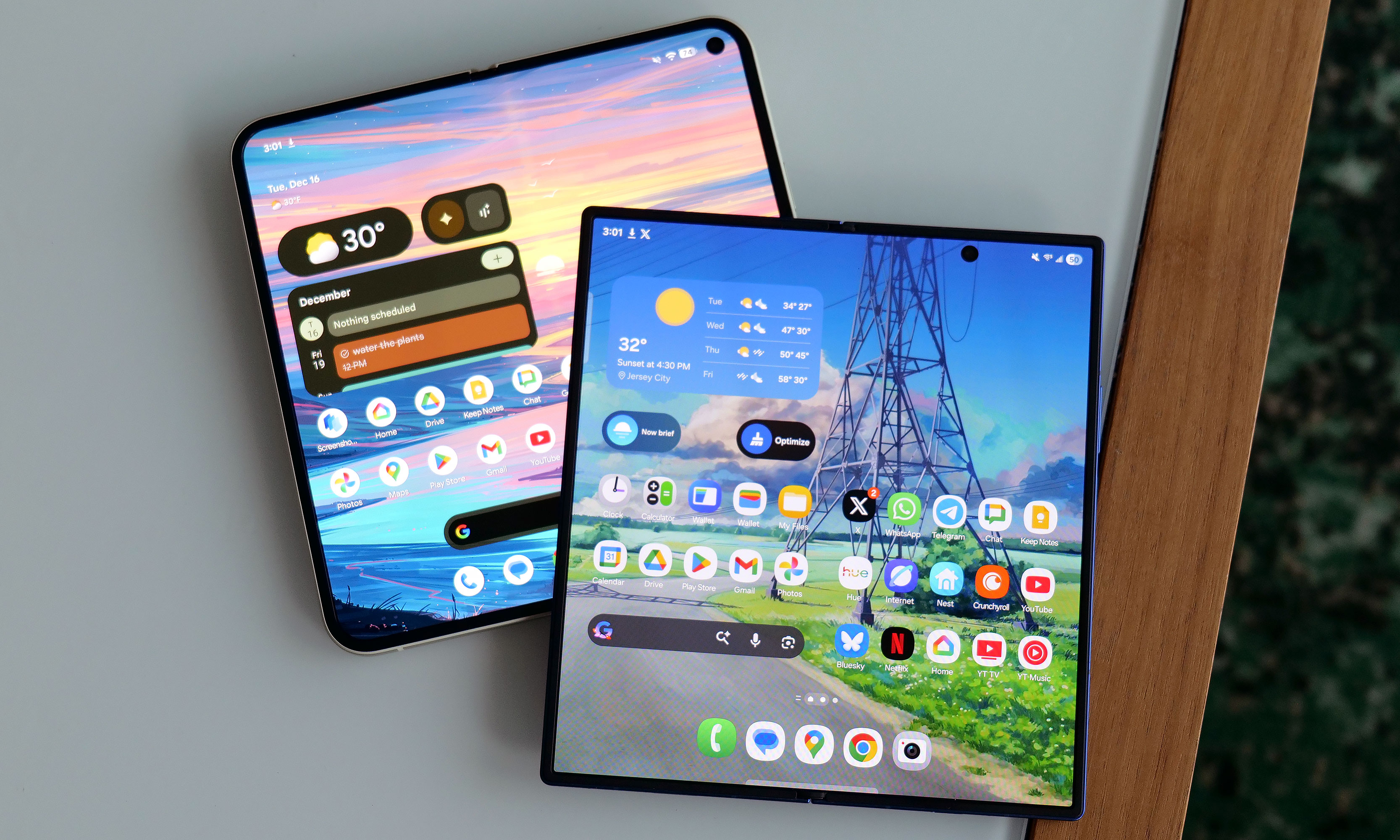
Really, the one thing the makers of big foldables haven't figured out is how to make them affordable. OnePlus sort of came close in 2023 with the Open, which cost $1,500 after rebates that included trading in literally any phone (even broken ones). In fact, things are actually kind of going backwards. The launch price of the Z Fold 7 ($2,000) is $200 more than what the Z Fold 5 debuted at just a couple of years ago. Even with high prices, I've started seeing more and more foldable phones in the wild than ever before and the data backs up my sentiment. Sales of the Galaxy Z Fold 7 are up 50 percent compared to the previous generation while global foldable phone sales reached a new high in Q3 of this year, and I'm willing to bet that there are millions of others out there who would be interested in them — if only they didn't cost so much.
This article originally appeared on Engadget at https://www.engadget.com/mobile/smartphones/foldable-phone-makers-have-solved-every-issue-except-one-130000891.html?src=rss