



























EU Opens Massive New Trade Corridor With South America as Global Trade Tensions Rise

Quick Answer: The EU and Mercosur — the four-nation South American bloc of Argentina, Brazil, Uruguay and Paraguay — signed a landmark trade agreement in January 2026, creating the world’s largest free trade zone covering 700 million people. Provisional implementation is set for May 2026. Full ratification remains contested within Europe.
Why This Matters Right Now
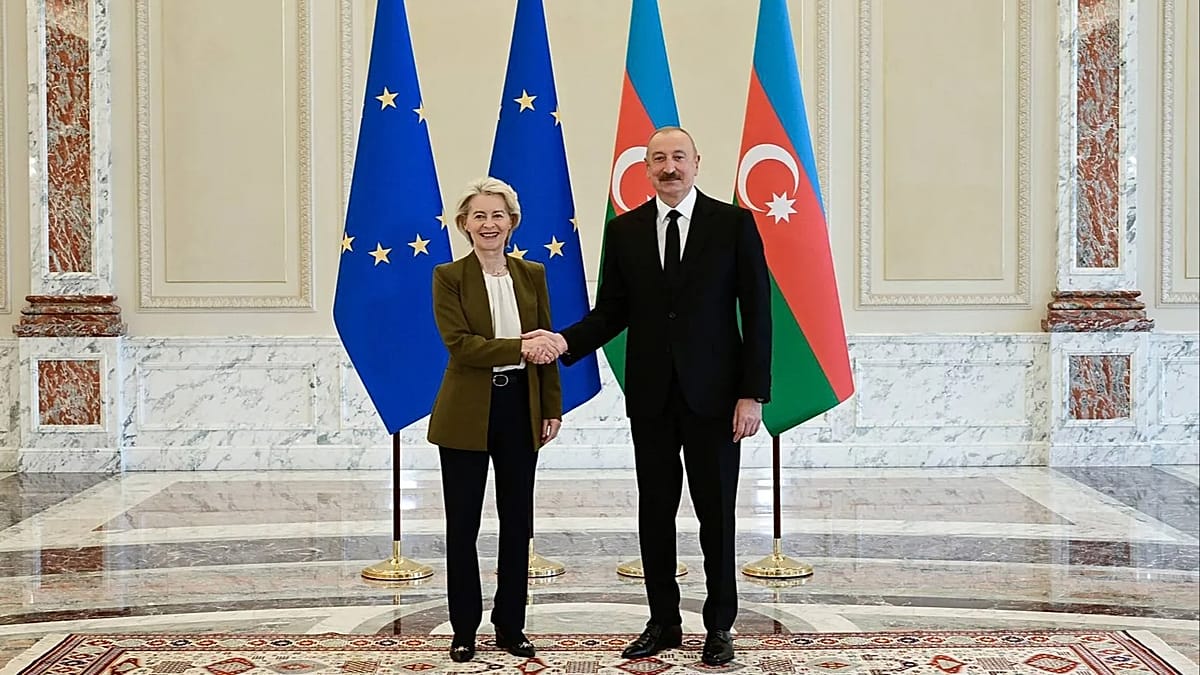
After 25 years of failed deadlines and street protests, Europe has finally moved to implement its biggest trade deal in a generation — and the timing could not be more deliberate. With Argentina and Uruguay completing their ratification procedures in February 2026, provisional application of the Interim Trade Agreement could begin as early as May 2026. White & Case LLP This is Europe hedging its economic future. With Washington pursuing aggressive tariff policy and Beijing tightening its grip on critical supply chains, Brussels urgently needs new trade partnerships. Mercosur is the most significant answer it has found.
What the Deal Actually Is
The EU is a bloc of 27 member states representing the world’s largest single market. Mercosur comprises Argentina, Brazil, Uruguay and Paraguay — four South American nations with a combined population of over 260 million and vast natural resources. Together, the EU-Mercosur trade deal creates a trading zone of 700 million people, representing approximately 20% of global GDP. European Commission
At its core, the agreement is a tariff dismantlement. Mercosur currently levies tariffs of up to 35% on EU cars and machinery, and the deal will save EU firms more than €4 billion each year in duties. European Commission In return, South American agricultural exports — Brazilian beef, soy, sugar, and poultry — gain expanded access to European markets. The deal also secures EU access to critical raw materials including niobium — 82% of which the EU currently imports from Mercosur — vital for manufacturing superconducting magnets used in medical and industrial equipment. European Commission
Why It’s Controversial in Europe
This is not simply a trade deal. It is a political fault line running through the EU itself. The Council approved the agreement by a vote of 21 to 5, with Austria, France, Hungary, Ireland, and Poland voting against it, and Belgium abstaining. Wikipedia European farmers, particularly in France, fear an influx of cheaper South American beef and poultry produced under lower environmental and animal welfare standards than EU regulations require.
The environmental argument runs deeper. EU farmers voiced concerns about excessively cheap agricultural imports, while environmentalists raised objections over deforestation in the Amazon, warning that boosting beef exports could lead to more land clearing. Al Jazeera To secure Italy’s pivotal vote, the Commission promised an additional €45 billion in agricultural support and a €6.3 billion protection fund. Critics call the safeguards a smokescreen. The Commission insists they are legally binding and automatically triggered by import surges.
Why This Is Happening Now
The macro backdrop explains everything. Trump’s sweeping tariff agenda has reshaped global trade flows, while China’s dominance of critical minerals and supply chains leaves Europe dangerously exposed. The response from Brussels is textbook friend-shoring: build deep economic ties with stable, resource-rich partners before rivals do. In a world defined by geopolitical rivalry, economic fragmentation and renewed protectionism, Europe and South America are choosing cooperation over confrontation. Brussels Report The deal reflects a broader shift toward regional trade blocs replacing globalisation.
What Happens Next
Provisional application covers the trade and investment portions of the deal without requiring individual member state ratification — a legally distinct fast-track route. Full legal entry into force requires European Parliament consent, and the iTA will ultimately be repealed and replaced by the full Partnership Agreement once ratified. European Commission In January, the European Parliament voted to refer the deal to the European Court of Justice, a process that may take up to two years. Wikipedia With EU-US trade tensions continuing to escalate, Brussels has every incentive to demonstrate it can build alliances elsewhere. This is step one. The politics of full ratification have barely begun.
When does the EU-Mercosur deal take effect? Provisional application is expected from May 2026, covering trade and investment. Full ratification requires European Parliament consent, currently delayed pending a European Court of Justice legal opinion.
Will the deal hurt European farmers? The Commission has capped Mercosur beef imports at 99,000 tonnes with a preferential 7.5% tariff — around 1.5% of EU production — and established a €6.3 billion protection fund. Critics argue safeguards are insufficient; Brussels insists they are automatically triggered by import surges.
The post EU Opens Massive New Trade Corridor With South America as Global Trade Tensions Rise appeared first on European Business & Finance Magazine.