





















WEEKEND READ: The Billionaire Race Being Run on Your Feet
WEEKEND READ
MAY 23rd London– There is a moment, somewhere around mile eight of any city marathon, when you notice the feet. Not the runners — the shoes. A decade ago the field was a sea of Nike swooshes. Today it is a riot of chunky, candy-coloured soles: the thick wedge of a Hoka, the hollow pods of an On, the engineered mesh of an Asics MetaSpeed. Look closely and you are not watching a running boom. You are watching a business arms race, fought in foam and carbon, that has minted fortunes and rewired one of the oldest corners of consumer goods.
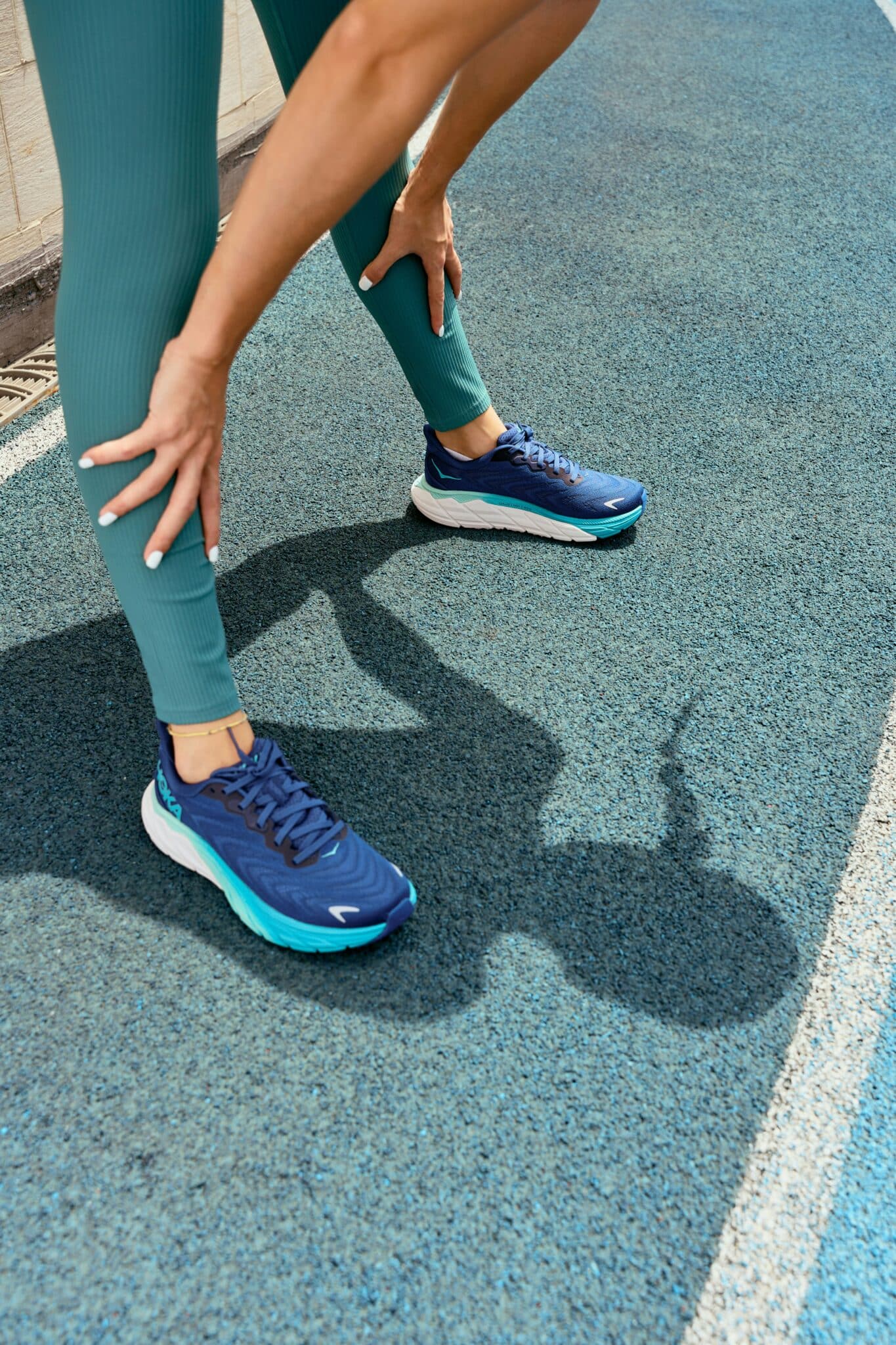 The numbers behind the trainers on your feet are extraordinary. What began as a niche pursuit for serious distance runners has become one of the most lucrative growth stories in global retail — and the brands leading it were, until recently, outsiders nobody took seriously.
The chunky-soled upstart from Annecy
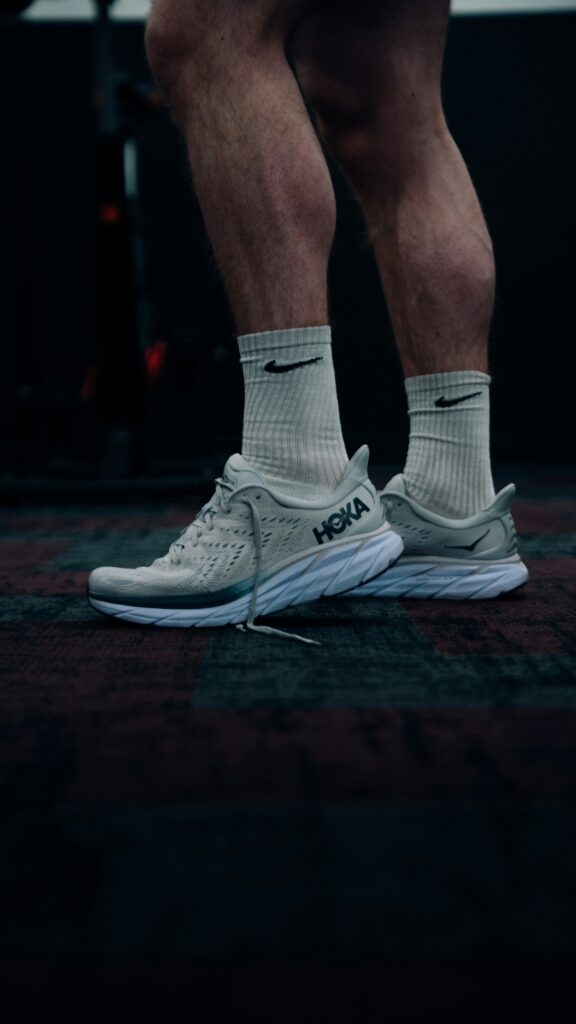
Start with Hoka, because Hoka started it. Founded in 2009 in the French alpine town of Annecy by two trail runners, Nicolas Mermoud and Jean-Luc Diard, the brand’s entire premise was heresy. While the industry chased ever-lighter, ever-thinner shoes, Hoka built absurdly fat, maximally cushioned soles that looked like clown shoes and felt like running on marshmallow. Runners laughed. Then they bought.
The American group Deckers Brands — best known for UGG boots — saw what was coming and bought Hoka in 2012 for a sum that now looks like one of the great bargains in footwear. In its 2025 financial year, Hoka grew revenue 24% and helped push Deckers past a record $4.99 billion in total sales. Hoka alone now turns over more than $2 billion a year. A brand that did not exist two decades ago is bigger than most heritage names built over a century, and it did it by being the contrarian bet that the establishment dismissed.
The Swiss cloud and its famous backer
If Hoka is the maximalist, On is the aesthete. Founded in Zurich in 2010 by former triathlete Olivier Bernhard with David Allemann and Caspar Coppetti, On built its shoes around hollow rubber pods — “CloudTec” — that promised a soft landing and a firm push-off. The look was so distinctive it became a status symbol, worn as readily in a Shoreditch café as on a 10k.
Then came the accelerant. In 2019, Roger Federer — fresh from ending a two-decade relationship with Nike — took an equity stake of around 3% in the brand, reportedly investing about $50 million. It was not a conventional sponsorship; Federer helped design product and lent the company a credibility no marketing budget could buy. The full story of how that bet paid off is one of the great athlete-investor tales. mexc
The payoff was historic. On went public in 2021, and Federer’s gamble eventually made him more money than his $131 million in career prize money ever did. By 2026 Forbes and the Bloomberg Billionaires Index had logged Federer as a billionaire, his fortune estimated above $1.3 billion, the bulk of it traced to that single shrewd investment in a Swiss sneaker brand. And the company kept climbing: On forecast 2025 revenue rising at least 27% to roughly $3.3 billion, with a market value pushing past $19 billion. A tennis player’s side bet had become a generational wealth event. mexc + 2
The Japanese giant that woke up
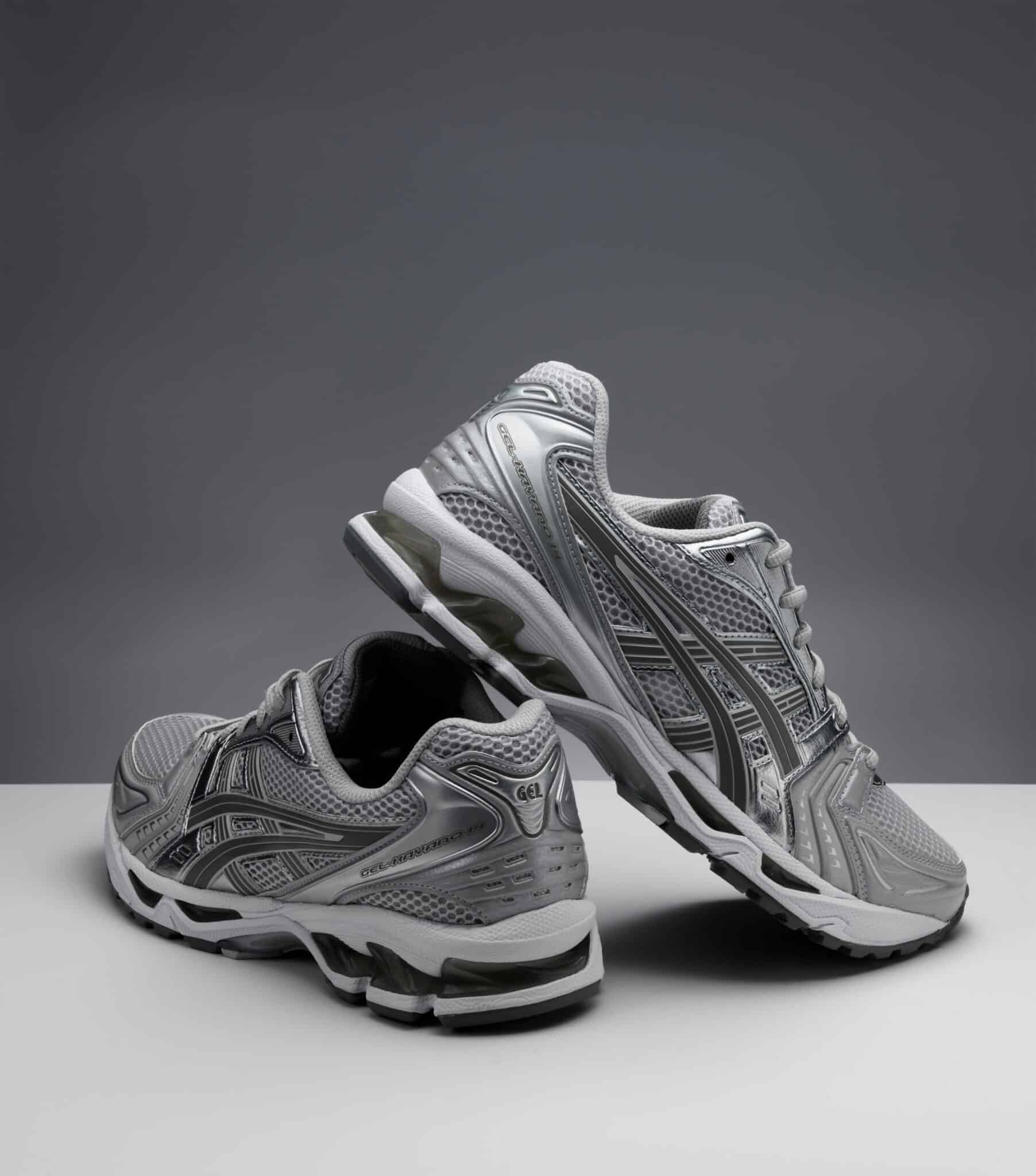 While the upstarts grabbed headlines, the incumbent quietly reloaded. Asics, founded in postwar Kobe in 1949, spent decades as the runner’s runner — respected, technical, unfashionable. The supershoe revolution could have buried it. Instead it staged one of the great corporate comebacks.
Asics posted a 17.7% sales surge, with its lifestyle SportStyle division growing 43%. The trick was twofold: a serious performance line — the MetaSpeed carbon racers — sitting alongside a runaway revival of its retro models. Heritage shoes like the Gel-1130 and Gel-NYC generated triple-digit growth, turning archive designs into Gen Z fashion objects. Asics proved a 75-year-old brand could out-cool the disruptors by raiding its own back catalogue. CNBCYahoo Finance
Why the whole world started running
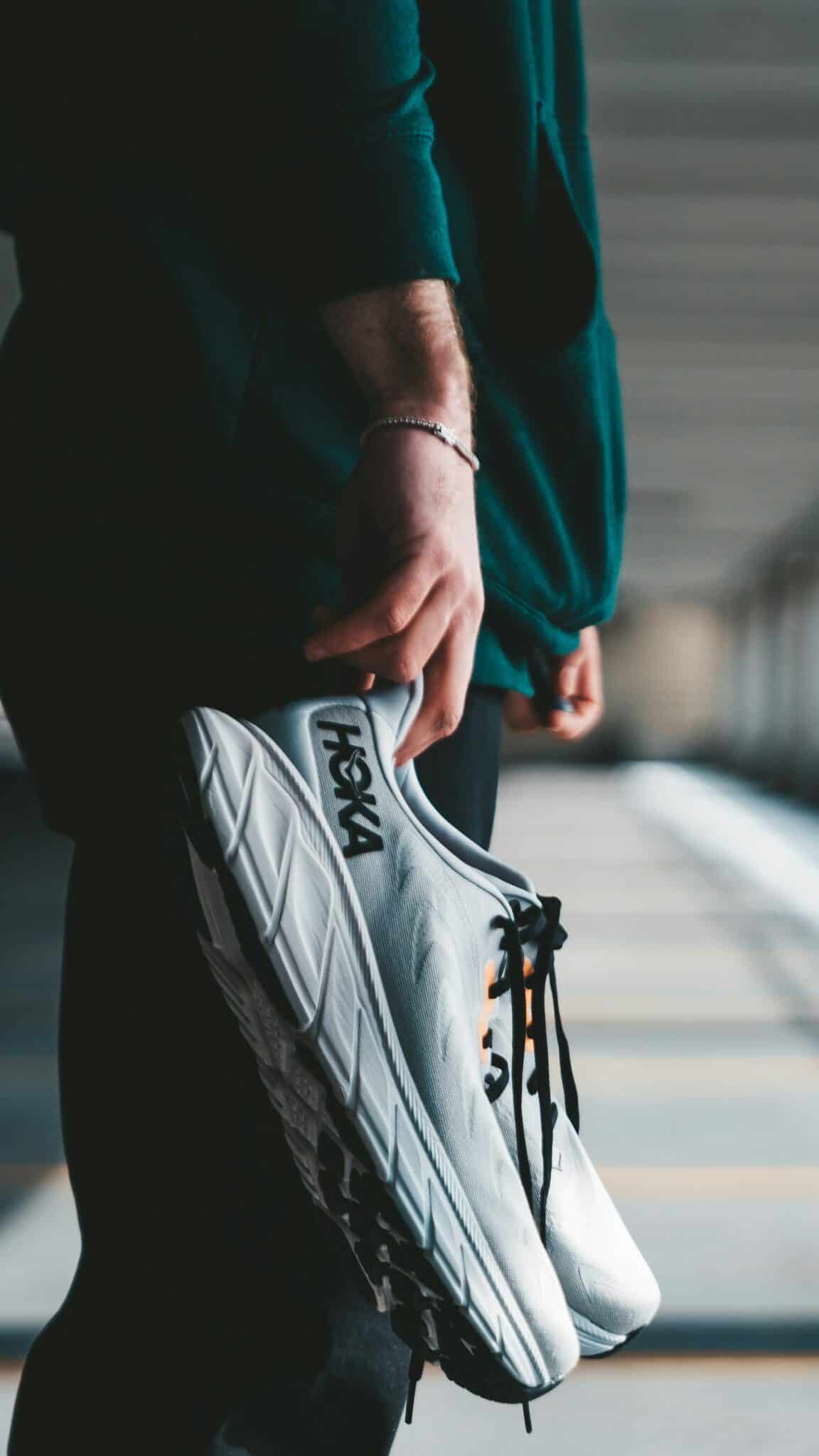 So why now? Why has a multibillion-dollar industry erupted around the simple act of putting one foot in front of the other?
The first answer is technology, and it has a name: the supershoe. Scientific evidence now supports metabolic efficiency gains of between 3% and 5% from carbon-plated footwear, the springy plate-and-foam construction that helped collapse the marathon world record toward two hours. When a shoe can demonstrably make you faster, it stops being apparel and becomes equipment — and runners will pay a premium for an edge, with elite racers routinely priced above $250 a pair. That created a new luxury tier inside a once-commoditised market. Exterrajsc
The second answer is cultural. Running exploded as a post-pandemic social movement — run clubs became the new singles bars, marathons became bucket-list rituals. Global marathon finisher counts reached an estimated 4.2 million across more than 560 major organised events in 2025. Each of those finishers is a customer who needs shoes, replaces them every few hundred miles, and increasingly treats footwear as identity rather than utility. Exterrajsc
The cracks beneath the foam
The race is not without its hazards, and the smart money is already watching for the wobble. Every major brand — Nike, Adidas, New Balance, Brooks, Puma — now sells a maximalist, carbon-plated shoe, which means the differentiation that built these fortunes is eroding. Analysts have begun asking whether Hoka has peaked, noting that its signature max-cushion style has flooded shelves and that rivals have copied the formula. Alpha Architect
The warning shots have already landed. In late 2025 Deckers shares plunged 15% in a single day after it trimmed growth guidance for Hoka, with tariffs and cautious consumer spending cited as pressures. Hoka’s blistering 24% growth was guided down to the low teens — still strong, but a clear signal that the hyper-growth phase has limits. When everyone sells a wonder-shoe, none of them is wondrous. MarketWise
The insurgents at the upstarts’ heels
Here is the twist the giants are watching. The brands that disrupted the establishment — Hoka, On, Asics — are now the establishment themselves, and a fresh wave of insurgents is doing to them exactly what they did to Nike. The challenger has become the challenged.
The new entrants are smaller, sharper and built for a different game. Bandit, founded in Brooklyn in 2020, grew out of New York’s run-club scene from a single product — socks — into one of the hottest names in the sport, landing collaborations with Asics in just a few years. Its weapon is not foam technology but culture: limited drops, storytelling and word-of-mouth that no marketing budget can manufacture. The Paris label Satisfy turned running gear into countercultural fashion, charging luxury prices and using the same suppliers as high-end fashion houses, before launching its first shoe in 2025. Tracksmith built a heritage, collegiate-track aesthetic into a loyal following and has now shipped its fourth shoe in two years, including its first carbon racer.
Then there are the technical specialists. Norda, founded in the Canadian backcountry in 2020, has been dubbed the “Land Rover of trail running shoes” — premium, durable, and cult-adored. Nnormal, the brand co-founded by trail legend Kilian Jornet, sells minimalist performance gear with an environmental ethos.
None of these will trouble Hoka’s $2 billion revenue soon. But that is not the point. They are colonising the cultural high ground — the run clubs, the Instagram feeds, the IYKYK status signals — that the big brands need to stay desirable. The lesson of the last decade is precisely that today’s niche obsession becomes tomorrow’s billion-dollar category. The giants know it, because it is the exact path they walked.
The finish line that keeps moving#
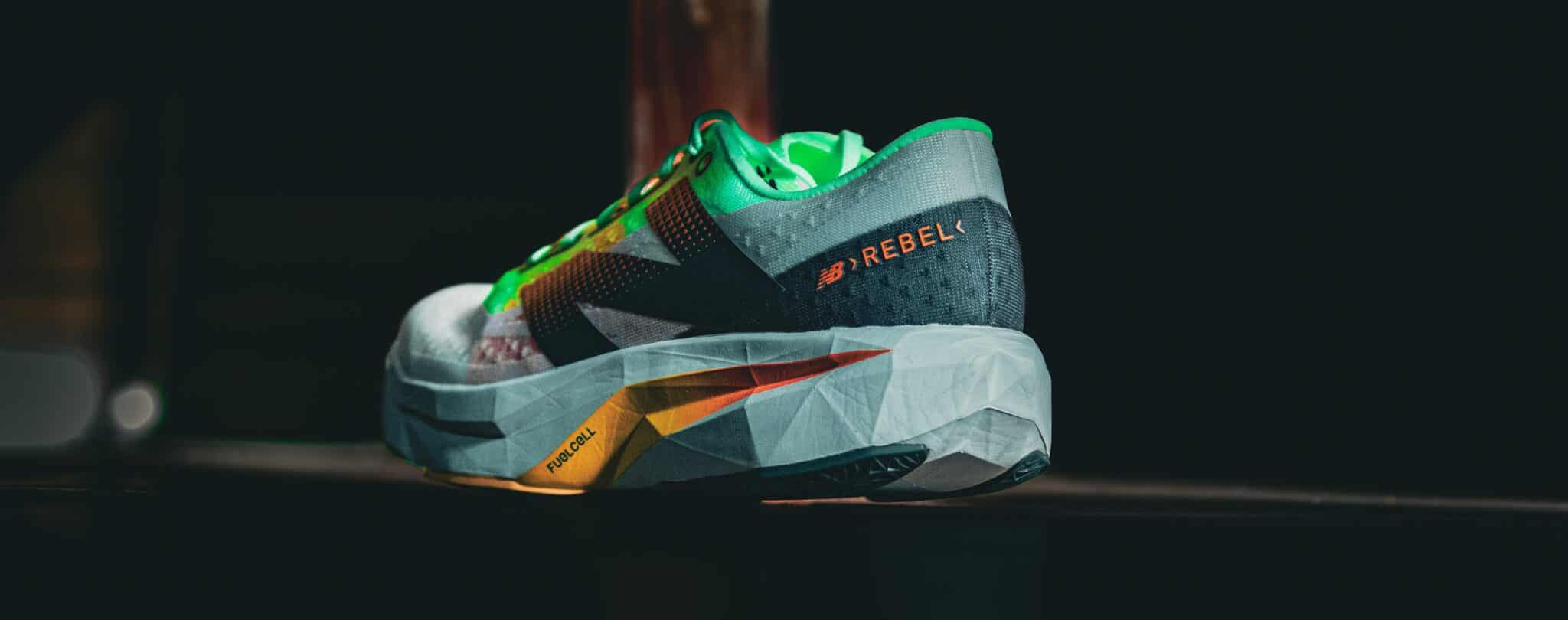
For now, the trend shows no sign of stopping, only maturing. The brands that won did so by refusing the orthodoxy of their day — Hoka made shoes too big, On made them too strange, Asics made the old new again. Each turned a contrarian instinct into billions, and in Federer’s case, turned a retired athlete into a richer man than tennis ever made him.
The next time you watch a marathon, look again at the feet. You are not seeing a fitness fad. You are seeing the most competitive consumer battle of the decade, run in real time, on the soles of a few million amateur runners who simply wanted to go a little faster. The shoes got the glory. The founders, the backers and a certain Swiss tennis player got the fortune.
 Nick Staunton
The post WEEKEND READ: The Billionaire Race Being Run on Your Feet appeared first on European Business Magazine.