


























EU Commission: Frozen Russian money in Germany should also be used
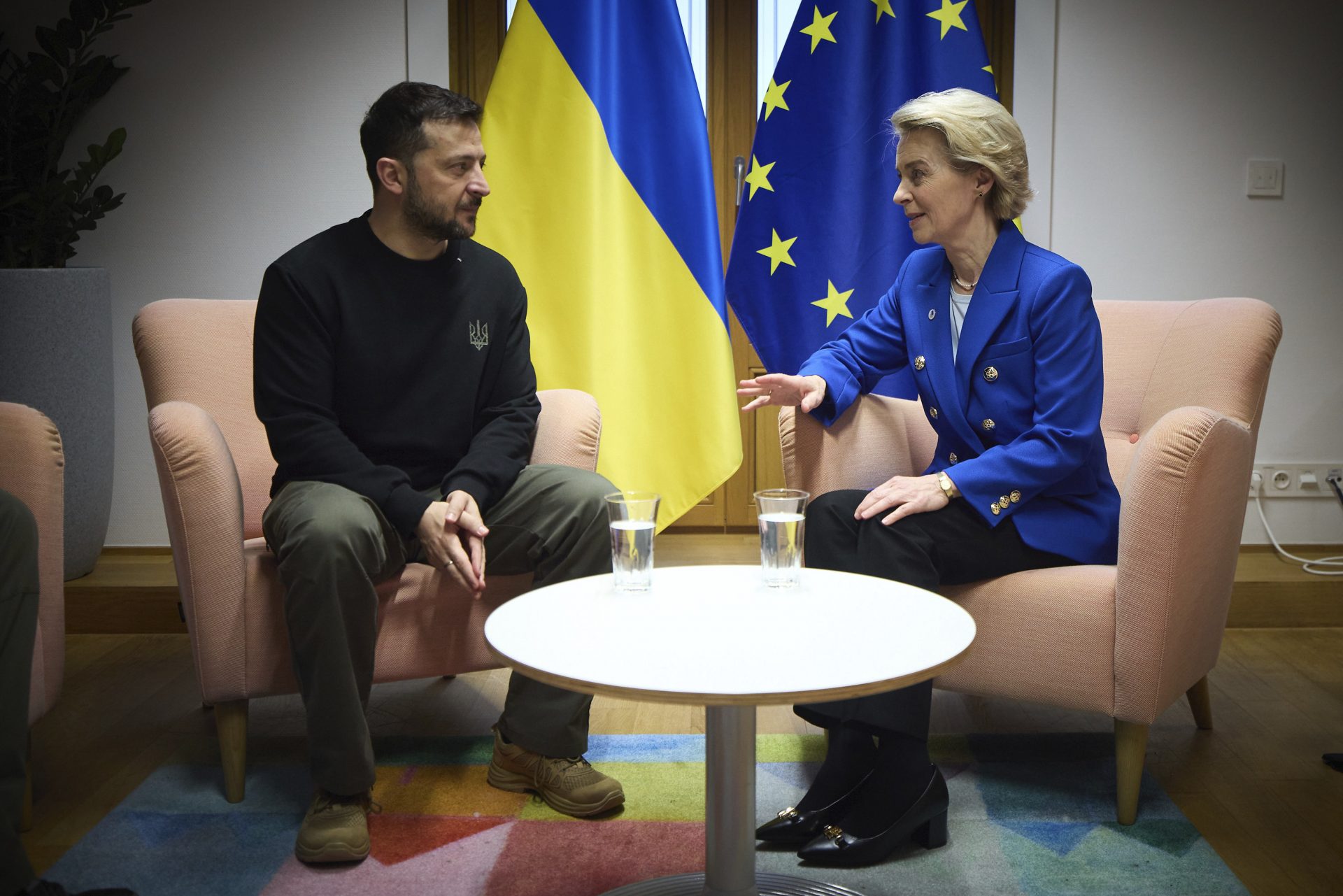
Brussels (dpa) – Germany and several other states, like Belgium, are to make frozen Russian funds available to support Ukraine. According to EU officials, this is envisaged in the proposal for a so-called reparations loan of up to 210 billion euros now presented by EU Commission President Ursula von der Leyen. In addition to Germany, France, Sweden and Cyprus are therefore also possible contributors of Russian state assets for the project, with most of the money said to be in France. The Russian central bank assets managed by the Belgian financial institution Euroclear are estimated at around 185 billion euros.
In recent months, the Belgian government has repeatedly called for the participation of other EU states in order to reduce the risk that Belgium will become the sole target of possible retaliatory measures. Among other things, there is concern that Moscow could expropriate European private individuals and companies in Russia.
German business sees major risks
The Chairman of the Board of the German-Russian Chamber of Commerce Abroad, Matthias Schepp, recently warned that German assets of more than 100 billion euros were at risk. “Germany has invested in Russia like no other country. It therefore has the most to lose from the planned use of Russian central bank funds for arms purchases in favor of Ukraine,” he told the Deutsche Presse-Agentur in October.
Federal government keeps exact figures secret
The German government has so far kept secret how much Russian central bank money is held in Germany. The only recent communication was that, in connection with Russia’s war of aggression against Ukraine, assets totaling around 3.5 billion euros had been frozen or immobilized. This includes frozen funds and economic resources of listed persons or entities as well as “foreign assets of the Russian central bank that are subject to a transaction ban”.
Diplomats recently said that the central bank assets probably amounted to a relatively small three-digit million sum. The federal government has so far not taken a clear public position on whether it would be prepared to contribute assets held in Germany. A spokeswoman for the Finance Ministry told the Deutsche Presse-Agentur in the evening: “The federal government is evaluating the proposal.” She asked for understanding that this evaluation was still ongoing.
Showdown in two weeks?
The governments of the member states must now discuss the plan presented by the EU Commission on Wednesday. Commission President von der Leyen hopes that the heads of state and government of the EU states will approve it in two weeks at their December summit. In the next two years, around 90 billion euros are initially to flow to Ukraine.
As an alternative to the concept for the use of the Russian funds, von der Leyen also presented a concrete proposal for taking on new EU debt for Ukraine. Numerous countries such as Germany, however, reject this and are relying on breaking Belgium’s ongoing resistance to the use of the Russian funds. The EU country plays a central role in the project, as a large part of the Russian funds is currently managed there by the company Euroclear. (3 December)