



























Defence and IP: Understanding jurisdictional differences is key to cross-border R&D collaboration


With defence spending rising rapidly in the UK and Europe, largely in response to the ongoing war in Ukraine and the related cooling of relations with Russia, there is an urgent need for more cross-border collaboration. Innovating collaboratively, across sovereign borders, is key to strengthening our European defences and enabling better, more targeted use of resources.
Whilst more cross-border R&D collaboration could help to introduce greater coherence and accelerate technological progress, it is easy for the companies involved to overlook important jurisdictional differences. If mistakes are made in critical areas such as when and where to seek intellectual property protection, decisions on ownership structures, cost and revenue sharing and inventor remuneration, disputes could arise, and projects could stall before they have had chance to deliver any outputs.
Ensuring greater coherence
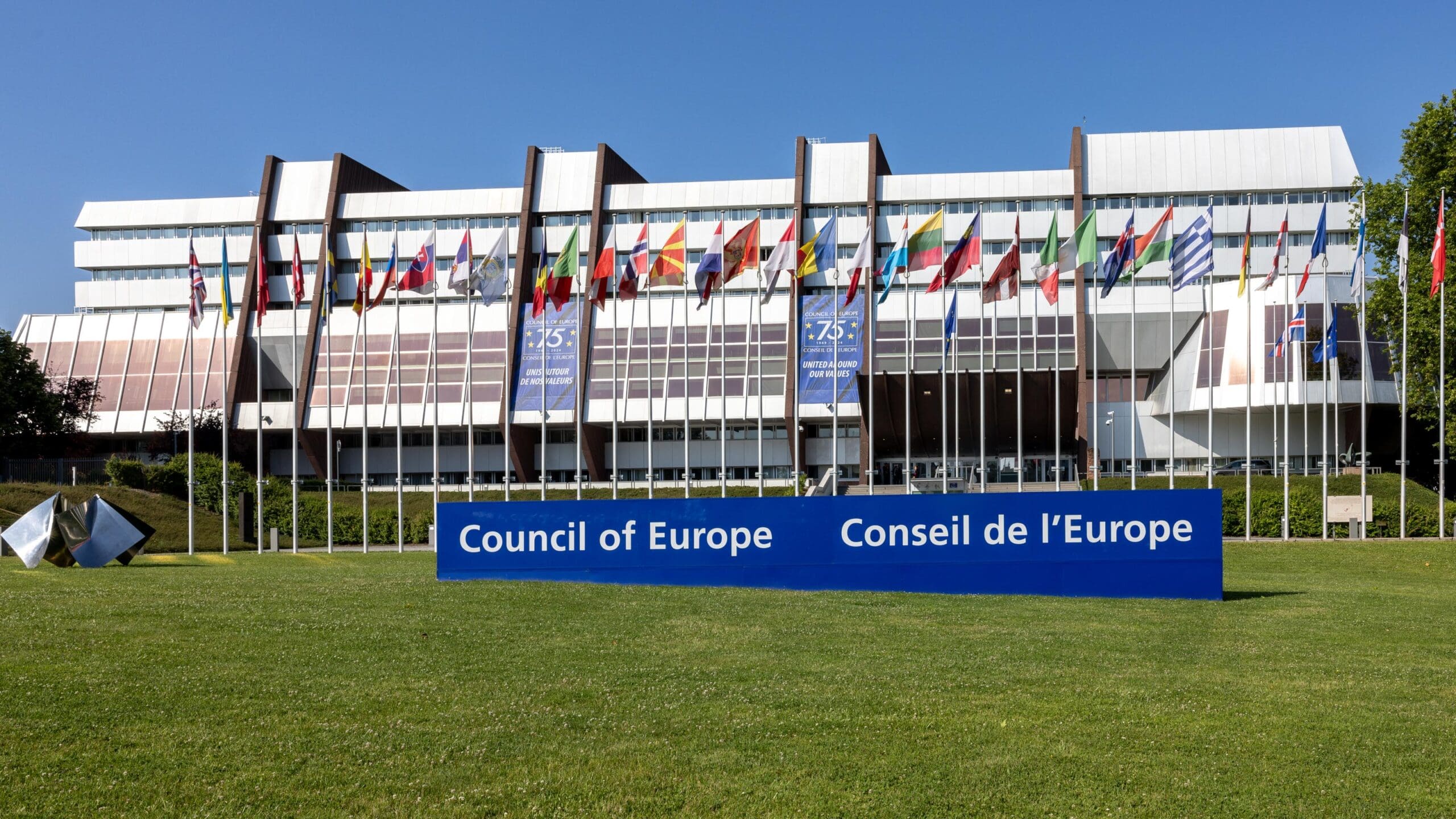
With a focus on ensuring greater coherence, the European Defence Fund (EDF), was established by the European Commission in 2021 to help coordinate national investment in R&D, and 1 billion euros has been dedicated to support collaborative defence R&D projects in 2026. Building on the success of the EDF, the EU’s Defence Readiness 2030 Roadmap, launched in October 2025, aims to strengthen the link between military priorities and EU defence funding instruments, ensuring greater strategic alignment.

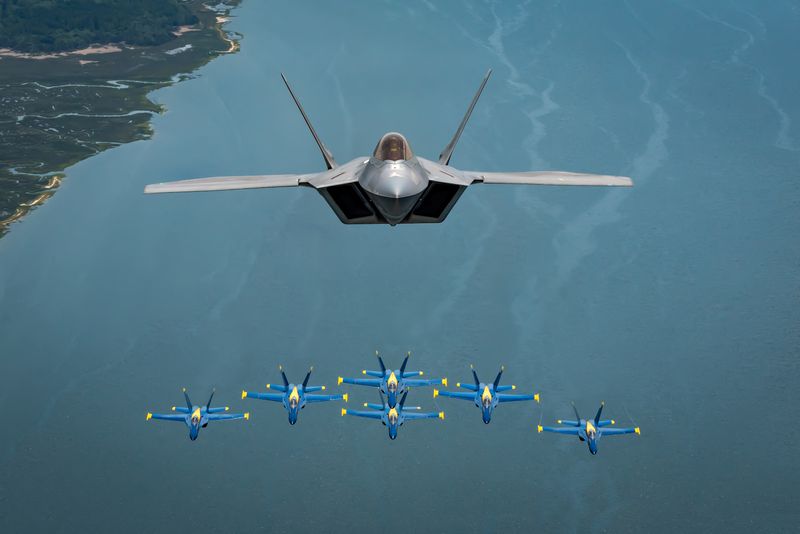
With the push for greater coherence and strategic alignment comes greater opportunity for cross-border R&D collaboration. Launched in December 2022, the Global Combat Air Programme (GCAP) is recognised as a successful model for cross-border innovation. Led by a consortium of defence companies from the UK, Italy and Japan, the programme is developing a sixth-generation stealth fighter jet, which is due to come into service in 2035. Not all defence sector R&D collaborations have been successful, however. The recent cancellation of the Franco-German Future Combat Air System (FCAS) has been attributed to disagreement over control of the programme, access to sensitive technology and the ownership of intellectual property developed during the project. According to news reports, Dassault was reluctant to share sensitive data and patents with Airbus.
Understanding jurisdictional differences
To ensure a successful outcome, it is vital that cross-border R&D projects have access to the right skills and specialist knowledge to support them in negotiating and implementing the right IP arrangements that balance the interests of all stakeholders. They also need to understand where subtle jurisdictional differences could apply, especially when coordinating IP filings and the required filing authorisations from national governments.
Careful consideration should be given to where to file first, as in many instances it is a legal requirement to file first in the country where the invention was developed, where the inventors are resident, based on inventor nationality, or a mixture of these, and the rules can vary by country. In many cases, a foreign filing licence is required before filing abroad, as this allows for national security reviews. Failing to take account of differences in first filing provisions at a jurisdictional level could render a patent invalid in a specific country or member state.
In the defence sector, it is especially important to take extra care when handling sensitive information. If the project team were to inadvertently violate a country’s national security provisions, research activity could be halted, and the potential fallout could be significant for the companies and individuals concerned. Understanding these provisions is critical to the success of cross-border defence sector R&D collaborations.

Another key area of jurisdictional difference is inventor remuneration. In the UK, there is no default obligation for an employer to give an inventor any additional reward for a typical invention. By contrast, in Germany, more generous and complex rules apply when it comes to inventor remuneration, whereas in France, employers are required to remunerate inventors, but the rules that must be applied are less complex and tend to be negotiated based on collective bargaining agreements. There are also subtle differences when it comes to IP ownership, for example, in the UK and France, ownership sits by default with the employer rather than the inventor.
Overall, project teams need to be aware that whilst national laws governing the technical threshold for grant of a patent are fairly well harmonised across the UK and Europe, other aspects of IP legislation relating to ownership and inventorship are not.
Smoothing out differences
To facilitate greater cross-border R&D collaboration in the European defence sector, governments could aim to address some of the jurisdictional differences and increase harmonisation. For example, different countries have different approaches when it comes to first filing rules and authorisations required to file overseas, and definitions of what is sensitive can be hard to follow. It would be helpful if there was a common understanding of what constitutes sensitive information and how it should be handled, as this could help to eliminate delays or missteps in navigating the differing national approaches. The rules that apply to ownership and inventor remuneration could also be harmonised, and additional rules provided to assist in resolving IP-related disputes. Smoothing out some of the differences could help to make things more straightforward for cross-border employers and inventors.
As things stand, project teams can’t afford to go it alone – they need access to specialist UK and pan-European IP advice to guide them in key areas such as developing a filing strategy to meet the project’s needs and local legal requirements, establishing IP ownership and understanding the rules surrounding inventor remuneration. There are obvious efficiency advantages in partnering with an IP firm with a foothold in both UK and European markets as this will bring quicker solutions to complex cross-border IP questions, and ensure smooth service, whilst mitigating the risk of inefficiencies and important details being overlooked.
In summary, understanding jurisdictional differences and sensitivities is critical to cross-border collaborations, and it’s important to get things right from the start. Governments understand that they must partner with commercial organisations to innovate to strengthen European defences, but these organisations must be assured of commercial rewards. Understanding cross-border IP rules and how to apply them, whilst balancing the interests of all stakeholders, is essential for success.
Russell Edson, partner, and Talia Sullens, associate, are patent attorneys at European IP firm, Withers & Rogers. Both have experience in advising cross-border defence sector R&D projects.
The post Defence and IP: Understanding jurisdictional differences is key to cross-border R&D collaboration appeared first on European Business Magazine.