
























Ceasefire JItters: Oil Climbs Back Above $97 As Israel Strikes Lebanon and the Strait Stays Shut
Quick Answer: Less than 24 hours after markets celebrated the Iran-US ceasefire with a 16% oil price crash, doubts about its durability are already filtering back in. Brent crude has recovered above $97 a barrel. European indices are in the red, the Nikkei ended 0.5% lower, and yesterday’s sharp equity gains are being partially erased. The core problem: Israel has continued striking Lebanon despite the ceasefire announcement, Iran says this violates the terms, and the Strait of Hormuz remains largely obstructed with tanker traffic suspended once again.
EBM Analysis: The Ceasefire That Wasn’t — and What Comes Next
The relief lasted less than a day. Oil crashed 16% on April 7 as the Iran-US ceasefire was announced and markets priced a resolution that had not, in fact, been agreed. Brent crude is now back above $97 a barrel. European markets are in the red. The Nikkei ended 0.5% lower. The mood that had briefly lifted with Trump’s Truth Social post has turned subdued and cautious once again.
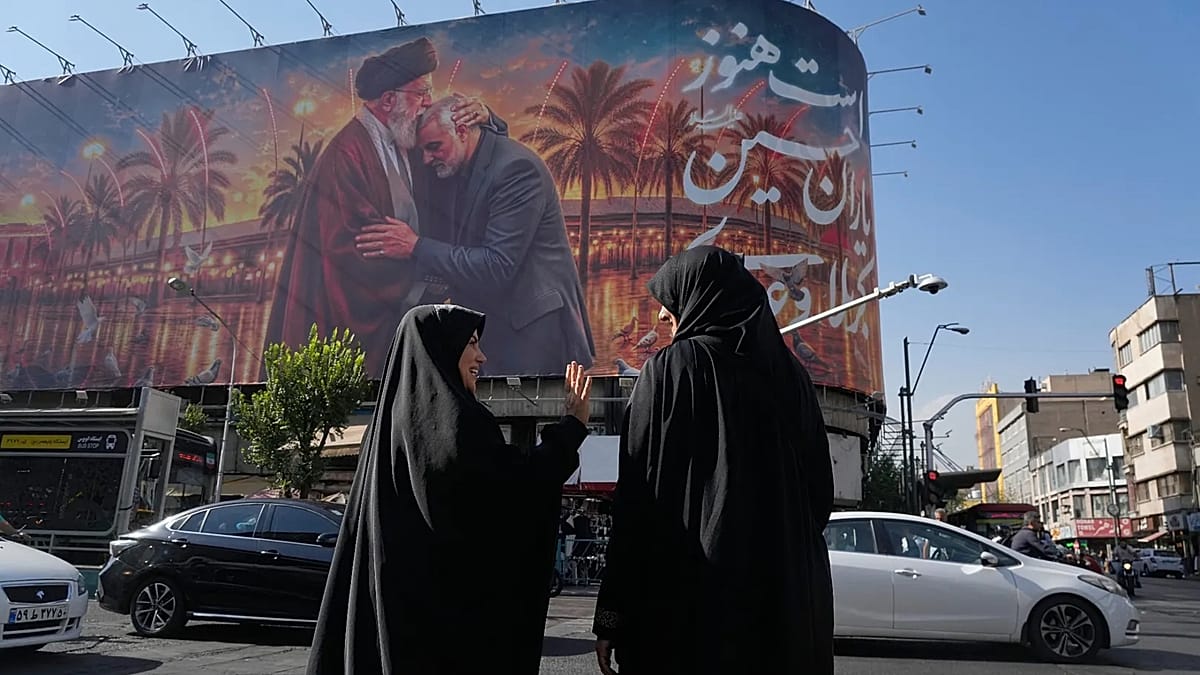
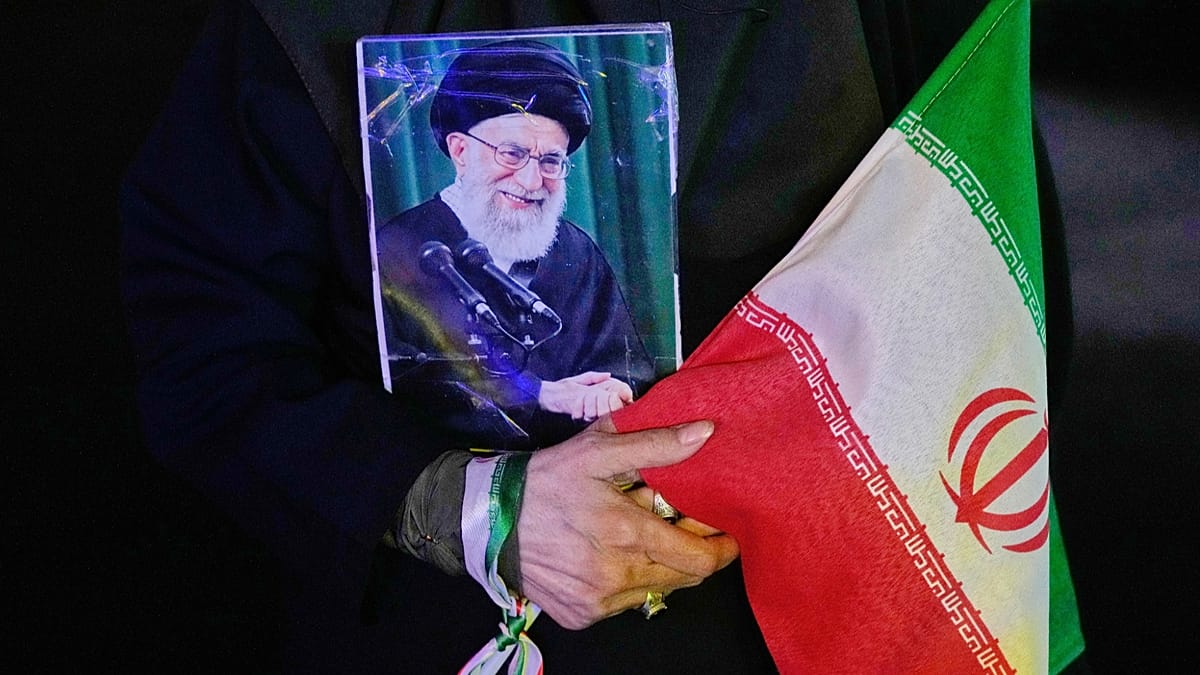
The proximate cause of the renewed anxiety is Israel. The ceasefire announcement covered US attacks on Iran — but Israel has continued striking Lebanon, prompting Tehran to declare that this constitutes a violation of the truce terms. That accusation has a clear implication: if Iran treats Israeli action in Lebanon as grounds for considering the ceasefire broken, the entire framework is far more fragile than the initial market reaction priced.
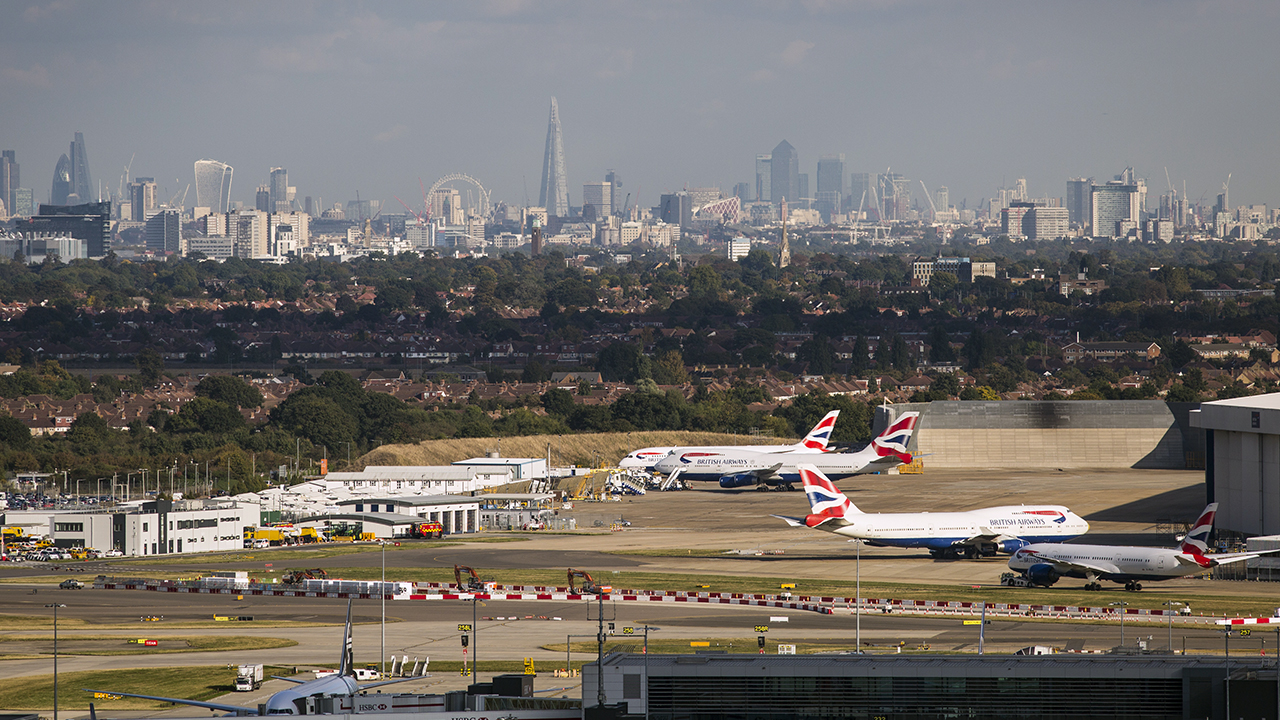
The practical consequence is already visible at sea. Tanker traffic through the Strait of Hormuz — which had been expected to resume under the ceasefire — has been suspended once again. The Strait remains the chokepoint for roughly 20% of global oil and gas supply, and every day it remains obstructed compounds the supply deficit that has been building since February 28.
The Vance Mission
US Vice President JD Vance is leading a delegation to Iran this weekend in an attempt to recover the situation and negotiate the Strait’s reopening. The visit signals that Washington recognises the ceasefire framework is under strain — and that the diplomatic work required to turn a two-week pause into something durable is significantly more complex than Trump’s Truth Social announcement suggested.
The central problem is structural. The US has agreed to suspend attacks on Iran. Iran has agreed, conditionally, to allow safe passage through the Strait. But the ceasefire does not bind Israel, which has its own strategic objectives in Lebanon that are separate from — and potentially in conflict with — Washington’s desire to reopen the waterway. Tehran will not accept a framework in which the US ceases attacks while its primary regional ally continues offensive operations. Those are irreconcilable positions in the short term, and Vance’s mission this weekend faces the challenge of squaring that circle.
The Consumer Reality
While diplomats negotiate, the financial pain for ordinary households is accelerating. Diesel in the UK has jumped above £1.90 a litre — a rise of approximately 50p in some areas since the war began on February 28. Petrol is up around 30p per litre. At motorway service stations, diesel is hitting £2 a litre — directly impacting the millions of families making longer journeys over the Easter holiday period.
European households were already absorbing the sharpest energy cost increases since the 2022 energy crisis before the ceasefire was announced. The brief oil price collapse offered the prospect of some relief at the pump within weeks. That prospect has now receded. Even under an optimistic scenario in which the Strait reopens and the ceasefire holds, the transmission from lower crude prices to lower pump prices takes weeks — and the infrastructure damage across the Gulf means meaningful supply recovery is measured in months, not days.
Saudi Arabia and other Gulf producers have capacity to increase output, but the pace will be gradual. The disruption to loading terminals, pipeline infrastructure and refining capacity across the region means additional barrels cannot simply be switched on. With the Strait on a go-slow at best — even if it reopens — the relief at fuel pumps will come slowly and may reverse quickly if the diplomatic situation deteriorates further.
What Markets Should Expect
As we argued in our ceasefire analysis, the market priced resolution when what was agreed was a pause. That distinction is now reasserting itself with uncomfortable clarity. The next 72 hours — and what emerges from the Vance mission — will determine whether this is a temporary wobble in an ultimately durable ceasefire process, or the beginning of a return to the full escalation trajectory that markets spent five weeks pricing.
The volatility is not going away. Oil prices will remain sensitive to every diplomatic development, every Israeli airstrike and every Iranian statement for weeks if not months. Gold’s safe-haven bid will reassert itself if the situation deteriorates further. The investors who rotated aggressively back into risk assets on yesterday’s ceasefire news are now being reminded why the cautious positioning in bonds and defensive assets was not wrong — it was simply early.
The clock is still running.
Related Analysis
- America and Iran Have a Truce — What Does It Really Mean?
- Oil Crashes 16% as Iran Ceasefire Reached
- Gold’s Tug of War: Will War or Rate Hikes Win?
The post Ceasefire JItters: Oil Climbs Back Above $97 As Israel Strikes Lebanon and the Strait Stays Shut appeared first on European Business & Finance Magazine.