






















Bundesliga’s Smartest Transfer Deals
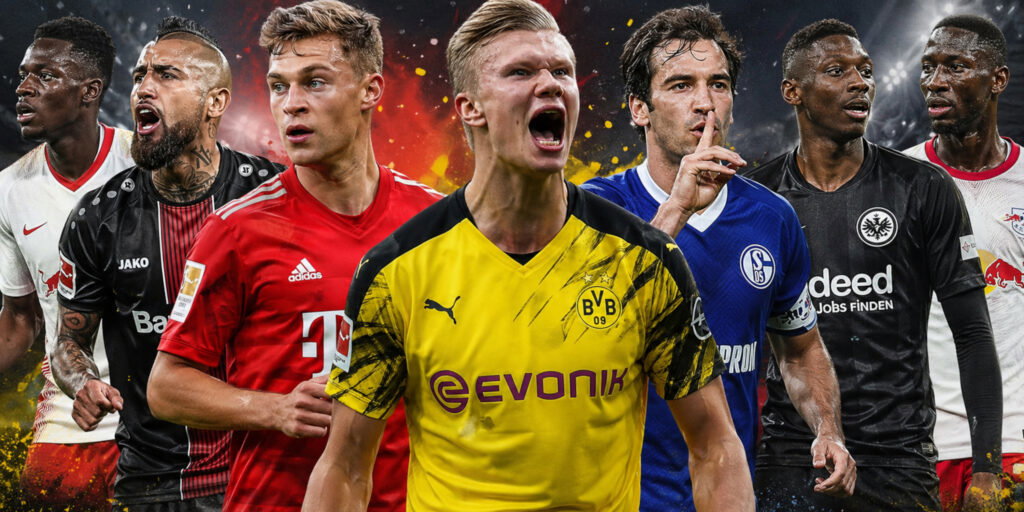
The Bundesliga has a habit of spotting value before the rest of Europe catches on. It is not just about spending less, it is about spending well. Clubs operate with tighter financial margins than many Premier League rivals, so recruitment tends to be sharper, more deliberate, and often more patient.
What follows is a closer look at transfers that delivered exceptional return, whether through trophies, resale value, or sheer influence on the pitch.
Borussia Dortmund and the €5 Million Gamble on Robert Lewandowski
Signed from Lech Pozna? in 2010 for around €4.5 million, Lewandowski arrived with promise but little global hype. Within two seasons, he was one of Europe’s most complete strikers.
- 74 Bundesliga goals for Dortmund
- Key figure in back to back titles in 2011 and 2012
- Four goals against Real Madrid in a Champions League semi final
The fee now looks almost absurd. Even without a transfer fee when he left, his contribution to titles and European runs made this one of the league’s most efficient deals.
Bayern Munich Turn €35 Million into a Midfield Anchor with Joshua Kimmich
Technically this began at RB Leipzig, but Bayern activated the deal and brought Kimmich in for roughly €8.5 million in 2015, part of a broader €35 million structured move.
What followed was a masterclass in long term planning.
- Transitioned from full back to elite central midfielder
- Over 300 appearances for Bayern
- Central to the 2020 treble winning side
Kimmich’s tactical intelligence and durability made him invaluable. In terms of output per euro spent, this ranks among Bayern’s best.
Borussia Dortmund Find Gold Again with Erling Haaland
Dortmund paid around €20 million to sign Haaland from Red Bull Salzburg in 2020. Within minutes of his debut, it was clear they had found something special.
- 86 goals in 89 appearances
- Immediate impact in both Bundesliga and Europe
- Sold to Manchester City for a major profit
The key here was timing. Dortmund moved early, accepted the release clause risk, and still extracted elite performance and financial gain.
Bayer Leverkusen and the €7 Million Arrival of Arturo Vidal
Before becoming a global name, Vidal joined Leverkusen from Colo Colo in 2007.
- Developed into a complete box to box midfielder
- Over 100 league appearances
- Sold to Juventus for a significant profit
Leverkusen’s model often revolves around development and resale. Vidal was a textbook example, raw talent shaped into elite output.
Schalke 04 Discover Value in Raúl González
Signed on a free transfer in 2010, Raúl brought more than just goals.
- 40 goals in two seasons
- Immediate lift in European competitiveness
- Cultural and commercial impact
Free transfers rarely deliver this level of return. Schalke gained leadership, experience, and a forward who still had elite instincts.
RB Leipzig Build Smart with Naby Keïta
Leipzig signed Keïta for under €15 million from Red Bull Salzburg. Within two seasons, he was one of the most dynamic midfielders in the league.
- Elite ball progression and pressing metrics
- Central to Leipzig’s rise into Champions League contention
- Sold to Liverpool for around €60 million
This deal reflects Leipzig’s broader strategy, identify undervalued players within a connected network and accelerate development.
Eintracht Frankfurt Take a Chance on Randal Kolo Muani
Signed on a free transfer in 2022, Kolo Muani delivered immediate output.
- 15 league goals in his debut season
- Key contributor in European competition
- Sold to Paris Saint Germain for around €95 million
Few deals illustrate modern efficiency better. Zero initial cost, elite production, and a massive sale within a year.
What Makes a Bundesliga Deal “Smart”
There is a pattern behind these moves.
Clubs focus on timing more than hype. They target players before peak value, not after. Data plays a role, but so does trust in development systems. Financial discipline forces clarity, every signing has to make sense.
Another factor is patience. Players are given room to grow, which increases both performance and resale value. The result is a cycle that keeps clubs competitive without overspending.
Takeaway
The Bundesliga rarely wins the spending race, but it often wins the thinking one. These deals show how sharp recruitment, clear planning, and a willingness to act early can outperform far bigger budgets.
It is not about finding perfect players. It is about recognising value before everyone else does, and having the structure to turn that value into something tangible on the pitch.