






























America’s Inflation Nightmare Is Back — and This Time Iran Pulled the Trigger
Quick Answer
As of 10 April 2026, US CPI has surged to a two-year high, driven by the Iran war energy shock — but the detail markets are panicking about is that core services inflation has also re-accelerated, meaning the Fed cannot dismiss this as a clean energy spike it can look through. That reprices everything: rate cut expectations, dollar trajectory, and ECB policy room simultaneously. Experts say the print solves the inflation direction debate — but creates a far harder question about whether the Fed can tighten into a tariff-shocked, energy-squeezed economy without triggering the recession it has spent three years trying to avoid.
EBM Exclusive Take
This is the inflation print that monetary policymakers feared most — not a clean energy spike that fades as oil prices stabilise, but a broadening pass-through into services, transport, food logistics and manufacturing costs that embeds itself in the price level and forces a genuine policy response. The Federal Reserve had been carefully threading a path between overtightening into a slowing economy and cutting too early into a still-warm labour market. That path has now narrowed dramatically. The Iran war did not cause America’s inflation vulnerability — years of supply-side underinvestment, a structurally tight labour market and the residual demand overhang from pandemic-era fiscal stimulus did that. But the Hormuz closure pulled the trigger on a pressure that was always loaded.
The Numbers and What They Mean
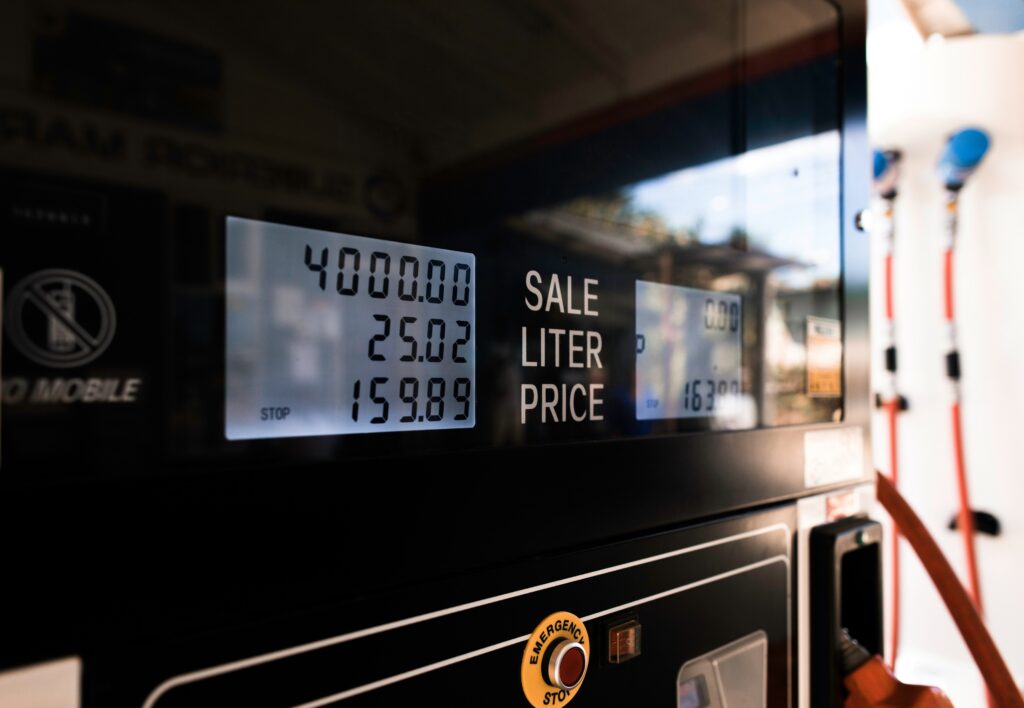
The latest US CPI reading has come in at its highest level since 2024, with energy components leading the surge but the inflationary impulse spreading well beyond the pump. Petrol prices have risen sharply across all major US metropolitan areas since Iran’s naval forces effectively closed the Strait of Hormuz in late February, removing approximately 20% of global oil supply from free circulation and sending North Sea Brent to record highs with cascading consequences for European and American consumers alike.
The energy component of CPI was widely anticipated to be elevated. What has alarmed analysts is the breadth of the print. Transport costs — both freight and consumer — have risen as diesel prices feed through supply chains. Food prices have accelerated as agricultural logistics costs increase. Services inflation, which had been slowly cooling through late 2025, has re-accelerated as businesses pass higher operating costs to consumers in a labour market that remains too tight to absorb margin compression quietly.
The Fed’s Impossible Position
For the Federal Reserve, the inflation print arrives at a moment of maximum policy complexity. The central bank had been widely expected to hold rates at its next meeting — the base case was a cautious pause, with markets pricing one or possibly two cuts by year end. That pricing has now shifted sharply. Rate cut expectations have been pushed back, with futures markets repricing the first cut from mid-2026 toward late 2026 at the earliest.
The difficulty for Chair Jerome Powell — who this week was simultaneously managing the Mythos AI cybersecurity emergency alongside Treasury Secretary Bessent — is that the inflation shock is supply-driven rather than demand-driven. Raising rates does not reopen the Strait of Hormuz. It does not reduce the price of oil. What it does is compress demand in an economy where consumer confidence is already fragile, corporate earnings guidance is being revised downward and the tariff shock is simultaneously raising input costs across manufacturing and retail. The Fed is being asked to fight an inflation fire with a tool designed for a different kind of blaze.
European Contagion
The US inflation print carries immediate implications for Europe. The ECB’s rate trajectory — already complicated by energy price surges driving industrial input costs to crisis levels — now faces an additional external constraint. A Federal Reserve forced to hold rates higher for longer maintains dollar strength and puts depreciation pressure on the euro, which feeds back into import costs and adds a secondary inflationary impulse to an economy already absorbing the direct energy shock of the Hormuz closure.
European bond markets have reacted accordingly, with yields rising on the expectation that the ECB will find its own rate path constrained by Fed policy even if the domestic European inflation picture would otherwise argue for continued easing. The policy divergence that many had anticipated through 2026 — a cutting ECB versus a pausing Fed — now looks considerably less likely to materialise at the pace markets had priced.
The Iran war began as a geopolitical crisis. It has become an inflation event. And inflation, once embedded, is considerably harder to resolve than a military ceasefire.
Related Analysis
The post America’s Inflation Nightmare Is Back — and This Time Iran Pulled the Trigger appeared first on European Business & Finance Magazine.