































Airbus Warns Engine Shortages Are Derailing Production Ramp-Up
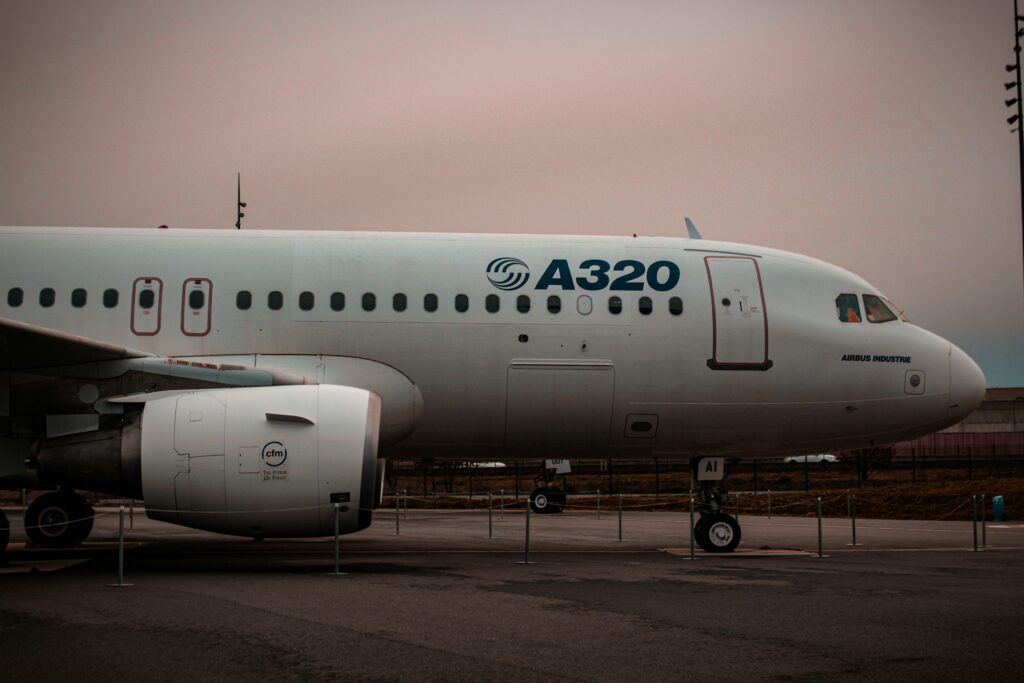
Airbus has been forced to lower its production ambitions for the A320, the most commercially important aircraft in its fleet, after persistent engine delivery failures by Pratt & Whitney left the European planemaker unable to ramp up output as planned.
The company said on Thursday that it now expects to produce between 70 and 75 A320-family jets per month by the end of 2027, down from a previous target of 75. Production would stabilise at 75 a month beyond that date. The announcement accompanied full-year results that showed a 17 per cent rise in fourth-quarter adjusted operating profit — strong numbers overshadowed by a guidance miss that sent Airbus shares down more than five per cent in Paris trading.
The culprit is no surprise. Pratt & Whitney, the RTX-owned engine maker responsible for powering roughly 40 per cent of Airbus’s narrowbody fleet through its Geared Turbofan (GTF) programme, has failed to commit to the volume of engines Airbus has ordered. In unusually blunt language, Airbus said the shortfall was “negatively impacting this year’s guidance and the ramp-up trajectory.”
CEO Guillaume Faury went further on the earnings call, saying Airbus intended to enforce its contractual rights against Pratt & Whitney, whose engine shortages are directly constraining both deliveries and profitability. But he acknowledged that a resolution was not imminent, telling analysts the company would have to “bite the bullet” this year.
A Problem Years in the Making
The dispute is the latest chapter in a supply chain crisis that has dogged Airbus since the pandemic. The company was forced to trim its delivery targets in 2022, 2024 and again in 2025, each time citing bottlenecks in engines, cabin interiors, seats and other components. Last year, a separate quality issue involving the thickness of metal panels on the A320 line forced another downward revision, with Airbus ultimately delivering 793 aircraft against an original target of roughly 820.
For 2026, Airbus is guiding for approximately 870 deliveries — a meaningful step up, but well below the 907 that analysts at Visible Alpha had expected. The company has dispatched just 19 aircraft so far this year.
The engine problem is particularly acute. Pratt & Whitney has been battling a backlog of inspections and repairs since a rare metal powder defect was discovered in its GTF engines in 2023. That quality issue forced hundreds of engines to be pulled from service for inspection, creating a cascade of delays that has rippled through the entire narrowbody supply chain. Airlines have been forced to ground nearly-new aircraft, extend the service life of older jets and, in some cases, strip planes for engine parts that now command lease rates of around $200,000 per month — comparable to leasing an entire aircraft.
Airbus first went public with its frustration over Pratt & Whitney deliveries in January. Outgoing commercial aircraft chief Christian Scherer said at the time that engines for the A320neo family were arriving “very, very late” and that the trend would extend well into 2026. CFM International, the other major A320neo engine supplier and a joint venture between GE Aerospace and Safran, indicated last week that it was not prepared to fill the gap by increasing its own deliveries to Airbus beyond existing commitments.
Why the A320 Matters So Much
The stakes are enormous. The A320 family accounted for nearly 80 per cent of all Airbus deliveries last year and represents the overwhelming majority of its order backlog. Every month of delayed ramp-up costs Airbus revenue, margin and customer goodwill. Airlines that ordered aircraft years ago to support network expansion and fleet renewal are instead managing with fewer planes than they need, constraining capacity at a time when global air travel demand remains robust.
The financial picture remains solid in absolute terms. Airbus is forecasting adjusted EBIT of around €7.5 billion for 2026, with free cash flow of approximately €4.5 billion. The company proposed a dividend of €3.20 per share, up from a combined €3.00 the previous year. Production targets for other programmes remain intact: five A330s per month by 2029, twelve A350s per month by 2028, and a slightly improved A220 rate of 13 per month by 2028 following the integration of Spirit AeroSystems’ wing operations.
But the A320 is the franchise. Until Airbus and Pratt & Whitney reach a durable agreement on engine volumes, the world’s largest planemaker will continue operating below its potential — building aircraft it cannot fully equip and managing a production system constrained not by demand or by its own capacity, but by the inability of a critical supplier to deliver what it has promised. For an industry that spent the post-pandemic years insisting the supply chain would normalise, the message from Toulouse on Thursday was sobering: it has not.
The post Airbus Warns Engine Shortages Are Derailing Production Ramp-Up appeared first on European Business & Finance Magazine.