
































10 Facts That Explain Charlton Athletic’s Rise and Fall
1. A South London Club Built on Community
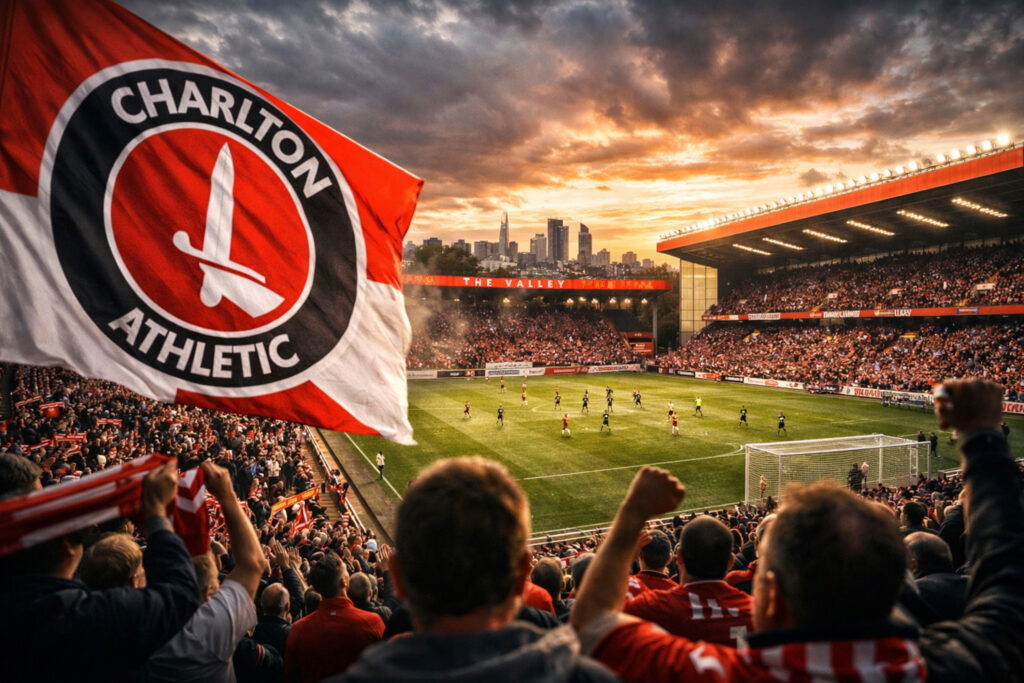
Charlton Athletic grew out of a working-class area where football clubs doubled as social anchors. Founded in 1905, Charlton quickly became a focal point for the east and south-east of London. That local identity later became both a strength and a limitation, producing fierce loyalty but restricting commercial reach compared to bigger London neighbours.
2. Early Success Came Faster Than Expected
Charlton’s first golden age arrived before the Second World War. They reached four consecutive FA Cup finals between 1937 and 1947, winning one. For a club outside the traditional elite, that run still stands out as an outlier in English football history.
FA Cup finals record
| Final appearances | Wins | Runners-up |
|---|---|---|
| 4 | 1 | 3 |
This period set expectations that would prove difficult to sustain.
3. The Valley Became a Symbol, Then a Problem
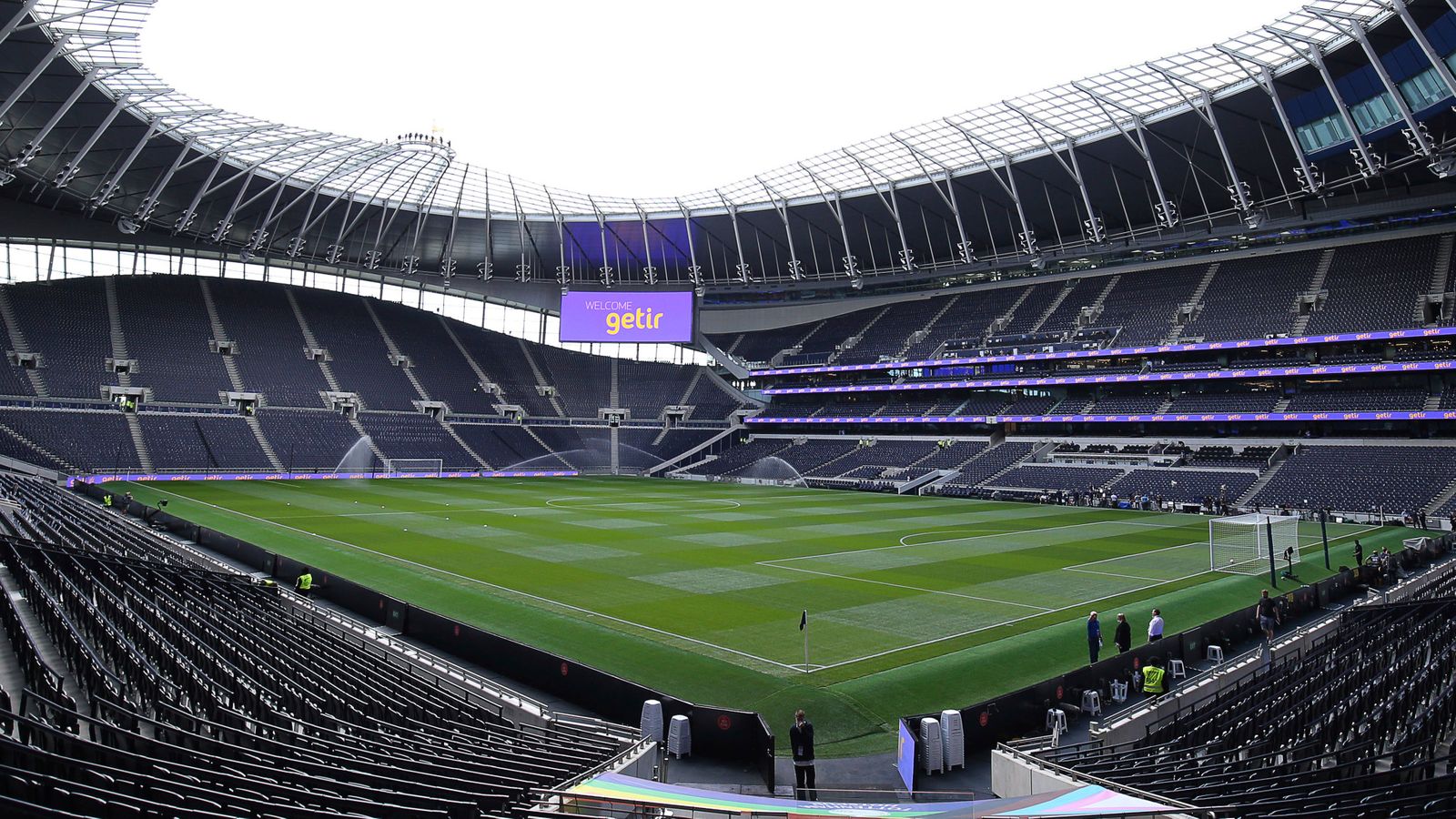
The Valley is one of English football’s most distinctive grounds. Its deep bowl shape amplified atmosphere but also required constant maintenance. When Charlton left the stadium in the 1980s due to safety and ownership issues, it fractured the bond between club and supporters.
Returning home in 1992 felt like a rebirth, but the scars lingered.
4. The 1980s Nearly Ended Everything
Financial mismanagement and stadium disputes pushed Charlton to the brink. They ground-shared, slid down divisions, and faced existential threats. Few clubs survive this sort of decade intact. Charlton did, but the cost was long-term instability and a cautious financial culture that later limited ambition.
5. The Premier League Years Were Earned, Not Bought
Charlton’s late-1990s revival was built patiently. Promotion came through the play-offs, not lavish spending. Under Alan Curbishley, the club developed a reputation for discipline, fitness, and smart recruitment rather than star names.
6. Charlton Were Quietly One of the Premier League’s Steadiest Sides
Between 2000 and 2007, Charlton were not relegation fodder. They finished mid-table repeatedly, even qualifying for Europe via the Intertoto Cup. This era is often forgotten because it lacked glamour, but stability at that level is rare.
Premier League finishes 2000–2007
| Season range | Average finish |
|---|---|
| 7 seasons | 11th |
For a club of Charlton’s size, this was overperformance.
7. The Fall Began With Small Decisions, Not One Collapse
The decline did not come from a single disaster. Gradual recruitment missteps, rising wage pressure, and a shift away from the club’s proven model eroded margins. Relegation in 2007 felt sudden to outsiders but looked inevitable in hindsight.
8. Ownership Turmoil Undermined Recovery
Post-Premier League, Charlton cycled through ownership groups with competing visions. Short-term thinking replaced long-term planning. Managers came and went. Promotion challenges stalled. Supporter trust eroded again, echoing the instability of the 1980s.
9. Rivals Moved On While Charlton Treaded Water
Historic rivalries highlight the gap that opened.
Head to head league record (all competitions)
| Opponent | Played | Charlton wins | Draws | Opponent wins |
|---|---|---|---|---|
| Millwall | 95 | 37 | 25 | 33 |
| Crystal Palace | 109 | 41 | 31 | 37 |
| West Ham United | 78 | 23 | 18 | 37 |
While rivals modernised stadiums, squads, and revenue streams, Charlton struggled to keep pace.
10. The Club’s Ceiling Is Still Higher Than Its Current League
Charlton’s support base, London location, and history suggest a club capable of Championship stability at minimum. The challenge is alignment. Ownership, recruitment, and identity must pull in the same direction. Charlton’s history shows they thrive when grounded and patient, and falter when chasing quick fixes.
Final Thoughts
Charlton Athletic’s story is not one of reckless excess or sudden implosion. It is a cycle shaped by context, timing, and governance. Their rise came from discipline and unity. Their fall followed fragmentation and uncertainty. The ingredients for another rise remain, but history suggests it will only come the hard way, again.
If Charlton do climb back, it will not feel like a miracle. It will feel familiar.