



























Your Summer Flight Just Got More Expensive. The Iran War Is Why — and the Worst May Not Be Over
EBM Newsdesk Analysis
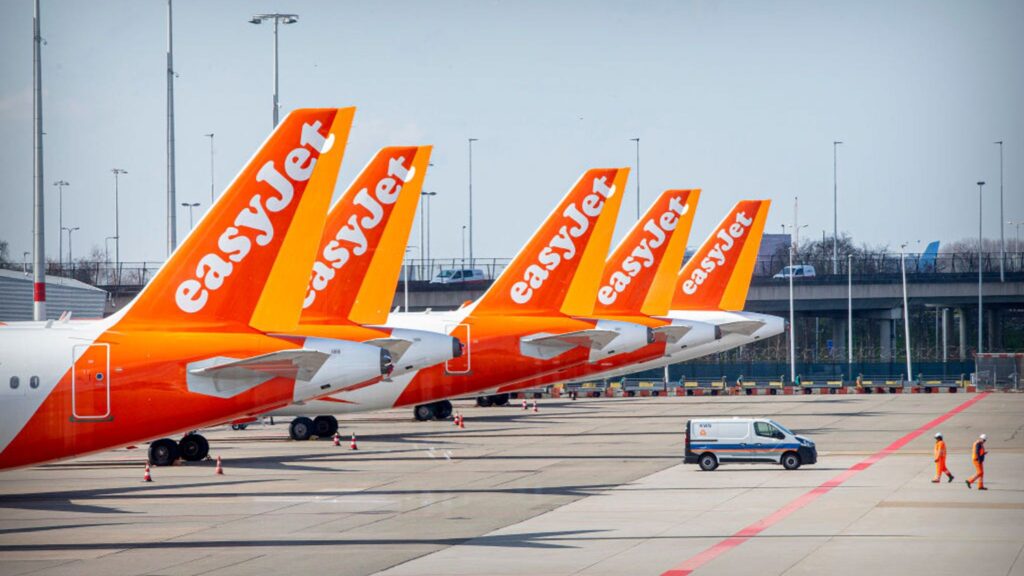
20 May 2026. EasyJet is raising ticket prices. The budget carrier — which built its entire business model on the proposition that flying should be cheap — has confirmed it is passing higher jet fuel costs on to passengers following a period in which it absorbed what it could not pass on. The airline took on approximately £25 million in additional fuel costs in March alone as global oil prices soared in the immediate aftermath of the Iran conflict’s outbreak. Now, with oil remaining above $110 per barrel and the Strait of Hormuz still effectively closed, the ability to absorb further costs has reached its limit. The price increases are coming. The question is how large and how long.
The Fuel Numbers That Explain Everything
Jet fuel is an airline’s second-largest operating cost after labour. Before the Iran conflict began in late February, US jet fuel was trading at approximately $2.50 per gallon. By early April it had reached $4.88 per gallon — a 95% surge in approximately five weeks. At its peak, prices briefly touched the $150-200 per barrel range that several carriers described as catastrophic for route economics.
United Airlines CEO Scott Kirby put the scale of the problem plainly in a memo to employees: “Jet fuel prices have more than doubled in the last three weeks. If prices stayed at this level, it would mean an extra $11 billion in annual expense just for jet fuel. For perspective, in United’s best year ever, we made less than $5 billion.” That arithmetic — additional fuel costs exceeding total peak profitability — explains why every major carrier globally has been forced to act.
EasyJet’s response has been structured and transparent. The airline hedged 70% of its summer fuel requirement at $706 per metric ton — a price locked in before the conflict began. That hedging decision has proven prescient, protecting the majority of its summer cost base from the worst of the surge. But the remaining 30% remains exposed to spot market prices, with every $100 movement in jet fuel equating to £40 million of additional costs in the second half of 2026. At current prices, that exposure is material. Hence the ticket price increases.
A Global Industry Under Pressure
EasyJet is not alone. The airline industry’s response to the Iran-driven fuel shock has been rapid and consistent across geographies. Qantas, SAS, and Air New Zealand announced fare increases within days of the conflict beginning. Cathay Pacific and Singapore Airlines raised ticket prices on certain routes by as much as 200%. Hong Kong Airlines increased fuel surcharges by up to 35.2%. Air Canada and WestJet raised fares and implemented new fuel surcharges. United Airlines cut approximately 5% of planned routes, pruning what CEO Scott Kirby described as “flying that’s temporarily unprofitable.”
American Airlines CEO Robert Isom quantified the damage at the JP Morgan Industrials Conference: roughly $400 million in additional fuel costs in a single quarter versus previous expectations. Delta had previously estimated that a one cent per gallon increase in fuel costs added $40 million per year to its expense base. At the scale of the current price movement, those numbers become billions, not millions.
For European carriers, the situation carries an additional complication. The Iran conflict has not only driven fuel costs higher — it has disrupted routing, forced cancellations of services to Gulf destinations, and extended flight times on routes that previously transited airspace now avoided. British Airways cancelled all Abu Dhabi services through most of the year. Every additional flight hour burns additional fuel, compounding the cost of the price increase itself.
Summer Travel: What Passengers Should Expect
The consumer consequences are arriving at the worst possible moment — immediately ahead of the European summer travel season, the highest-demand period of the year for both leisure and business travel.
Analysts estimate summer airfare increases of more than $100 per ticket on routes where airlines have significant unhedged fuel exposure. The impact is most pronounced on long-haul international flights, which burn more fuel and where the per-passenger fuel cost is largest. Short-haul European routes — EasyJet’s core market — face smaller absolute increases but significant percentage moves on ticket prices that were already at thin margins.
The critical variable is demand. United Airlines noted that passenger demand “remains the strongest we’ve ever seen” despite the fuel crisis — suggesting that consumers are absorbing higher fares rather than cancelling summer travel plans in meaningful numbers. That demand resilience gives airlines the commercial cover to pass through cost increases rather than absorbing them. If demand softens — which rising ticket prices and the broader consumer squeeze from energy-driven inflation could eventually produce — the arithmetic changes and airlines face both higher costs and lower yields simultaneously.
The Good News — Limited
There is one partial positive. IATA data showed jet fuel prices fell 13.72% in the week ending May 15 compared to the previous month’s average — a reflection of the UK’s decision to soften Russian oil sanctions and of modest diplomatic progress on Iran. EasyJet’s CEO Kenton Jarvis cited the airline’s £4.7 billion in liquidity and investment-grade balance sheet as providing resilience to navigate the current environment. The airline is not in crisis. It is managing.
But the structural problem remains. Until the Strait of Hormuz fully reopens and oil falls sustainably below $100 per barrel, jet fuel will remain significantly above pre-conflict levels. Every week of continued closure extends the damage. EasyJet’s summer hedges expire. The unhedged portion grows. And the ticket price increases that have already been announced may not be the last.
Related Analysis
The post Your Summer Flight Just Got More Expensive. The Iran War Is Why — and the Worst May Not Be Over appeared first on European Business Magazine.