




















Xi Opened China’s Doors to Trump’s CEOs But Europe Missing Again
EBM Newsdesk Analysis
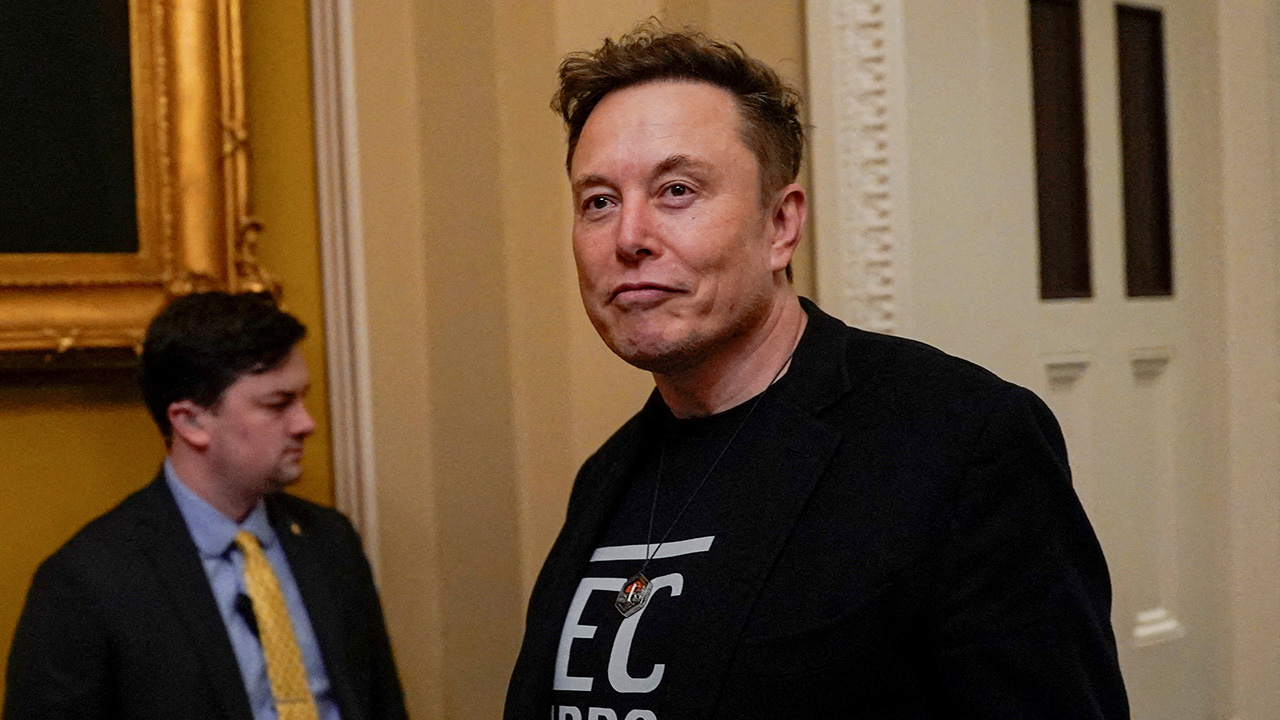
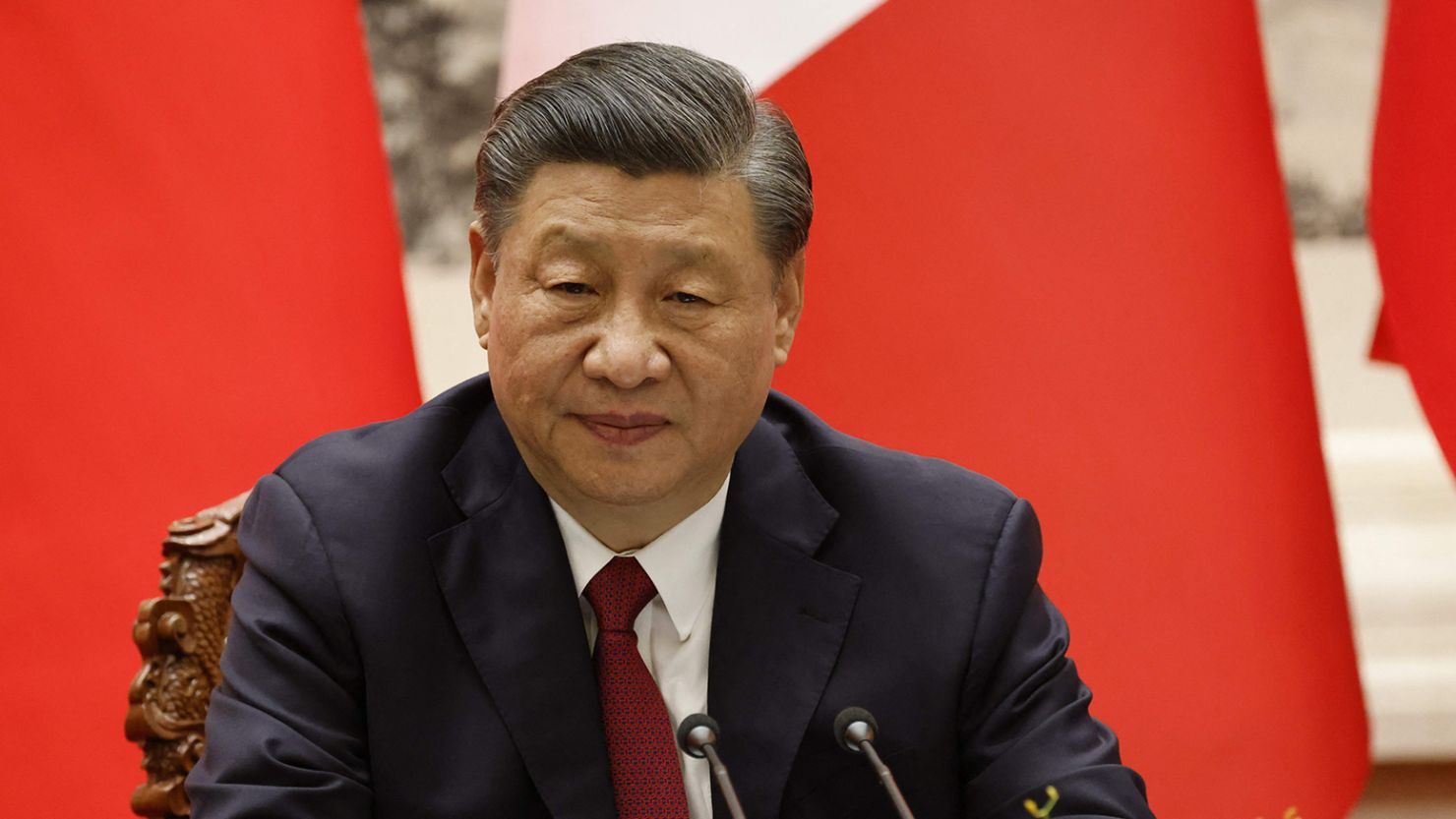
May 14, 2026 — Chinese President Xi Jinping told the chief executives of Apple, Tesla, Nvidia, Qualcomm, Micron, Coherent and Illumina — all members of the delegation accompanying Donald Trump on his first state visit to Beijing — that China would “open wider” to American technology investment, in a meeting at the Great Hall of the People on Thursday. The pitch was deliberate, choreographed and audience-specific. The CEOs are the people who lobby Washington for export-control relief, and Xi has handed them the talking point that Beijing will reward American access with Chinese opportunity. Apple’s Tim Cook, Tesla’s Elon Musk and Nvidia’s Jensen Huang — flown in on Air Force One after Trump personally intervened — each received bilateral time with Xi.
No European CEO was in the room. The “wider opening” is not a generalised invitation; it is a strategic concession engineered to reduce US political support for the export-control regime, while leaving European industry on exactly the same terms — or worse — as it operated under last week. Brussels was not consulted, briefed or referenced. Europe is the market being negotiated around, not with.
What “open wider” actually means
The phrase is not new. Xi has used it repeatedly since 2018 — at the China International Import Expo, at Davos, at the Boao Forum. The audience has always been Western capital. The pattern has been the same: a high-profile address promising market access, followed by quiet implementation reversals on the ground.
What is different this time is the delivery mechanism. Xi made the promise in person, in private, to the seven US executives whose companies generate the most political pressure on the Trump administration’s export-control regime. Apple’s China exposure is roughly $70bn in annual revenue. Tesla’s Shanghai gigafactory produces half its global output. Nvidia’s China revenue, currently at zero under existing controls, could re-emerge at $50bn if controls soften even modestly.
Europe is the structural loser
The arithmetic for European business is brutal. The same Chinese market that Xi is opening wider to American chipmakers is the market where European chip giant ASML is most heavily exposed — and ASML cannot reciprocate. The Dutch government’s export controls on advanced lithography to China, imposed under sustained US pressure, remain unchanged. ASML is operating under restrictions that the very deal being negotiated this week may quietly relax for Nvidia.
The European automotive sector is in a parallel bind. BYD and CATL are flooding European markets with EVs and batteries while Volkswagen, Stellantis and Renault have lost most of their Chinese market share. Trump’s Beijing agenda is silent on European access. The bloc’s €200 billion EV investment programme is being undermined in real time by a bilateral conversation it is not party to.
The pattern, repeated
This is the third major bilateral in two weeks that has structurally excluded Europe. Trump’s Iran ceasefire conversations, the Warsh Fed appointment that reshapes global monetary policy, and now the Xi-Trump Beijing summit that determines AI chip access — all decided without European participation, all generating consequences European business will absorb directly.
Philippe Aghion’s argument last week — that Europe should stop pretending it has 27 equal partners and build a smaller, willing core able to negotiate at the speed of Washington and Beijing — looks sharper at every turn. The EU’s June Council will face questions it has spent five years avoiding: whether to formalise the multi-speed approach, whether to seek a parallel European bilateral with Xi, whether to accept structural decline as the price of consensus.
What Europe should do now
Two concrete moves, neither requiring unanimous EU consent. First, individual member state CEO diplomacy — Friedrich Merz, Emmanuel Macron and Pedro Sánchez should each be in Beijing within the next sixty days with their own corporate delegations. The model is not bloc consultation; it is the Trump model, simply scaled to the national leader rather than the union. Second, the Commission should immediately initiate a review of Europe’s industrial dependency on Chinese imports, framed explicitly around the access asymmetries this week has now codified.
Xi opened China for the people on Air Force One. Europe needs to be on the next plane.
Related Analysis
- Nvidia’s Huang Boards Air Force One as Trump Heads to China
- Europe’s Nobel Economist Just Told the EU to Stop Pretending It Has 27 Equal Partners
- Europe Just Hit €200bn in EV Investment — and Still Imports Two in Three Batteries from China
The post Xi Opened China’s Doors to Trump’s CEOs But Europe Missing Again appeared first on European Business Magazine.