



























Why Southern Asia Should Be On Your Travel List
Southern Asia offers a complete mix of culture, nature, food, and warm hospitality. Travelers who are visiting the region for the first time will discover lively markets, old temples, wide coasts, plus a pace that feels unlike anything elsewhere for most visitors. The region surprises visitors with a rare mix of simplicity plus depth that offers a fresh pause. Each country holds its own identity, yet travelers notice a shared charm that leaves every trip vivid.
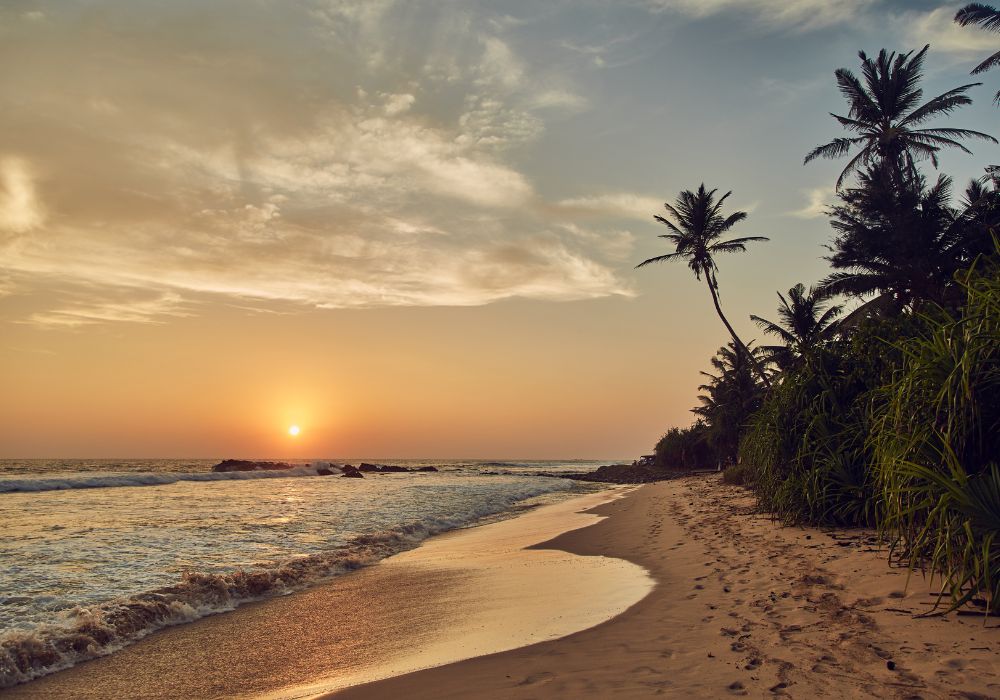
Travelling through Southern Asia takes you through very different landscapes and ways of life. In India your experience will be very much about busy local markets and long held traditions. Whereas the pace and everyday rituals of Sri Lanka feel much slower and the landscape offers lots of coastline to explore. Nepal is altogether different again, with a largely mountainous landscape and tight but welcoming communities.
Cultural Depth That Shapes Every Experience
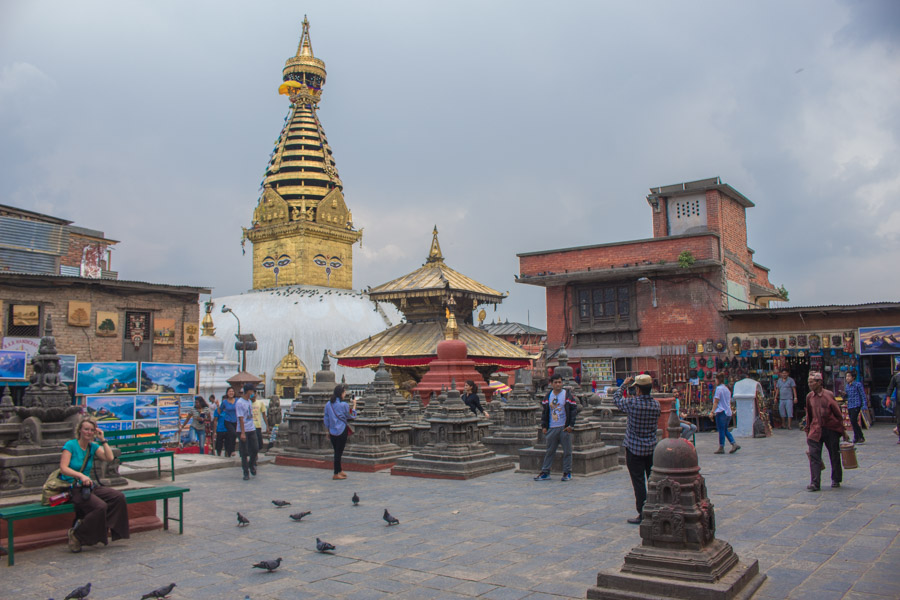
Southern Asia protects deep cultural layers that shape daily life across its countries. Every temple visit or heritage walk reveals values that have been passed down through families for generations. India’s festivals fill streets with color and sound. Sri Lanka’s ancient cities show stories carved into stone that still guide local tradition. Nepal’s spiritual roots offer peace in quiet courtyards or mountain towns.
Travelers feel close to culture because locals share real stories with pride. These moments give insight that turns regular trips into personal learning. Each region holds unique traditions, yet travelers sense a gentle rhythm that connects them. Cultural depth becomes one of the strongest reasons the region stays in memory long after the journey ends.
Natural Beauty Across Southern Asia
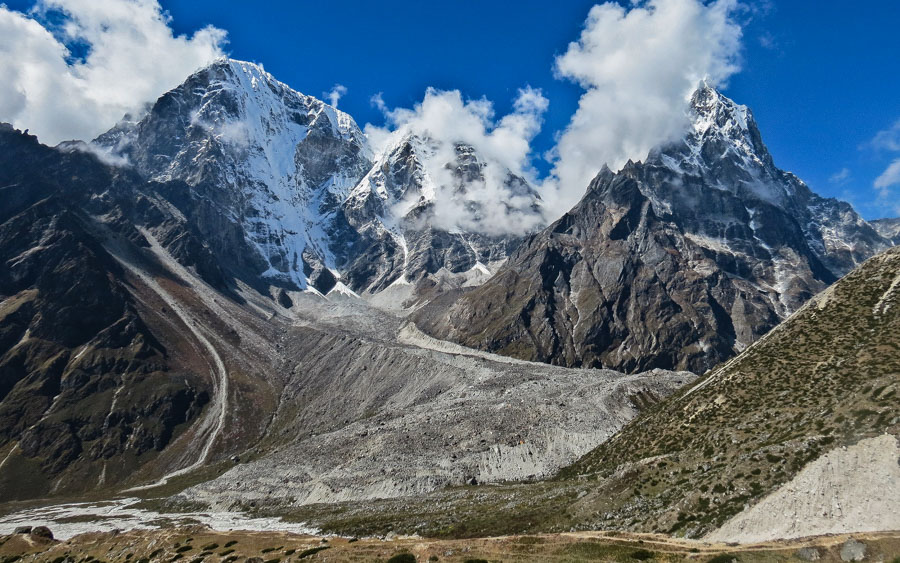
Southern Asia scenery is extremely varied between the countries. People who love nature will find valleys, beaches, lakes, hills, and mountains all in one region. India’s Western Ghats has green routes that are packed full of wildlife and waterfalls. Sri Lanka’s coastlines offer calm corners where ocean waves feel steady. Nepal’s Himalayan range gives majestic views that feel unreal.
These landscapes help visitors slow down and reset. Nature stays accessible without difficulty for most travelers. Scenic spots remain close to towns, yet they feel far from noise. The area’s natural charm makes each day outdoors feel refreshing. It is a simple fact that the natural beauty across the region feels endless because it just never stays the same for long.
Best Ways to Explore the Region
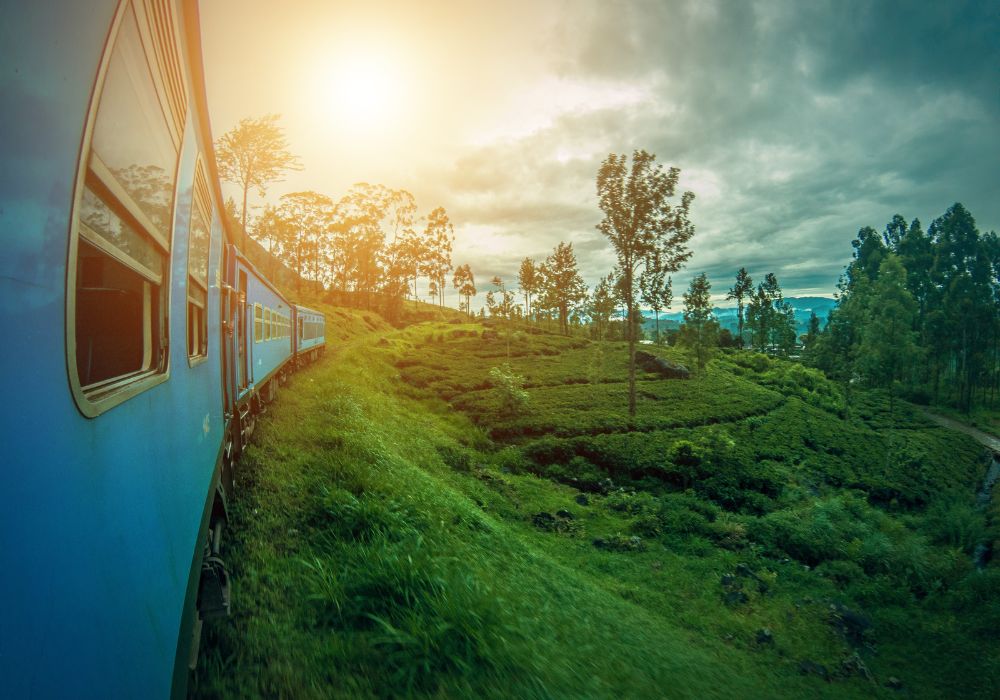
To create a smooth trip, there are a few simple exploration habits that travelers should follow in Southern Asia. Local trains help people move between cities at a steady pace. They offer clear views of daily life outside urban areas. Ferries help travelers connect islands or coastal towns with ease. Short domestic flights reduce long road hours when routes seem too wide.
Travelers gain comfort by selecting central stays near markets or transit routes. This cuts the stress that comes from heavy traffic in busy hubs. It helps visitors reach key attractions without delay. Clear planning supports a flexible trip, and it keeps long days from feeling rushed. Southern Asia rewards travelers who create balanced routes.
Food Journeys That Become Travel Highlights
The cuisine shapes the identity of Southern Asia and gives travelers a direct window into community life. Food in India shows bold spices in every meal, whereas by comparison Sri Lanka offers coastal dishes rich in flavor with light textures. Nepal delivers warm soups and dumplings that feel comforting on cool days. Street markets bring fast snacks with local character. Meals across the region feel not only truly homemade but also full of memories.
This is because families pass recipes through generations, and so each dish carries a small story. Travelers will truly appreciate meals that balance cost, flavor, and comfort. Food discovery becomes a highlight because every stop feels different. New tastes appear in each town. Curious visitors gain more joy from local kitchens than from heavy restaurant schedules. Food remains a key reason many travelers return to the region.

Connectivity Tools That Improve Every Trip
Smooth travel across Southern Asia feels easier with solid prep plus digital tools and many visitors use Asia eSIM plans. Having online access keeps maps, translation apps, and booking tools active throughout the day. It removes any worry about unstable Wi-Fi networks in small villages or mountainous zones. Travelers also feel more secure with a direct line to emergency services or local contacts.
Quick access to currency rates helps when moving between markets. Online guidance makes it easier to check weather changes before long routes. Good connectivity raises confidence and reduces confusion in unfamiliar streets. A stable data plan becomes an essential tool for modern exploration in the region.
Regional Diversity That Enriches Travel
Southern Asia offers a variety that feels endless. Sri Lanka shows beaches, wildlife parks, and tea estates. India reveals fort cities, deserts, and dense forests. Nepal offers mountain trails, lakeside towns, and spiritual centers. Visitors shift between these environments without large gaps in travel time.
This diversity lets travelers design personal routes with ease. Some focus on nature. Others seek culture, adventure, or relaxation. Every mood finds a suitable place in this region. Many enjoy how quickly the scenery changes because it makes each day feel new. Diversity strengthens the region’s charm and brings energy to long trips.
Warm Hospitality and Social Connections
Southern Asia leaves a strong impression through its people. Visitors notice kindness from the moment they enter local cafés, markets, or bus stops. Locals answer questions with real patience. Small interactions create comfort in unfamiliar settings. Many travelers recall long talks with hosts or shopkeepers more clearly than large attractions.
Social connection becomes part of the journey. It adds heart to daily plans and breaks the stress that comes from travel routines. The region’s welcoming nature makes visitors feel safe and included. Hospitality does not feel forced. It grows naturally from culture. This creates a steady sense of belonging during each trip.
Affordable Travel Options for Long Trips
Southern Asia supports longer journeys due to reasonable prices. Accommodation remains accessible across most cities and towns. Food stays affordable even in popular tourist areas. Public transport reduces travel stress without high fees. Backpackers enjoy this freedom, but families also feel comfortable with manageable daily budgets.
Attractions rarely carry high charges, and many outdoor spots stay free. This creates space for deeper exploration without financial tension. Visitors can extend routes, add extra stops, or revisit favorite places. Affordability strengthens the region’s appeal for slow travel. Budget-friendly choices allow travelers to enjoy full experiences without rushing home.
Rich Heritage Sites That Reflect Deep History
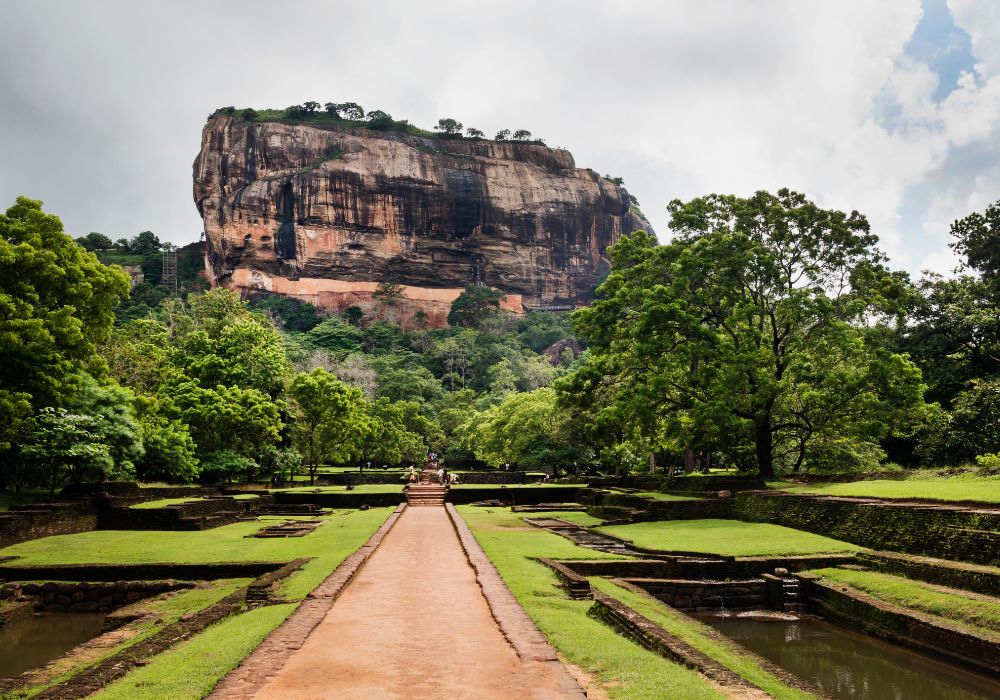
Southern Asia protects some of the world’s oldest heritage zones. India holds UNESCO sites that mirror empires, trade routes, and cultural shifts through centuries. Sri Lanka presents ancient cities carved with symbolic detail. Nepal is more about shrines and royal squares that display a truly timeless craftsmanship.
Travelers who enjoy history find value in each step through these places. Every stone, carving, or structure tells a quiet story. Including heritage sites in your itinerary will add depth to travel days but also bring an emotional side to the journey. Visiting these locations help visitors understand how communities have evolved across generations, allowing them to form a meaningful link between the past and present.
Wildlife Encounters That Stay in Memory
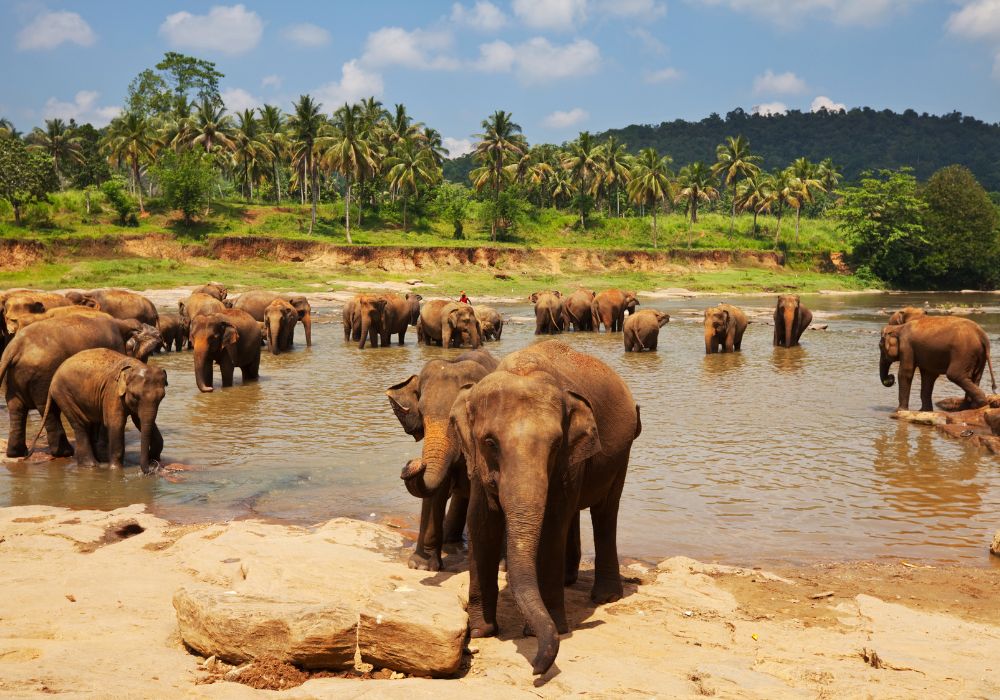
Wildlife plays a huge role in Southern Asia’s outdoor appeal. Sri Lanka’s national parks have elephants, leopards, birds, and wide grasslands. In India there are tiger reserves and wetlands full of migratory species. While Nepal introduces travelers to peaceful forest trails and mountain wildlife. There are plenty of guided safaris available to help people view animals safely.
These experiences connect visitors with nature at a personal level with wildlife encounters inspiring respect for all of the conservation efforts across the region. They also bring quiet moments of reflection with nature feeling close and powerful. Many travelers rank wildlife encounters among the most memorable parts of their trip also.
Traditional Crafts That Carry Local Identity
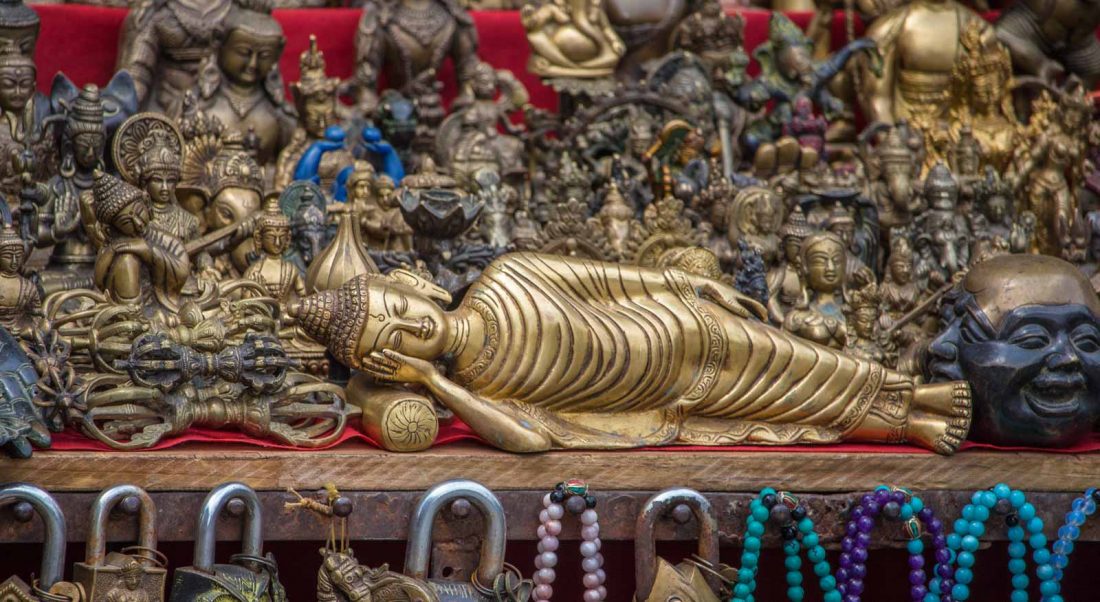
Crafts in Southern Asia reflect generations of skill. India’s textiles are known for handwoven patterns with natural dyes, Sri Lanka’s woodcraft carries the most intricate detail, while Nepal’s metalwork and pottery hold really deep symbolic meaning. Visitors can enjoy watching artisans at work in markets or workshops knowing that the crafts help communities preserve their cultural identity.
They also offer meaningful souvenirs that support local creators and their families. Many travelers leave with a deeper respect for regional artistry and buying handmade items becomes more than shopping. It feels like connecting with local heritage in a direct and personal way.
Festivals That Color the Travel Experience
Festivals across Southern Asia shape the mood of entire cities. India celebrates Diwali with lots of lamps and vibrant decor. Sri Lanka fills the air with music during its cultural parades such as Kandy Esala Perahera. Nepal brings communities together through seasonal rituals that honor nature and tradition like Dashain’s Tika for blessings.
Travelers who experience these events gain more insight into local values. Festivals change the rhythm of streets and highlight cultural depth. Visitors feel included when locals readily and openly share food or stories. These celebrations make trips more meaningful and more lively.
Adventure Routes for Curious Travelers
Southern Asia suits travelers who enjoy active routes. India presents desert treks and river rafting zones. Sri Lanka offers surf beaches and rainforest walks. Nepal remains ideal for mountain trails that suit different skill levels. Adventure routes bring excitement without extreme difficulty. Guides are on hand to help travelers prepare for weather, terrain, and timing.
Active days balance well with calm evenings in villages or coastal towns. These routes create memorable moments that push travelers gently beyond comfort. The adventure allows you to add a vibrant layer to the region’s appeal.
Local Markets That Capture Authentic Life
Markets reveal the pulse of Southern Asia. India’s bazaars display fabric, spices, jewelry, and handmade goods. Sri Lanka’s coastal markets sell fresh produce and local crafts. Nepal’s town squares offer unique art, tasty snacks, and daily necessities. These spaces show the real community life and travelers can enjoy slow walks through the stalls and passing conversations with vendors.
Markets give a true first hand insight into local habits and tastes. They also create chances to buy meaningful items that keep you feeling connected to the region long after you’ve left. Market visits enrich the travel experience with color, sound, and culture and should definitely not be missed.

Slow Travel That Matches the Region’s Rhythm
Southern Asia is one of those places that rewards travelers who take their time. Rushing through countries reduces the joy of discovery. Slow travel allows visitors to understand each place at a deeper level. It’s those extra days spent in towns because of a connection made with locals.
Calm routes really do inspire better conversations and better memories. You can of course try to visit on quick tours, but long stays reveal details and give experiences otherwise missed. This travel style suits the gentle rhythm of Southern Asia and makes each trip more fulfilling.
Tips Before You Plan Your Travel to Asia
- Research the climate of each country on your route. Weather shifts fast across Asia. Hot seasons, monsoons, and high-altitude cold matter for packing.
- Check visa rules early. Some countries offer a visa-on-arrival, while others require online applications. Processing times differ, so set reminders.
- Book flights with flexible dates. Prices change daily, and mid-week departures may give more value. Flexibility supports smoother planning.
- Set a basic route before booking hotels. Asia has wide distances between cities, so plan a logical path to avoid backtracking.
- Review safety guidelines for each region. Read local advisories and city-specific tips. Awareness helps you move with more confidence.
- Buy a reliable Asia eSIM before your trip. Strong connectivity helps with maps, translations, and emergency access. It also avoids airport SIM delays.
- Compare exchange rates from trusted apps. Some airports have high fees. Street exchange counters vary, so check spread rates.
- Learn a few basic phrases in the local language. Simple greetings show respect. Locals appreciate the effort and respond warmly.
- Study local customs. Asia values politeness and cultural respect. Dress rules differ across temples, markets, and rural areas.
- Plan your budget with a buffer. Many costs stay low, but entrance fees, tours, and intercity travel add up. A reserve prevents stress.
- Check transportation options. Some cities rely on trains, while others depend on tuk-tuks or ferries. Knowing this cuts the confusion on arrival.
- Download offline maps. Connectivity varies in mountain regions or small islands. Offline tools keep you on track.
- Choose accommodations near public transit. This reduces travel time and helps you explore more in one day.
- Pack modest clothing for religious sites. Temples, shrines, and cultural zones expect covered shoulders or legs.
- Bring a small first-aid kit. Pain relief, bandages, and motion-sickness tablets help during long journeys.
- Plan time for rest days. Asia offers intense sensory experiences. Breaks help you enjoy more without burnout.
- Respect wildlife guidelines. Some regions have strict rules for safaris or mountain treks. Follow those to stay safe.
- Check festival calendars. Crowds grow quickly during major holidays, and prices rise. Planning ahead avoids frustration.
- Carry a power adapter that fits Asian plugs. Many countries use different socket types.
- Keep digital copies of all documents. Passports, visas, and bookings should be backed up securely.
Southern Asia stands out as a destination full of beauty, culture, and memorable moments. Its landscapes, traditions, food, and warm communities pull travelers in with real curiosity. The region offers comfort through simple moments that stay vivid.
Modern digital tools keep travel smooth. Careful prep turns each route into a steady journey. Welcoming people lifts the spirit in quiet ways. Rich history gives depth to every visit. Flexible travel choices create freedom to move at a personal pace. The region becomes a place worth visiting at least once, but many travelers come back for more.
The post Why Southern Asia Should Be On Your Travel List appeared first on Goats On The Road.