


















Why Erratic energy prices are keeping investors on edge

The oil market is not settling. It is convulsing.
In the past 24 hours alone, Brent crude has swung from $83 a barrel to $94 and back to around $90 — a $10 range in a single session that reflects not just uncertainty about supply, but genuine market panic about how long this war lasts and how much worse it gets before it ends.
The FTSE 100 fell back in early trade as investors processed the implications. For a global economy that had barely absorbed the first shock of the Iran war’s outbreak, the realisation that there is no quick resolution in sight is landing hard.
Aramco Sounds the Alarm
Saudi Aramco CEO Amin Nasser used an earnings call to deliver one of the starkest warnings yet from inside the industry. This is, he said, the biggest crisis oil and gas producers have ever faced. The consequences for the global economy would be catastrophic — and would become more severe the longer the conflict continues.
Those are not the words of a chief executive managing expectations. They are the words of someone watching the most significant supply disruption in recorded history unfold in real time.
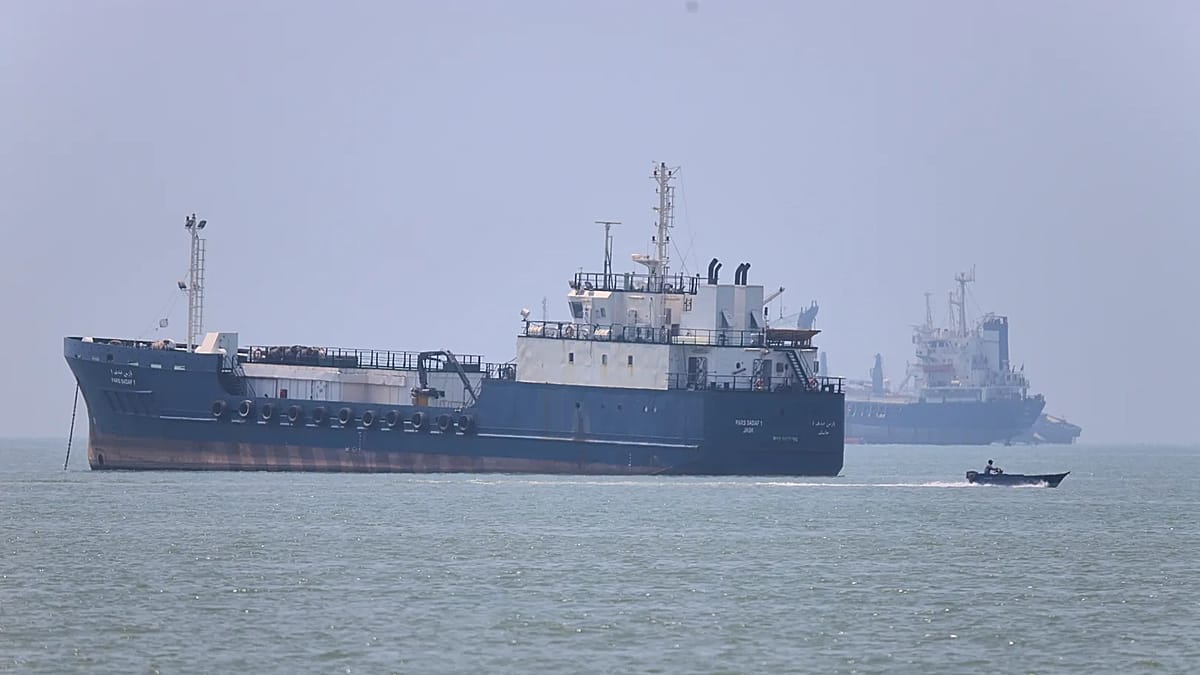
The physical picture supports the alarm. The Strait of Hormuz remains effectively impassable. Storage facilities across the region are filling rapidly as landlocked production has nowhere to go. Iran’s Revolutionary Guard has renewed its vow to destroy any vessel attempting the passage — and President Trump’s pledge to escort shipping through the channel is proving unworkable at the scale required. The US military has destroyed a fleet of Iranian mine-laying ships, but attacks on allied vessels are continuing, and shipping companies are drawing the only rational conclusion: stay away until there is a resolution.
The Everything Price Shock
The disruption to Gulf energy infrastructure is now feeding through into prices across an extraordinarily wide range of goods and services. Fuel. Energy. Freight. Airfares. Food. The list of sectors facing upward price pressure is not a short one — and the warnings from industry are that the increases are only beginning.
Airlines are already absorbing simultaneous demand destruction and jet fuel cost surges that analysts describe as a worst-case scenario. Freight operators face the same double bind. Consumers at the end of global supply chains will feel the consequences in the weeks and months ahead regardless of how quickly the conflict is resolved — price shocks of this scale do not reverse overnight.
Inflation fears, which had been fading as recently as February, are now front and centre again. And that changes everything for the central banks meeting next week.
The Stagflation Trap
For policymakers, the timing could barely be worse. A raft of central bank meetings is scheduled for next week, and the Iran war has fundamentally altered the calculus for all of them.
Nowhere is the dilemma sharper than at the Bank of England. A rate cut had been widely expected — the UK economy is sluggish, the jobs picture is deteriorating, and the case for easing was building. Now the Monetary Policy Committee is staring at a stagflation scenario: a weakening economy on one hand and resurging inflation on the other. Cutting rates risks inflaming prices. Holding them risks deepening the downturn.
There is no clean answer. UK gilt yields have been climbing as markets price in rates staying higher for longer — a position that puts additional pressure on government borrowing costs, mortgage holders and businesses already operating on thin margins.
The Federal Reserve and ECB face versions of the same problem. Rate cut expectations that had been building for the second half of 2026 are now deeply uncertain. The path back to lower rates runs through a resolution of the Iran war — and right now, nobody can say when that arrives.
Until it does, expect oil to keep swinging. And expect markets to keep flinching every time it does.
The post Why Erratic energy prices are keeping investors on edge appeared first on European Business & Finance Magazine.