































Why Are Tech Earnings Driving Market Optimism Despite US Political Uncertainty?

Quick Answer: Equity markets opened positively with the FTSE 100 gaining and Wall Street positioned for another strong session as investors focus on upcoming Big Tech earnings while downplaying US government shutdown risks. Despite immigration policy tensions and potential federal funding disruptions, market sentiment reflects confidence that political dysfunction won’t derail corporate performance or the broader economic trajectory.
What’s Driving Market Optimism?
Global equity markets have entered a remarkably upbeat phase despite political turbulence in Washington that would typically unsettle investors. The FTSE 100 opened on the front foot, while US stock futures signal another positive trading session—a resilience that reflects shifting investor priorities toward corporate fundamentals over political noise.
The focus has turned decisively toward this week’s anticipated technology sector earnings releases, with Big Tech companies expected to deliver results that could justify elevated valuations and sustain market momentum. Investors are positioning ahead of reports from mega-cap technology firms whose performance increasingly determines broader index direction, given their outsized weighting in major benchmarks.
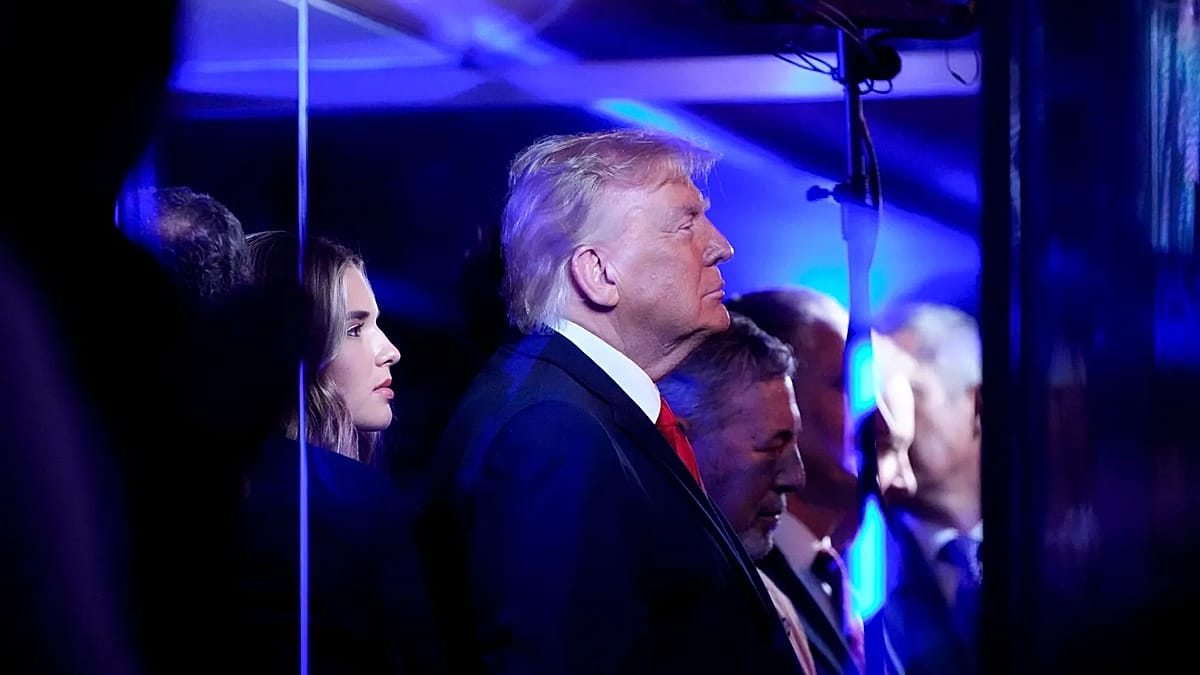
This earnings-focused optimism coexists with ongoing political uncertainty as President Trump appears to be rolling back some of the more extreme immigration policies that caused division and led to threats to withhold federal funding agreements. Democrats and some Republicans have called for investigations into enforcement agent actions, with a top official now expected to leave Minneapolis—the centre of recent protests.
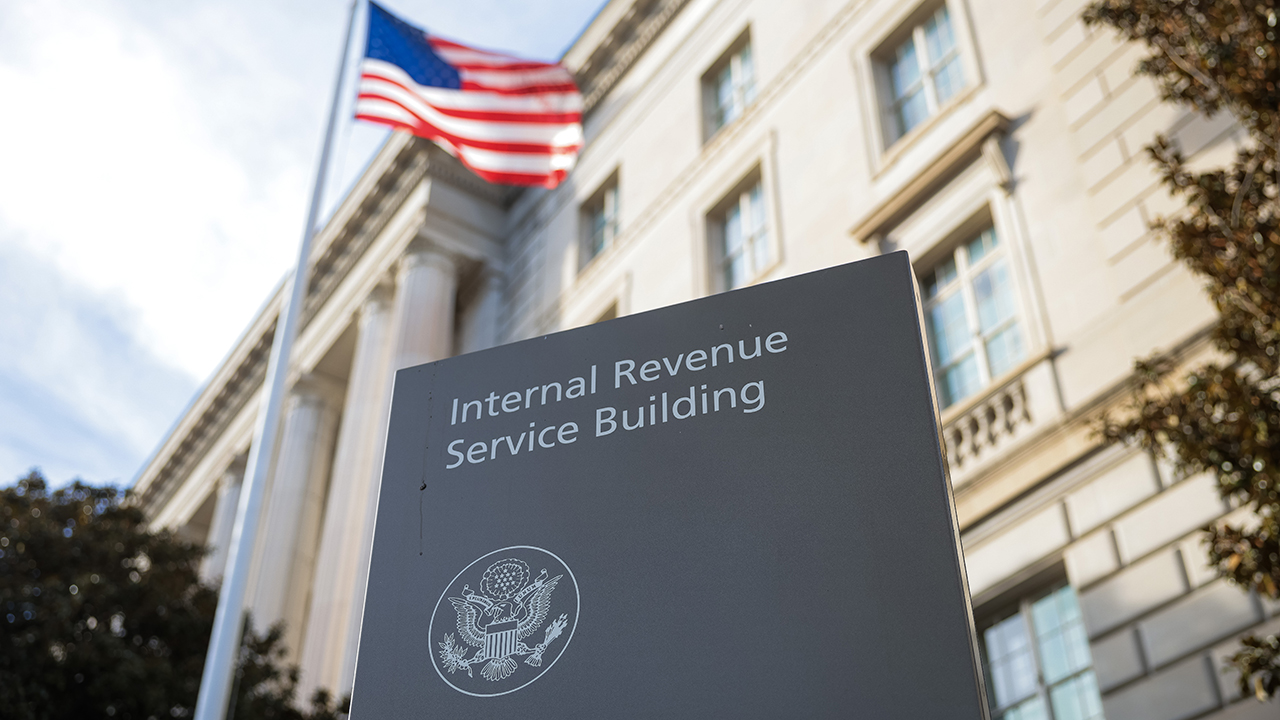
The market’s ability to look past political dysfunction suggests investors have recalibrated their assessment of governance risk. The attitude appears to be “been there, done that” given that autumn’s full government shutdown did not badly rattle markets. This precedent creates confidence that even partial shutdowns represent temporary disruptions rather than systemic threats to economic performance or corporate profitability.
Why Aren’t Shutdown Risks Moving Markets?
Concerns about another US government shutdown continue swirling through Washington, yet equity markets have shown remarkable indifference to the possibility of federal funding disruptions. This disconnect between political drama and market stability reflects several important shifts in investor psychology.
Experience has taught markets that shutdowns rarely produce lasting economic damage. Previous episodes demonstrated that federal workers eventually receive back pay, government contractors absorb temporary disruptions, and economic activity quickly rebounds once normal operations resume. The autumn shutdown reinforced this lesson—markets barely flinched despite dramatic headlines about closed national parks and furloughed workers.
However, the potential shutdown carries one significant consequence that could affect monetary policy: less reliable labour market data. The Commerce Department, which collates employment figures, looks set to be affected by any funding disruption. This would make it more difficult for the Federal Reserve to assess the economy’s temperature and determine the appropriate path for interest rates during a crucial period of policy calibration.
The Federal Reserve’s data dependency makes any disruption to economic statistics problematic. If employment reports become unreliable or delayed due to Commerce Department shutdowns, the central bank must make policy decisions with incomplete information about labour market conditions—one of its dual mandate responsibilities. This uncertainty could force the Fed toward more cautious policy adjustments, potentially extending the current restrictive stance even if underlying conditions warrant cuts.
What’s Happening with Precious Metals?
Gold’s rampant run-up has taken a breather but continues trading near record levels above $5,000 per ounce, while silver stumbled in its rapid streak before heading back toward recent highs around $109. The precious metals rally reflects more than temporary safe-haven demand—it signals structural shifts in how investors view monetary assets and store value amid geopolitical uncertainty.
Silver’s performance particularly intrigues analysts because the metal benefits from dual demand drivers that gold lacks. As well as serving as a reliable store of value during periods of political and economic uncertainty, silver faces increasing industrial demand particularly from the green energy transition. Solar panels, electric vehicles, and renewable energy infrastructure all require substantial silver content for electrical components.
Supply constraints compound demand pressures. Silver appears structurally undersupplied with mine production growth remaining weak, partly due to rising costs throughout the mining industry. Unlike gold, which is primarily mined for its own sake, most silver comes as a byproduct of copper, lead, and zinc operations. This means silver supply doesn’t respond as directly to price signals—even at $109 per ounce, miners can’t simply open dedicated silver mines to meet demand.
The combination of investment demand and industrial consumption creates powerful price dynamics that could sustain silver’s rally even if safe-haven flows moderate. Technology manufacturers must purchase silver regardless of price to maintain production, providing demand floors that pure monetary metals lack. Meanwhile, investment demand adds speculative momentum during uncertain periods.
Why Is Dollar Confidence Eroding?
Safe-haven demand for precious metals shows no signs of falling back significantly as the trend of swapping dollars and US Treasuries for alternative stores of value continues amid what investors perceive as erratic US economic policymaking. This represents a profound shift with long-term implications for global currency dynamics and American financial hegemony.
The dollar’s traditional role as the world’s primary reserve currency depends partly on policy predictability and institutional stability. When US governance appears chaotic—with government shutdown threats, immigration policy reversals, and unpredictable tariff announcements—international investors question whether dollar assets offer the reliability that reserve currency status requires.
This erosion of confidence manifests in multiple ways beyond precious metals allocation. Central banks diversify reserves away from dollar concentration, corporations hold more multicurrency cash positions, and investors demand higher risk premiums for US government debt. Each incremental shift reduces dollar dominance and creates self-reinforcing dynamics where reduced confidence drives further diversification.
The implications extend beyond exchange rates to affect US borrowing costs and monetary policy effectiveness. If international demand for Treasuries weakens as investors seek “more reliable shelters,” the US government faces higher interest expenses on its massive debt burden. Meanwhile, the Federal Reserve’s ability to influence global financial conditions through dollar policy diminishes as the currency’s dominance erodes.
Key Takeaways
✓ Equity markets show resilience focusing on Big Tech earnings despite US government shutdown risks and political tensions over immigration policy ✓ Investors have recalibrated governance risk assessment after autumn’s shutdown barely affected markets, creating “been there, done that” confidence
✓ Precious metals remain elevated near record levels as safe-haven demand persists amid erratic US policymaking and structural supply-demand imbalances ✓ Silver benefits uniquely from both investment flows and industrial demand for renewable energy applications, creating powerful dual price drivers ✓ Dollar confidence erosion continues as international investors increasingly view US assets as less reliable stores of value compared to alternatives
Related EBM Coverage:
- Big Tech Earnings Preview: What to Expect from Mega-Cap Results
- Federal Reserve Policy Challenges Amid Data Uncertainty
- Precious Metals Rally: Gold and Silver Investment Strategies
- US Dollar Reserve Currency Status Under Pressure
The post Why Are Tech Earnings Driving Market Optimism Despite US Political Uncertainty? appeared first on European Business & Finance Magazine.