
















Why Americans Are Paying $15,000 for Tiny Japanese Trucks From Tik Tok
EBM Newsdesk Analysis
On 21 April 2026, short-form video platforms including TikTok, Instagram Reels and YouTube Shorts are generating unprecedented American consumer appetite for cars that cannot legally be purchased in the United States — from Toyota Hilux pickups and Ford Ranger Raptors to Suzuki kei trucks and Volkswagen Golf R variants. US grey-market import specialists report waiting lists extending into 2028 for vehicles becoming eligible under the 25-year import exemption, while dealers in Texas and Florida say enquiries for Japanese-domestic-market vehicles have tripled since January. Federal regulators are beginning to notice. What they have not yet worked out is whether the pressure will eventually force a rule change Washington has resisted for four decades.
 For European and Japanese manufacturers, the phenomenon is a strategic paradox the industry’s old guard has never had to solve. Brands from Peugeot to Lexus now enjoy free organic marketing reach into the world’s largest consumer economy — without the ability to monetise a single sale. The business question becoming unavoidable is whether European manufacturers should lobby for US market access they previously walked away from, or continue to treat American social media demand as a brand-building side effect they cannot invoice.
The 25-Year Rule Meets the Algorithm
The US import framework has sat largely unchanged since 1988. Federal safety and emissions regulations effectively prohibit most foreign-market vehicles from legal American ownership until they reach twenty-five years of age, at which point NHTSA exemptions apply. The rule was designed in an era when most Americans had no visibility into what cars the rest of the world was driving. That era ended somewhere around 2022, when TikTok’s For You algorithm began pushing Australian ute drag races, Japanese touge footage, and European hot-hatch reviews to American feeds at industrial scale. The mismatch is now structural. Consumer desire has been globalised. Vehicle availability has not.
Kei Cars, JDM Imports, and the Grey Market Boom
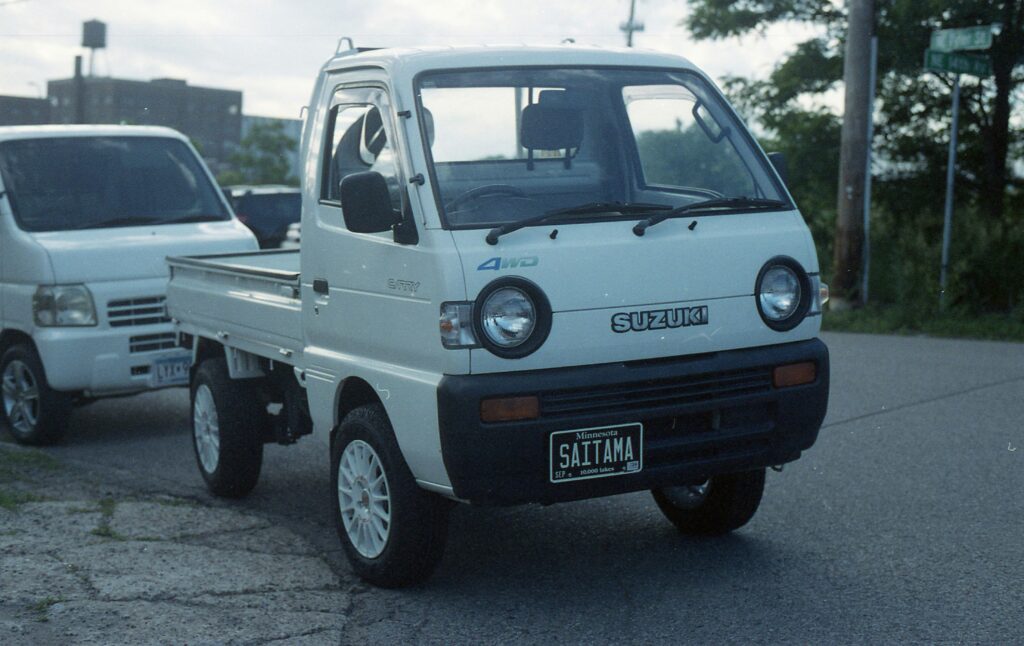
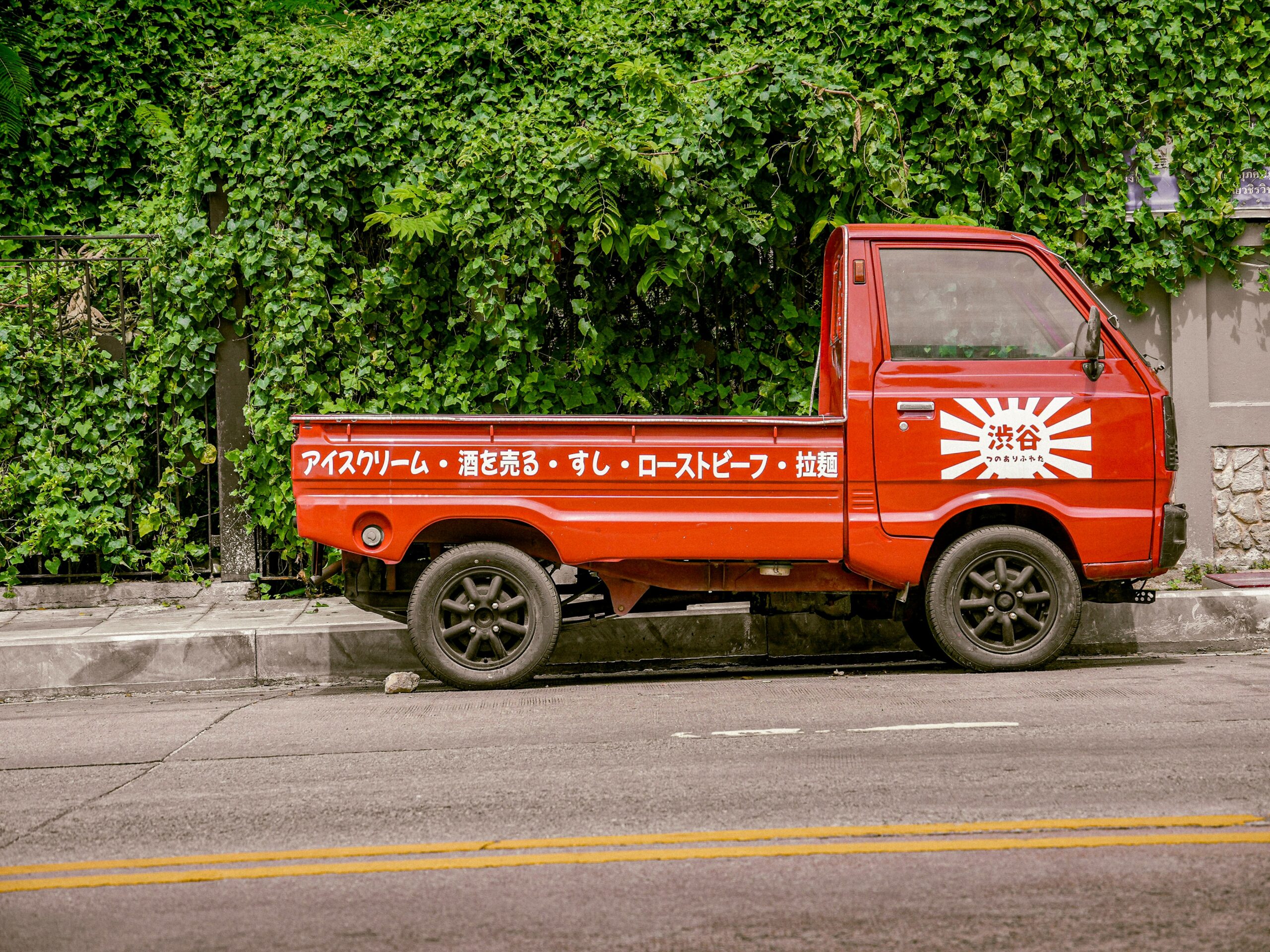
Nowhere is the gap more visible than in the Japanese kei car market — tiny 660cc vehicles built for Japan’s narrow streets and tax-advantaged regulatory category. American buyers, who saw their first kei trucks on TikTok, now pay premiums of 300 per cent over Japanese market prices for imports that qualify under the 25-year exemption. Suzuki Carry and Honda Acty pickups routinely trade for over $15,000 in US markets — vehicles that sold new in Japan for under $8,000 three decades ago.
The grey import sector has responded with industrial efficiency. Specialist firms in Virginia, California and Texas now coordinate container shipping from Japan, the UK and Australia at volumes that were unthinkable in 2019. One Virginia-based importer alone registered over 2,400 JDM vehicles with US state DMVs in 2025, up from under 400 five years earlier.
The European Manufacturer Paradox
For European carmakers, the problem is sharper. Stellantis, Volkswagen Group and Renault all operate vehicles that Americans routinely request and cannot buy — the Peugeot 3008, Dacia Sandero, and Renault Mégane RS among them. Each clip on an American feed generates brand equity the manufacturer cannot convert into revenue. Worse, each clip potentially deepens American consumer preference for vehicles that may never reach the US market at all. The strategic calculation has shifted. Walking away from the US market made sense when American consumers could not see what they were missing. That condition no longer holds.
What Detroit Is Quietly Worried About
The US auto industry’s unspoken concern is that sustained social media demand for foreign vehicles will eventually soften the regulatory walls Detroit has relied on for protection. Ford, General Motors and Stellantis North America benefit structurally from import restrictions that keep Japanese pickups, European hot hatches, and Australian utes out of the American showroom. A generation of consumers raised on TikTok clips of vehicles they cannot buy represents the first meaningful political constituency for import reform in decades. The question is no longer whether social media is changing American car preferences. It is whether Washington will be the last party to notice.
Related Analysis
- Why European Carmakers Walked Away From the US Market
- The Kei Truck Boom: How TikTok Created a Grey Market
- Stellantis, Volkswagen and the European Auto Industry’s American Problem
The post Why Americans Are Paying $15,000 for Tiny Japanese Trucks From Tik Tok appeared first on European Business Magazine.