






















What Are The Vital Next Steps In The EU-Mercosur Trade Deal Saga?
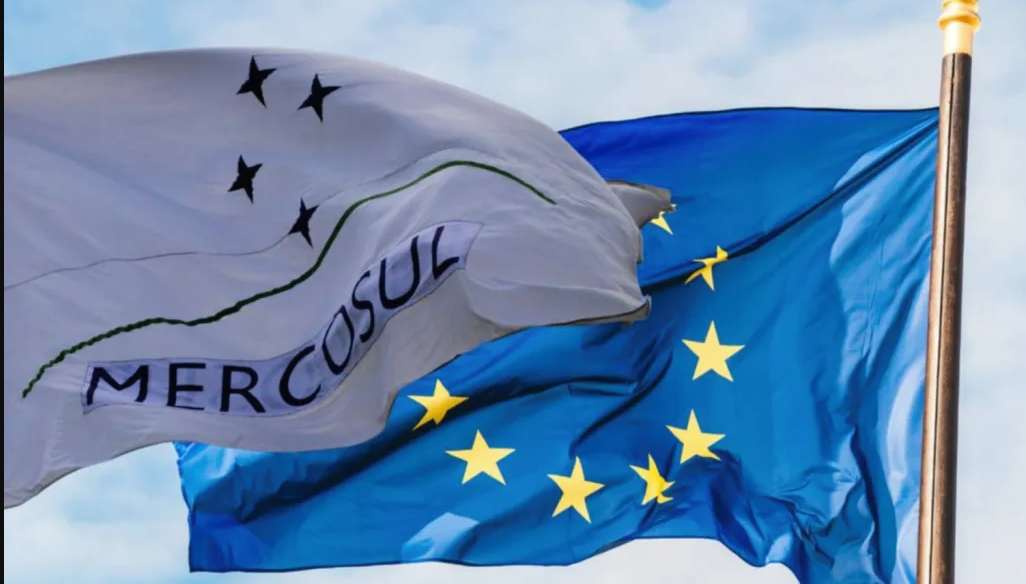
After 25 years of negotiations, the EU-Mercosur trade agreement cleared a major hurdle on January 9, 2026, when EU member states voted 21-5 in favor, with Belgium abstaining. Commission President Ursula von der Leyen is scheduled to sign the deal in Paraguay on January 17, creating what would be the world’s largest free trade zone covering over 700 million consumers. But the drama is far from over.
The Parliamentary Battleground
The signing ceremony marks the beginning, not the end, of this trade saga. The interim Trade Agreement requires approval from the European Parliament, where lawmakers will vote next Wednesday on a resolution calling for the EU’s top court to assess the deal’s legality. Green MEPs Majdouline Sbai and Saskia Bricmont, alongside Manon Aubry from The Left group, have introduced a draft resolution challenging a “rebalancing mechanism” in the agreement that would allow Mercosur countries to take compensatory measures if future EU laws reduce their exports to Europe.
If the European Court of Justice rules parts of the agreement illegal, negotiations would have to restart—despite the Commission spending a quarter-century hammering out the current terms. French President Emmanuel Macron has made clear that “the signing of the agreement does not mark the end of the story,” signaling Paris’s determination to continue fighting in Parliament.
The Vote That Could Sink Everything
Parliamentary approval is far from guaranteed. Ireland, France, and Poland—whose governments voted against the deal—are unlikely to see their MEPs support ratification. Of Ireland’s 14 MEPs, only Fianna Fáil’s Barry Andrews has committed to voting for the deal. Parties on the far right, the Greens, and other left-wing MEPs are also expected to oppose it.
The centrist majority in Parliament has become increasingly volatile and unpredictable. Commission trade official Sabine Weyand has confirmed that provisional application would not begin before Parliament approves the deal, meaning Germany and Spain’s hopes for swift implementation to counter US and Chinese influence in Latin America remain on hold.
The full EU-Mercosur Partnership Agreement faces an even higher bar: it requires ratification by all 27 EU member states’ parliaments. With France, Austria, Hungary, Ireland, and Poland having voted against it at the Council level, this process is unlikely to be swift—if it happens at all.
Economic Reality Check
The deal’s backers tout impressive numbers: elimination of tariffs on 91% of EU exports to Mercosur and 92% of Mercosur exports to the EU, with an estimated €4 billion in annual tariff savings for European businesses. Sectors like automotive (currently facing 35% tariffs), wine and spirits, dairy, and pharmaceuticals stand to benefit significantly.
However, the European Commission’s own estimates reveal a more modest reality: the deal will add only 0.05% (around €90.2 billion) to the EU’s economy by 2040. This reflects historically low trade volumes between the blocs, even with Brazil—Latin America’s largest economy—included.
For Mercosur countries, the economic benefit is likely greater. Standard Chartered economists note that while the EU views the agreement primarily as a geopolitical win amid damaging US reciprocal tariffs and increased competition with China, the South American bloc stands to gain more economically.
The Farmer Revolt Continues
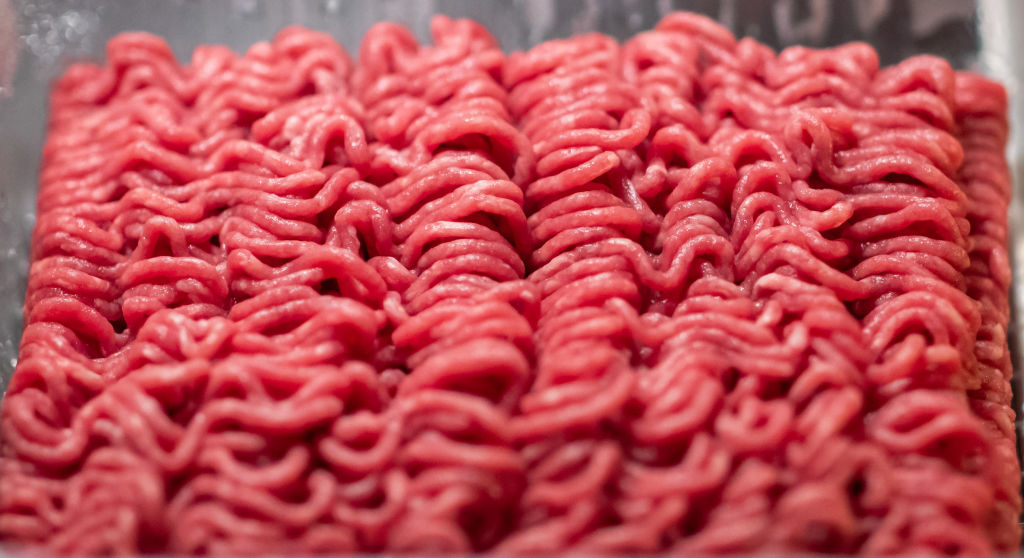
Agricultural lobbies remain the deal’s most formidable opponent. The agreement establishes a phased quota of 99,000 metric tons of beef at reduced tariffs and 180,000 metric tons of duty-free poultry. Irish Farmers Association president Francie Gorman has called it “the height of hypocrisy,” warning that European markets will be undermined by cheap imports produced to lower standards.
Farmers in Belgium, France, and Poland have staged tractor blockades and protests, with Brazilian beef selling at prices 20-30% lower than European production. The Commission has attempted to assuage concerns with safeguards that can suspend imports of sensitive farm produce, strengthened import controls for pesticide residues, a crisis fund, and accelerated farmer support—but these concessions failed to win over France or Poland.
Geopolitical Stakes Rise
The timing underscores the deal’s strategic significance. As Washington embraces the “Donroe Doctrine” with military intervention in Venezuela and threats against Greenland, Europe and South America are choosing partnership over confrontation. China has rapidly increased its footprint in the region, now buying roughly 30% of Brazilian exports compared to the EU’s 16%.
Von der Leyen framed it starkly: “At a time when trade and dependencies are being weaponized and the dangerous, transactional nature of the reality we live in becomes increasingly stark, this historic trade deal is further proof that Europe charts its own course.”
The next few weeks will determine whether 25 years of negotiations culminate in Europe’s largest-ever trade deal—or whether the parliamentary battlefield becomes its graveyard.
The post What Are The Vital Next Steps In The EU-Mercosur Trade Deal Saga? appeared first on European Business & Finance Magazine.