




























Warner Bros Rejects Revised Paramount Bid as Risky Leveraged Buyout
Board warns $87 billion debt load would create “largest LBO in history” as it reaffirms support for Netflix’s $83 billion offer
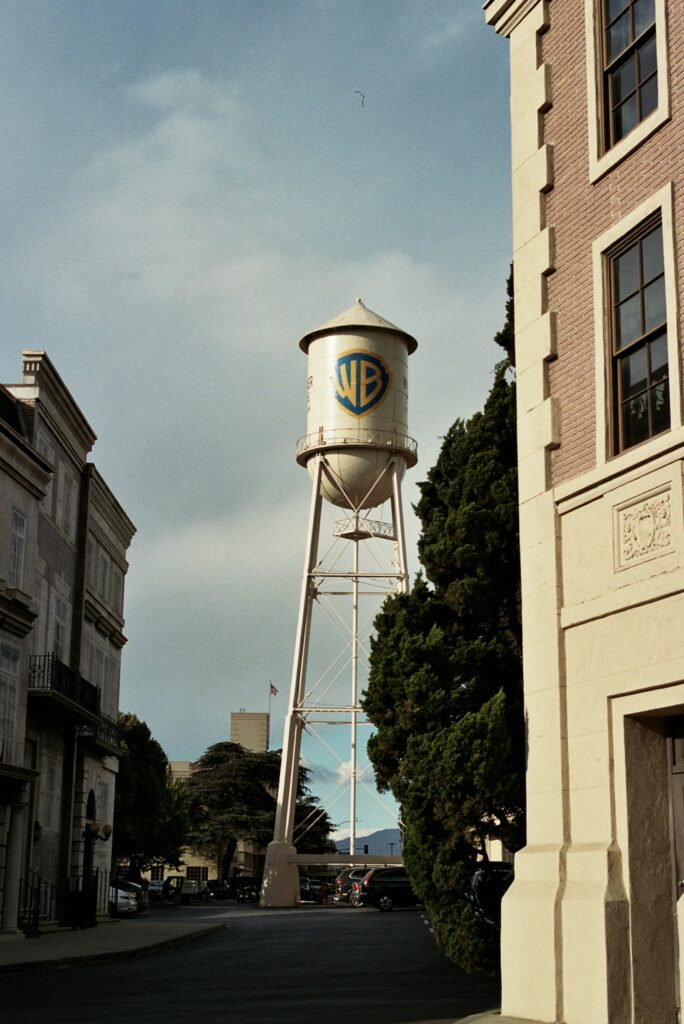
Warner Bros Discovery has unanimously rejected Paramount Skydance’s revised $108.4 billion hostile takeover bid, characterizing the proposal as an excessively risky leveraged buyout that would saddle the combined entity with $87 billion in debt and jeopardize shareholder value. The board’s Wednesday decision reaffirms its commitment to the existing $83 billion agreement with Netflix, despite Paramount’s attempts to address earlier concerns by securing a personal guarantee from Oracle billionaire Larry Ellison.
In a sharply worded letter to shareholders accompanying a 67-page amended merger filing, the Warner Bros board outlined fundamental concerns about Paramount’s financing structure. The board noted that Paramount—a company with just $14 billion in market capitalization—is attempting an acquisition requiring $94.65 billion in debt and equity financing, nearly seven times its total market value. This would require incurring more than $50 billion in incremental debt through arrangements with multiple financing partners, creating what the board termed “the largest LBO in history” with estimated gross leverage of approximately 7x 2026 EBITDA before synergies.
“The transaction Paramount is proposing is in effect a leveraged buyout,” the board stated. “This aggressive transaction structure poses materially more risk for WBD and its shareholders when compared to the conventional structure of the Netflix merger.”
Financing Concerns Despite Ellison Guarantee
Paramount’s revised December 22 bid attempted to alleviate financing concerns by securing an “irrevocable personal guarantee” from Larry Ellison, the Oracle co-founder whose son David Ellison serves as Paramount CEO. The elder Ellison committed to personally guarantee $40.4 billion in equity financing, with the remaining $54 billion coming from debt arrangements. Paramount also increased its reverse termination fee to $5.8 billion—matching Netflix’s promised payout if regulators block the deal—and offered greater financial transparency by allowing Warner Bros shareholders to review the Ellison family trust finances.
However, the Warner Bros board remained unconvinced, arguing that an LBO structure introduces inherent risks given the acquiror’s reliance on lenders’ ability and willingness to provide funds at closing. The board cited historical precedent, noting that “many prior large LBOs illustrate that acquirors or their equity and/or debt financing sources can, and do, seek to assert failures of closing conditions in order to terminate a transaction or renegotiate transaction terms.” Changes in either company’s performance, financial condition, industry dynamics, or financing landscapes could jeopardize these arrangements—leaving Warner Bros shareholders exposed to significant downside risk.
The board also expressed concern about Paramount’s current financial health, highlighting its negative free cash flow and “junk” credit rating—conditions that would be exacerbated by taking on massive additional debt. This contrasts starkly with Netflix’s financial profile: a $400 billion market capitalization, investment-grade balance sheet, A/A3 credit rating, and estimated free cash flow exceeding $12 billion for 2026.
The Cost of Walking Away
Warner Bros’ analysis revealed substantial costs associated with abandoning its Netflix agreement to pursue Paramount’s offer. The board calculated that terminating the Netflix deal would trigger a $2.8 billion breakup fee, $1.5 billion in fees to lenders for failing to complete a debt exchange incompatible with Paramount’s proposal, and approximately $350 million in incremental interest expenses. Combined, these costs total roughly $4.7 billion, or $1.79 per share—effectively reducing the net value of Paramount’s regulatory termination fee from $5.8 billion to just $1.1 billion should that deal fail to close.
Beyond direct financial costs, the board warned that operational restrictions Paramount would impose between signing and closing could “impair WBD’s financial condition and ability to maintain its competitive position” while hindering efforts to retain key talent. Paramount’s proposal would block Warner Bros’ planned spin-off of cable television networks—including CNN and Discovery—into a separate public company called Discovery Global, scheduled for Q3 2026. The board argued Discovery Global holds significant standalone value, whereas Paramount valued these cable assets at merely $2.5 billion (approximately $1 per share)—a figure Warner Bros disputes as grossly inadequate.
Strategic Rationale: Netflix’s Structural Advantages
The Netflix agreement, announced December 5 and valued at $27.75 per Warner Bros share, targets only the company’s studio and streaming businesses—including legacy production operations, HBO Max, and Warner’s extensive content library featuring properties like Harry Potter, Game of Thrones, and DC Comics. This structure allows Warner Bros shareholders to retain equity in Discovery Global following the cable network spin-off, potentially capturing value from both entities rather than selling the entire company at what the board considers an insufficient price.
Netflix co-CEOs Ted Sarandos and Greg Peters welcomed Warner Bros’ decision, stating it recognizes their proposal “as the superior proposal that will deliver the greatest value to its stockholders, as well as consumers, creators and the broader entertainment industry.” The streaming giant emphasized that its cash-and-stock structure provides greater certainty and fewer operational disruptions compared to Paramount’s heavily leveraged approach.
Warner Bros board chairman Samuel Di Piazza Jr. emphasized the contrast: “Paramount’s offer continues to provide insufficient value, including terms such as an extraordinary amount of debt financing that create risks to close and lack of protections for our shareholders if a transaction is not completed. Our binding agreement with Netflix will offer superior value at greater levels of certainty, without the significant risks and costs that Paramount’s offer would impose.”
What’s Next: Shareholder Decision Looms
Paramount has not raised its $30 per share all-cash offer since early December, arguing instead that its proposal is financially superior to Netflix’s when properly analyzed. The company has also suggested its bid would face less regulatory scrutiny than Netflix’s acquisition—though both transactions will attract substantial antitrust examination given their transformative impact on the entertainment industry.
The hostile nature of Paramount’s offer means Warner Bros shareholders could potentially reject their board’s recommendation if Paramount pursues a direct shareholder vote. The current tender offer deadline stands at January 21, giving shareholders limited time to decide whether to accept Paramount’s cash offer or trust the board’s judgment that Netflix provides superior long-term value despite the delayed closing timeline and mixed consideration structure.
Paramount did not immediately respond to requests for comment following Warner Bros’ latest rejection. The company now faces strategic choices: walk away from the pursuit, increase its bid above $30 per share to address valuation concerns, or force a shareholder vote and campaign directly to Warner Bros investors that its all-cash offer delivers better immediate value despite the financing risks the board has highlighted.
Warner Bros shares closed at $28.47 on Tuesday, trading below both Paramount’s $30 offer and the implied value of Netflix’s $27.75 proposal—suggesting market uncertainty about which deal ultimately prevails and whether either transaction successfully navigates regulatory approval in an increasingly skeptical antitrust environment.
Related Topics:
The post Warner Bros Rejects Revised Paramount Bid as Risky Leveraged Buyout appeared first on European Business & Finance Magazine.