


























Trump’s Oil Price Gambit Is Failing — and the Market Knows It
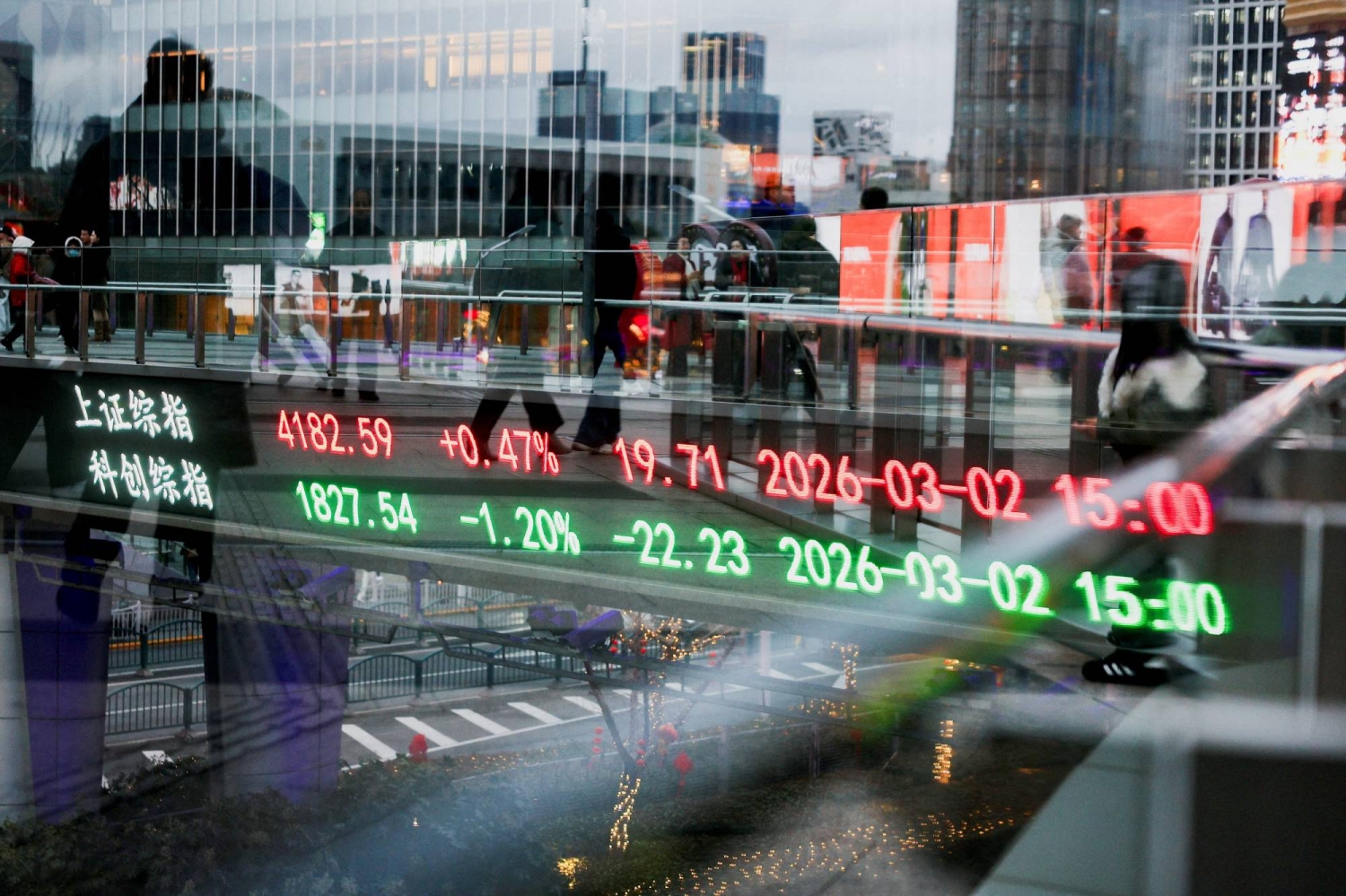
WTI crude futures rose more than 4% on Tuesday while Brent gained 3.5%, recovering sharply after both benchmarks fell over 10% the previous session. The rebound tells you everything about where markets actually stand on the Iran conflict: the brief sell-off was a response to White House messaging, not a reflection of anything that has changed on the ground.
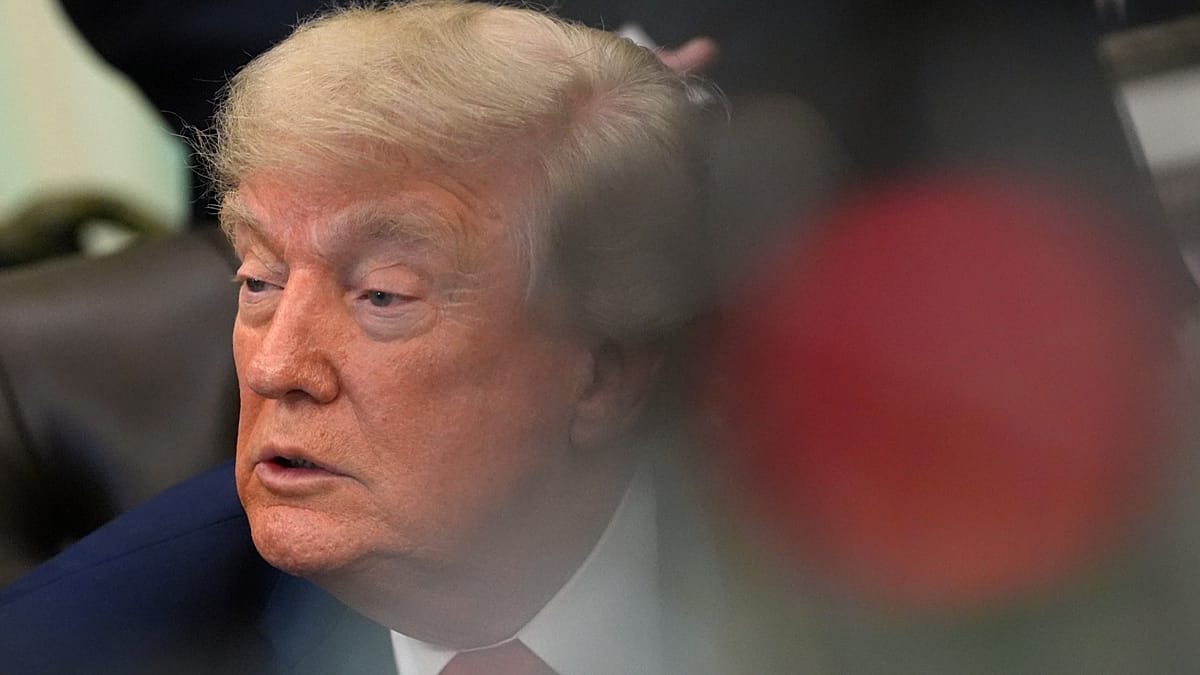
President Trump announced a five-day delay on US military strikes against Iranian energy infrastructure following what he described as “productive” talks with Tehran, posting on Truth Social that the Pentagon had been instructed to postpone operations pending the outcome of ongoing discussions. The oil market sold off hard on the news. Within hours, it had reconsidered.
Iranian and Arab officials were swift to push back. Iran’s Foreign Ministry denied any direct talks with Washington. “We are not the party that started this war,” a spokesperson told state broadcaster IRIB, adding that any requests for de-escalation should be directed at Washington. Arab intermediaries told the Wall Street Journal that Iran has set conditions for ending hostilities that current US positions cannot meet, and that regional shuttle diplomacy has so far failed to gain traction.
The reversal in oil prices reflects a market that has concluded, reasonably, that Trump’s statements amount to an attempt to talk down energy costs rather than a genuine diplomatic breakthrough. The operational situation is unchanged. The Strait of Hormuz remains effectively closed. Qatar’s LNG facilities — struck by Iranian missiles in the conflict’s early phase — are still offline, with an estimated $20 billion in annual revenue losses already crystallising and a long-term supply vacuum forming for European and Asian markets. As we reported when Iranian strikes first hit Ras Laffan, the damage to Gulf energy infrastructure is not a near-term risk — it is an ongoing reality.
The political logic on the Iranian side is equally clear. Tehran has no incentive to negotiate from a position of military parity without first securing guarantees that the conflict cannot be resumed — particularly during the remainder of Trump’s term. Any settlement that leaves Iranian military capability intact and the regime in place without a binding framework would, from Tehran’s perspective, simply reset the clock to zero. The administration, meanwhile, has struggled to define what victory actually looks like. Regime change has not materialised. Iranian missile capability has not been degraded to the point of impotence. The Strait remains blocked. Without a clear strategic achievement to point to, the path to a credible off-ramp is narrowing.
What the oil market is now pricing is not the risk of further escalation in the next 48 hours — it is the structural consequence of a conflict that could push oil well above $100 a barrel if broader targeting of Gulf energy infrastructure continues. The broader economic implications are significant. A sustained oil price shock at these levels would add 0.6–0.7 percentage points to global inflation, push eurozone price growth well above the ECB’s 2% target, and make rate cuts in the second half of 2026 increasingly difficult to justify.
The one genuine bearish headwind for oil prices would be evidence that surging energy costs are beginning to destroy demand — a recession signal rather than a supply signal. Tuesday’s S&P Global Flash PMI surveys may offer the first hard data point on how corporate sentiment is absorbing the energy shock. A significant deterioration in business confidence would introduce a growth-scare dynamic into an oil market that has, until now, been trading almost entirely on the supply side of the ledger.
Until then, the trajectory that markets identified when the conflict began remains intact. Trump’s statements are moving prices temporarily. The underlying reality is not moving at all.
The post Trump’s Oil Price Gambit Is Failing — and the Market Knows It appeared first on European Business & Finance Magazine.