
































Trump Sues JPMorgan and CEO Jamie Dimon for $5bn Over Alleged “Debanking”

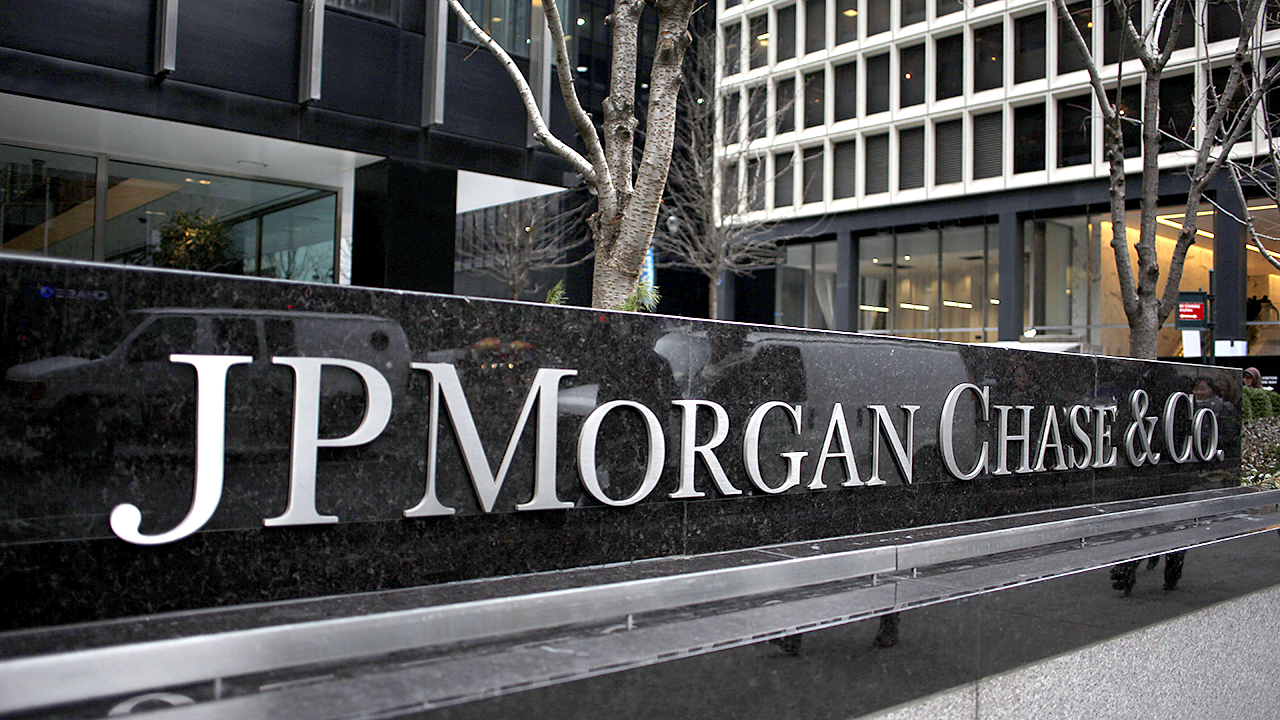
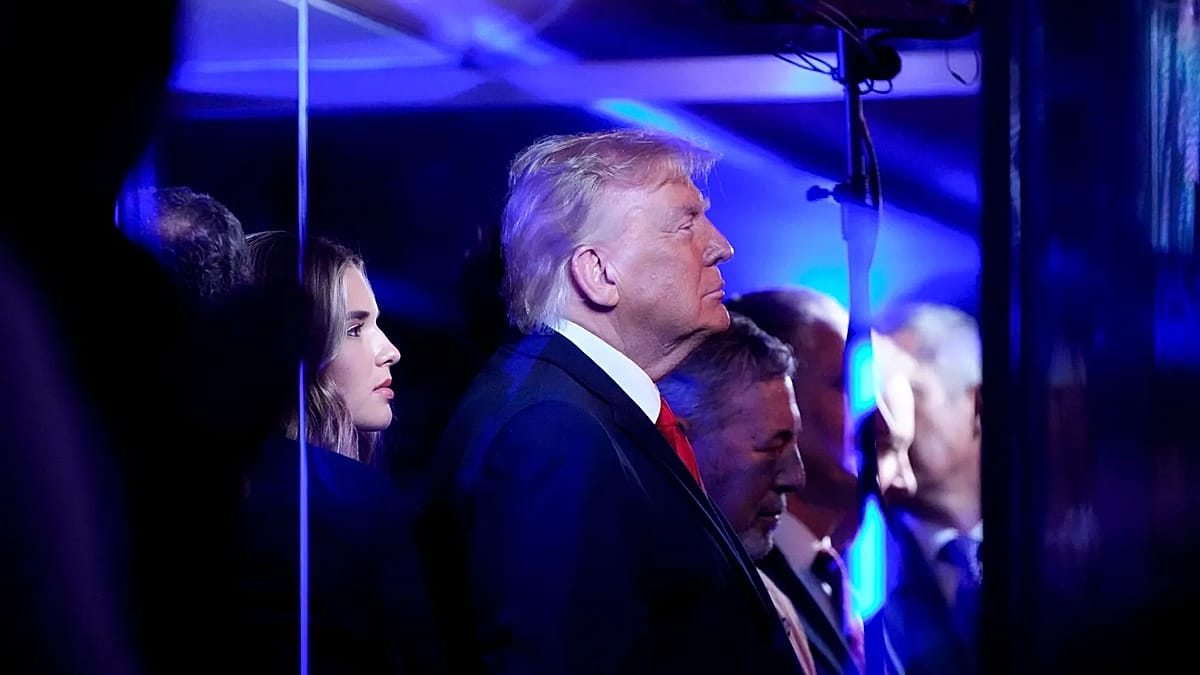
Donald Trump has launched a $5 billion lawsuit against JPMorgan Chase and its chief executive Jamie Dimon, alleging the bank engaged in “debanking”—the practice of denying or terminating banking services based on political views rather than financial risk. The lawsuit, filed in Florida federal court on January 22, 2026, marks an extraordinary escalation in tensions between the Trump administration and America’s largest bank by assets.
The complaint accuses JPMorgan of systematically closing accounts held by Trump-affiliated businesses, campaign entities, and individual supporters between 2021 and 2024, arguing the terminations violated anti-discrimination laws and constituted political retaliation. Trump’s legal team claims the bank’s actions caused “irreparable reputational and financial harm” to his business empire and political operation, seeking $5 billion in compensatory and punitive damages.
JPMorgan has denied the allegations categorically. A bank spokesperson stated the institution “makes account decisions based on risk management, regulatory compliance, and adherence to banking laws—never on political affiliation.” The bank maintains it closed certain accounts following standard anti-money laundering reviews and suspicious activity reports, procedures required under federal law. Dimon, widely regarded as Wall Street’s most influential CEO, has not personally commented on the lawsuit but has previously defended banks’ right to terminate relationships that pose legal or reputational risk.
The Debanking Debate
The lawsuit arrives amid growing controversy over “debanking”—a term weaponized by conservative activists to describe what they characterize as financial institutions’ politically motivated account closures. Republicans have pointed to cases where cryptocurrency firms, cannabis businesses, and conservative advocacy groups lost banking relationships, arguing major banks discriminate against politically disfavored clients under pressure from Democratic regulators.
Banks counter that account closures stem from legitimate compliance concerns. Financial institutions face severe penalties for failing to detect money laundering, terrorist financing, or sanctions violations, making them risk-averse when customers generate suspicious activity reports or regulatory scrutiny. The tension reflects the collision between banks’ private sector discretion and politicians’ demand that essential financial services remain politically neutral.
Trump’s lawsuit claims JPMorgan closed accounts belonging to Trump Organization subsidiaries in 2022 and 2023, forcing the businesses to scramble for alternative banking relationships. The complaint alleges the bank refused to process donations to Trump’s 2024 campaign from certain donors and delayed wire transfers for Trump-linked entities. Legal experts note Trump faces a steep burden proving political motivation rather than standard risk management drove the decisions.
Dimon’s Delicate Position
The lawsuit places Jamie Dimon in an uncomfortable spotlight. The 69-year-old banking veteran has cultivated bipartisan relationships throughout his two-decade tenure atop JPMorgan, advising both Democratic and Republican administrations on financial regulation and economic policy. Dimon publicly criticized Trump’s trade policies during his first term but maintained cordial relations, and JPMorgan continued banking the Trump Organization throughout that period.
However, relationships soured after the January 6 Capitol riot. JPMorgan joined dozens of corporations suspending political donations to lawmakers who objected to certifying the 2020 election results. While the bank later resumed contributions, Trump allies viewed the move as evidence of anti-conservative bias within corporate America.
Dimon’s personal political stance complicates the narrative. Though registered as a Democrat, he has praised certain Trump economic policies and warned fellow Democrats against dismissing Trump voters’ economic grievances. His willingness to engage with both parties made him a rumored candidate for Treasury Secretary in past administrations. The lawsuit threatens to shatter that carefully maintained neutrality.
Broader Implications
The case carries significance beyond Trump’s personal grievances. If successful, it could establish legal precedent limiting banks’ discretion to terminate customer relationships, potentially exposing financial institutions to discrimination claims when closing politically controversial accounts. Banks argue such constraints would prevent them from managing risk effectively and complying with anti-money laundering obligations.
Republicans in Congress have signaled support for legislation restricting debanking, with proposed bills requiring banks to provide detailed justifications for account closures and establishing appeals processes. Financial industry lobbyists warn such rules would undermine risk management and force banks to maintain relationships with high-risk clients, potentially exposing institutions to regulatory enforcement and criminal liability.
The lawsuit also amplifies scrutiny of Dimon himself. As America’s most prominent banker, his handling of the case will influence how corporate leaders navigate the increasingly politicized landscape of doing business in a divided nation. Trump’s aggressive legal strategy suggests an administration willing to use litigation as a policy tool against corporations perceived as insufficiently supportive.
Legal analysts expect JPMorgan to seek dismissal, arguing Trump cannot prove the bank violated any anti-discrimination statute that covers political affiliation—most such laws protect race, religion, and gender, not political views. The case could drag through courts for years, keeping the debanking debate at the centre of American political discourse while testing the boundaries between corporate autonomy and political neutrality in essential services.
The post Trump Sues JPMorgan and CEO Jamie Dimon for $5bn Over Alleged “Debanking” appeared first on European Business & Finance Magazine.