
























Totschnig in favor of EU initiative for more food labeling
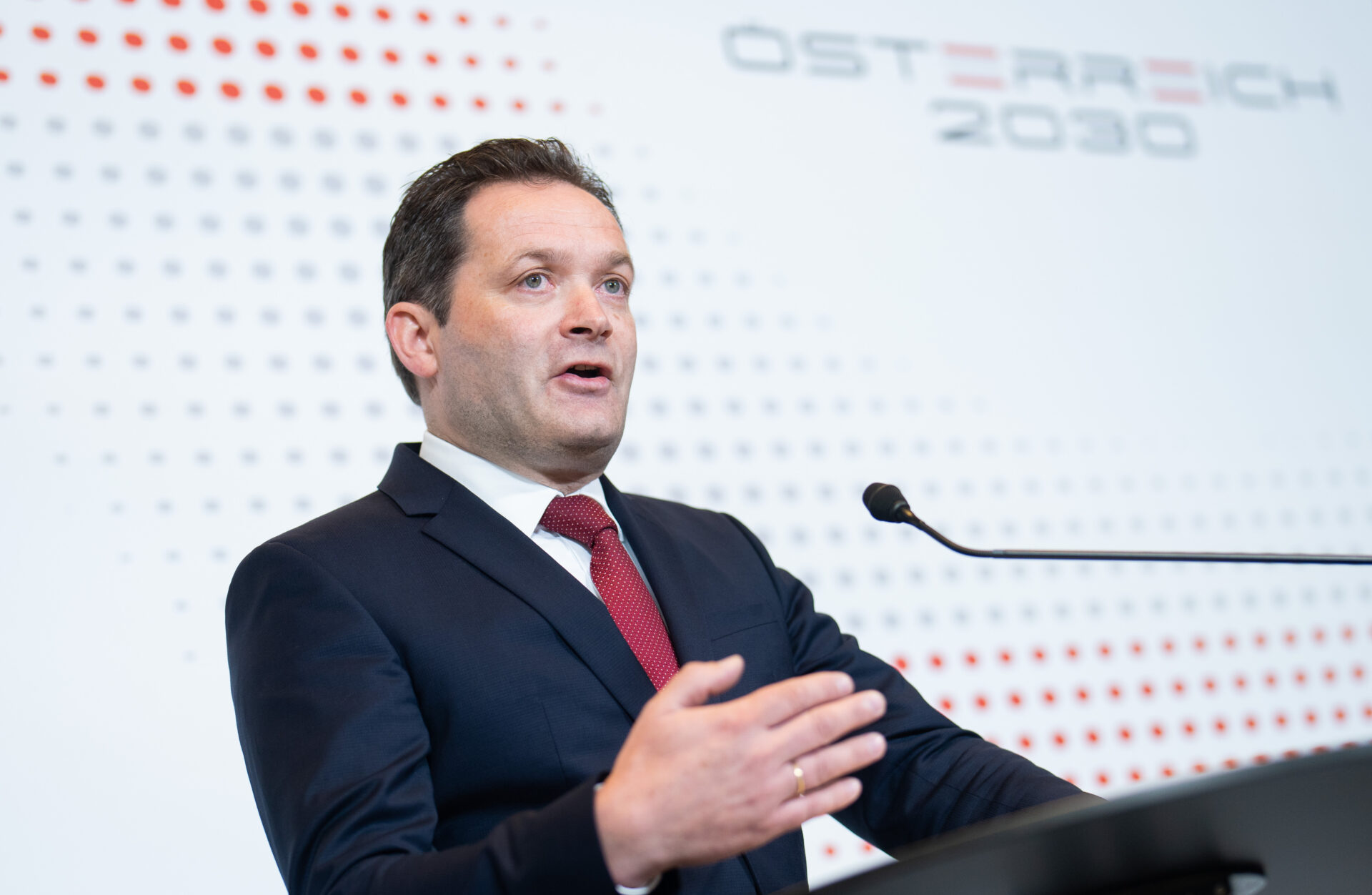
Brussels (APA) – At the meeting of the EU agriculture ministers, Austria will support on Monday in Brussels a French initiative for EU-wide origin labeling of food. “I am very pleased that France has had this important issue put on the agenda,” said Austria’s Minister Norbert Totschnig (ÖVP) before the meeting. The aim is to extend origin labeling to significantly more foods – especially processed products.
Female and male farmers in Austria produce high quality to the highest standards “and we also see among consumers the need for even more transparency,” emphasized the agriculture minister. Also due to free trade agreements, it is necessary that “uniform rules for origin labeling of food come into force across the EU.” He therefore calls on the EU Commission to present what it has long since announced, namely Europe-wide origin labeling.
More labeling especially with regard to Mercosur important
“We need simple, practical, workable regulations in this area,” the minister rejected criticism that this would create even more bureaucracy, especially for small catering businesses. Goods come from all over the world to Europe and to Austria “and I believe it is simply important and a right of consumers that they know where [products] come from,” said Totschnig. Not least with regard to the planned Mercosur agreement, it is particularly important for Austria to strengthen regional value chains and sensitive sectors, such as sugar, according to a media release from his ministry.
Regarding the review of the EU-Mercosur agreement requested by the European Parliament by the European Court of Justice, the ÖVP politician, who is opposed to the agreement, said there is the possibility of provisional application of agreements, that is EU law, and “I take note of that.” He assumes that the Commission will proceed as it has done so far, “as provided for by EU law.”
Exclude fertilizers from CO2 cost mechanism
An important concern for the minister at the Council meeting is also fertilizers: “Austrian and European arable farmers are currently confronted with low producer prices, while production costs are rising more and more. The biggest cost factor here is fertilizers, and farming families need sufficient affordable fertilizers so that they can achieve economically profitable harvests,” said Totschnig.
The demand in Europe is greater than production, which is why imports from other countries are necessary. Important exporters to the Union have received punitive tariffs due to the war. This refers to Russia or Belarus. Totschnig is therefore calling for the temporary suspension of the CO2 border adjustment mechanism (Carbon Border Adjustment Mechanism, CBAM) for fertilizers, which has already been mentioned by the EU Commission. The mechanism is intended to guarantee a comparable CO2 pricing level for goods produced in the EU and imported goods. Exported fertilizers would thus become more expensive.
Furthermore, most-favored-nation tariffs and specific anti-dumping duties on fertilizers should be temporarily suspended, “because it is now about competitiveness, about safeguarding the competitiveness of domestic production,” Totschnig continued.
Finance Ministry rejects initiative
The Finance Ministry rejects the agriculture minister’s initiative to exclude fertilizers from the CO2 cost mechanism. The European CBAM is an essential instrument for strengthening the international competitiveness of Austrian and European companies. “Should the EU Commission comply with the request regarding exemptions for fertilizers and this be voted on in ECOFIN, Austria would vote against it,” the Finance Ministry said.
According to the Chemical Industry Association of Austria (FCIO), the elimination of CBAM without compensation in emissions trading (ETS) would massively weaken European fertilizer production. In a press release, the association warned of dependence on imports, for example from Russia or Belarus.
FPÖ and Greens also criticize
Totschnig’s demand for a suspension of CBAM for fertilizers is correct but does not go far enough, said Austrian Freedom Party MEP Roman Haider according to a press release. He described the European Green Deal and EU emissions trading as a whole as “misguided policy” and called for their repeal. Austrian Green agriculture spokesperson Olga Voglauer sees a wrong focus: “Especially in the current geopolitical situation, it is necessary that we free ourselves as far as possible from fertilizer imports instead of pushing prices for imported fertilizer as low as possible.” She would like to see better subsidies for organic farming. (26.01.2026)