
















They Think It’s All Over: Markets Surge as Trump Hints the Iran War Could End in Weeks
Global markets staged one of their most powerful single-session rallies in months on Wednesday as President Trump raised hopes that the Iran conflict could be drawing to a close — and traders, desperate for good news after a brutal quarter, seized on it with both hands.
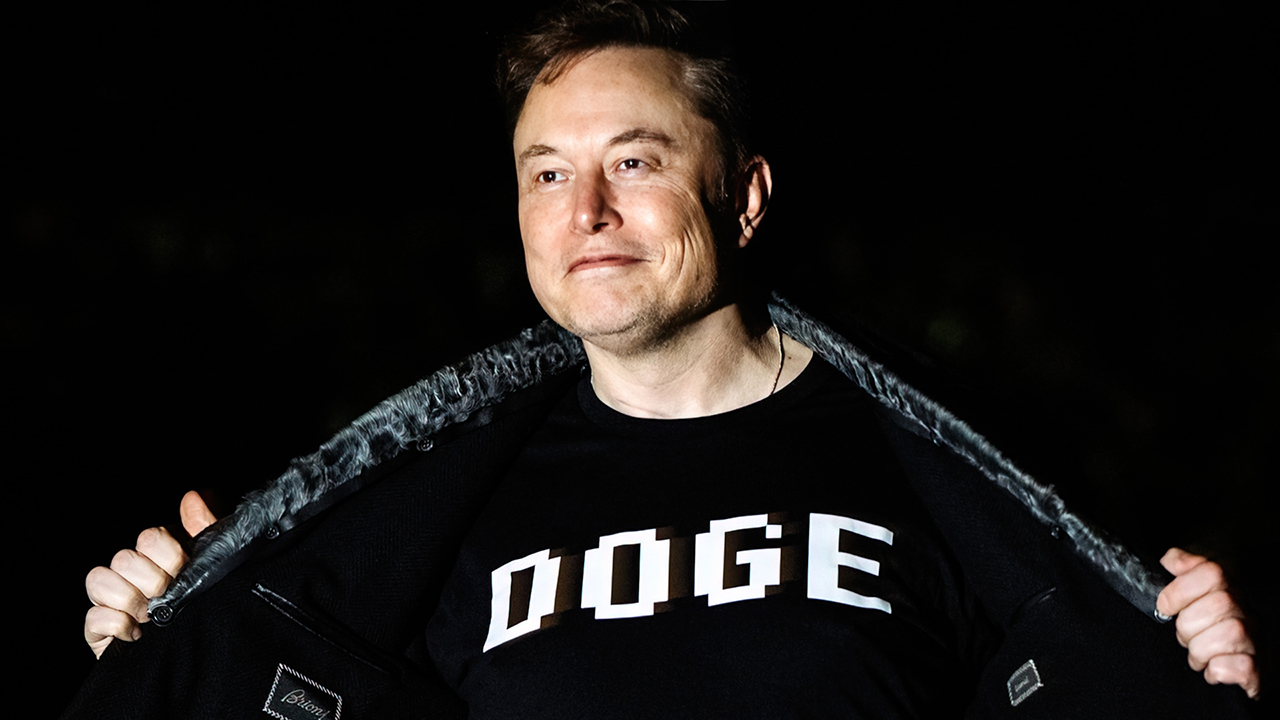
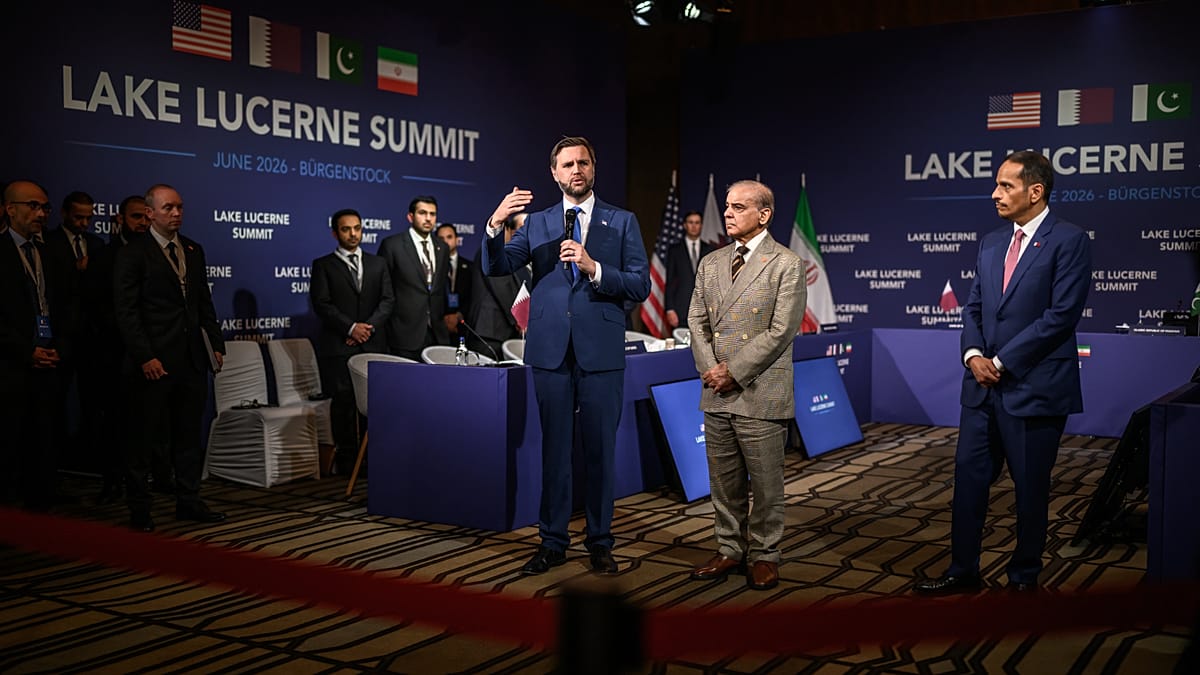
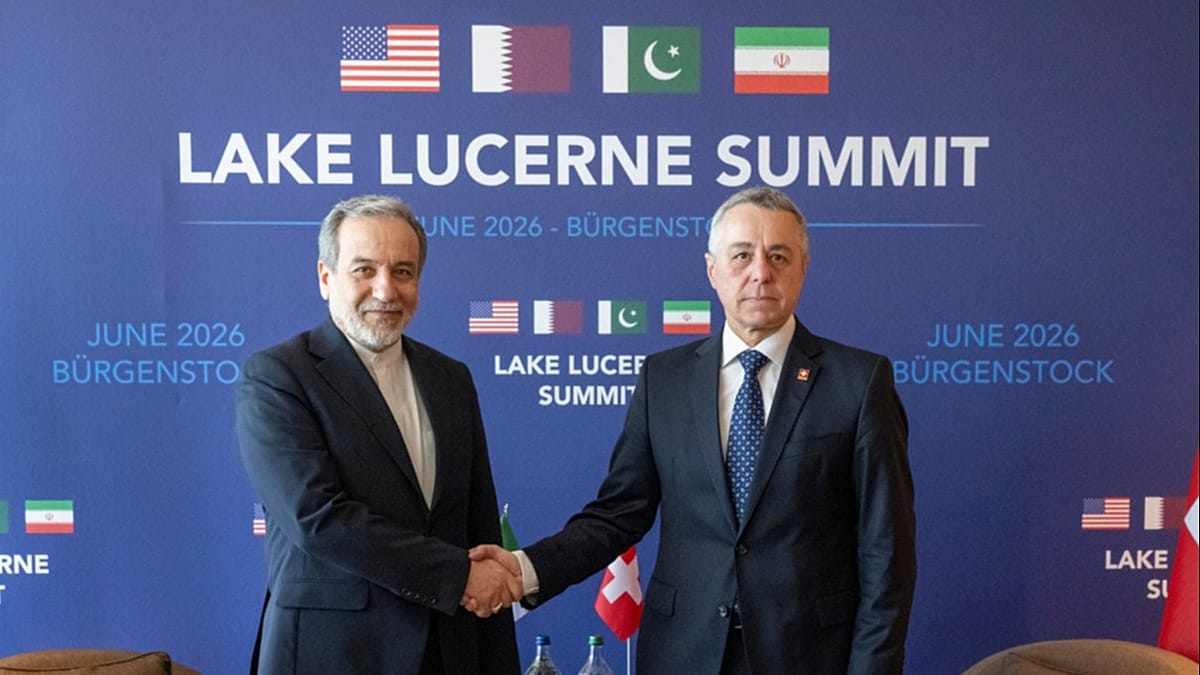
Trump told reporters that US forces could leave Iran within “two or three weeks,” with or without a formal peace deal. He claimed the US had achieved its war aims — Iran’s nuclear facilities destroyed, its navy eliminated, its air force and defence systems dismantled, and the old regime replaced with what the president characterised as a more moderate government. It was a remarkable statement, and markets responded accordingly.
The Rally in Numbers
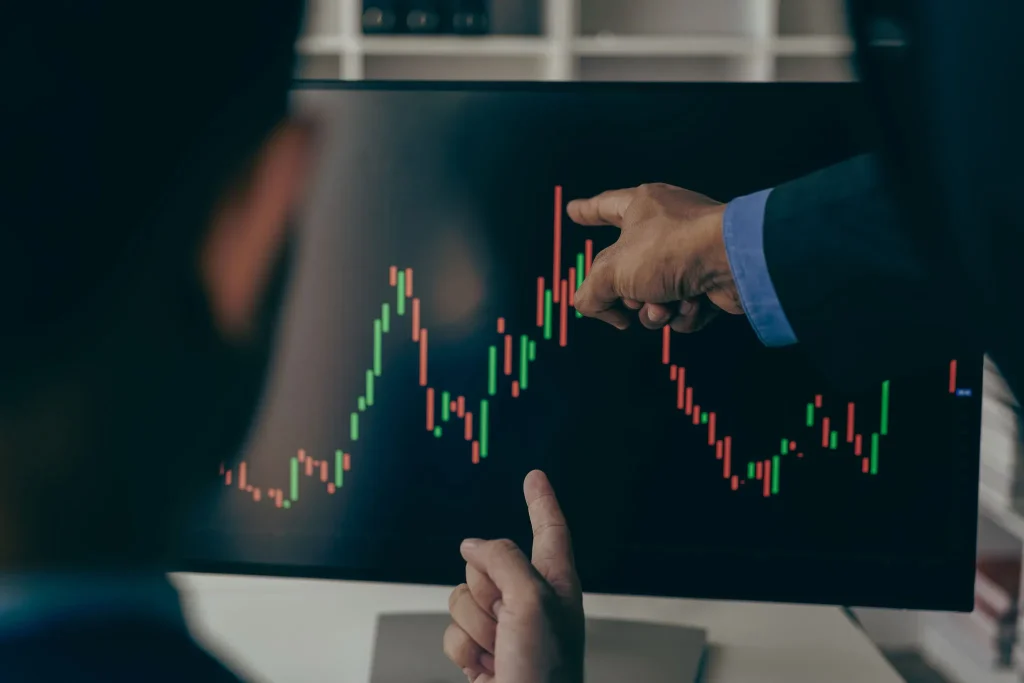
The moves were sharp and broad. South Korea’s Kospi surged 8.4%, buoyed additionally by news that factory activity expanded at its fastest rate in four years. Japan’s Nikkei rose 5.2% as the Bank of Japan’s Tankan Survey showed rising optimism among large manufacturers. Hong Kong’s Hang Seng gained 2.0%, the Shanghai Composite added 1.5%, Australia’s ASX 200 climbed 2.2%, and India’s Nifty 50 rose around 1.8%.
In Europe, indices opened the new quarter on the front foot, carried higher by the overnight Asian performance and building US futures. The FTSE 100 — which has been one of the standout performers through the conflict — retested a band of resistance around 10,400–10,450, trading back at levels last seen a fortnight ago. In the US, the previous session had seen the Dow close up 2.5%, the S&P 500 gain 2.9%, and the NASDAQ and Russell 2000 surge 3.8% and 3.4% respectively — the best single day for all four indices since last May, when markets were recovering from Trump’s trade tariff shock. The S&P had been trading at a near eight-month low of 6,312 in the early hours of Tuesday before the turnaround.
The Dollar Dumps, Oil Slides
The dollar was, alongside crude oil, the biggest casualty of what traders are calling Trump’s “peace dividend.” The Dollar Index, which had surged during the conflict as investors sought safety — briefly breaking above long-term resistance at 100.00 and touching 100.46, its best level since last May — reversed sharply and extended losses for a second consecutive session. The flight-to-safety bid that had driven dollar strength while simultaneously spurning gold, US Treasuries, and currencies like the yen and Swiss franc appeared to be unwinding fast.
Crude oil dropped more than 4%, with front-month Brent pulling back from resistance around $110 a barrel and WTI slipping back into the $90–$100 trading range that has held for the past three weeks. Oil remains roughly 50% above where it was in mid-February before tensions with Iran escalated sharply, a reminder that even a significant single-session drop leaves prices at historically damaging levels for consumers and businesses.
What the Market May Be Missing
The optimism is understandable. But experienced observers will note the significant caveats buried in Trump’s remarks — and the risks that markets may be underpricing.
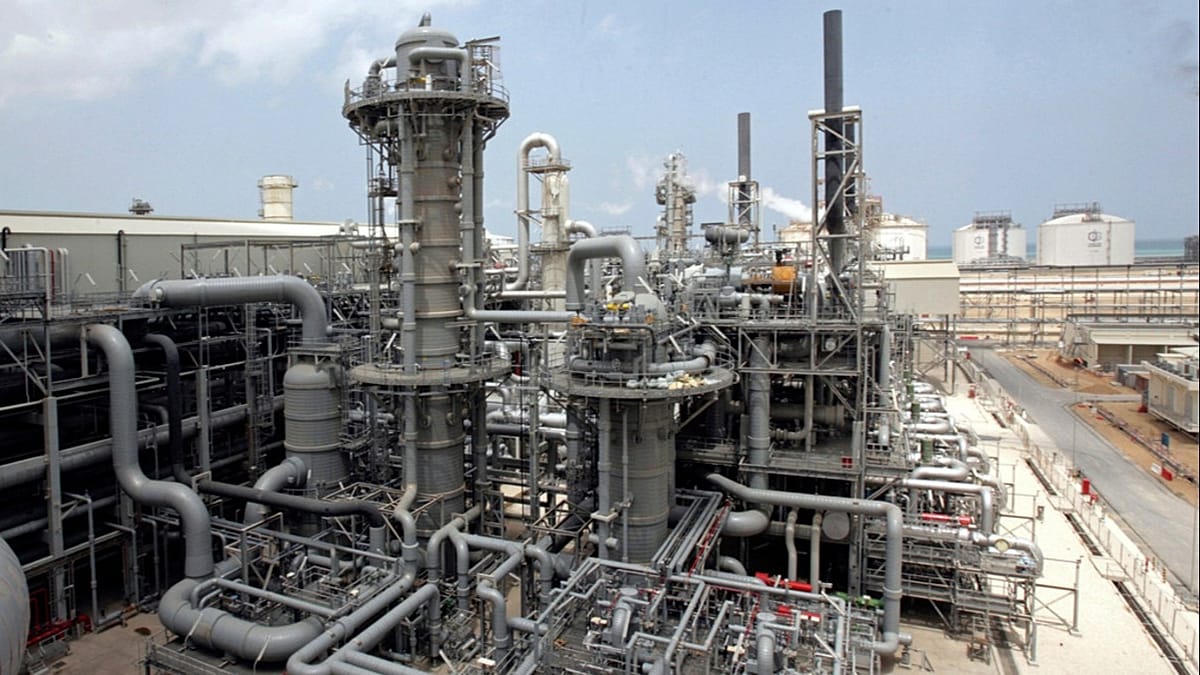
The Strait of Hormuz remains effectively blocked, cutting off approximately a fifth of global supply of oil, liquified natural gas, helium, and fertiliser chemicals including nitrogen and phosphates. Trump was explicit: reopening the Strait is not America’s problem. Those who rely on it should deal with its closure themselves. That is a remarkable position for the leader of the world’s largest economy to take, and its full implications for European energy security and global supply chains have not yet been fully absorbed by markets.
Energy infrastructure across the Gulf States has been severely damaged. Production facilities shut down as storage filled up during the blockade. Even if the Strait reopens tomorrow, restoration of full output capacity could take years. Germany’s energy vulnerability — already acute given its dependence on gas — illustrates the structural damage that will persist long after any ceasefire is declared. Meanwhile, Iranian President Masoud Pezeshkian has reportedly signalled openness to ending hostilities with appropriate guarantees, but no formal agreement exists. Trump has said the US will leave with or without one — which raises serious questions about the durability of any post-conflict settlement.
Gold and Silver Hold Firm
Despite the risk-on mood, gold has had a strong week. After plunging to a four-month low of $4,100 last week and briefly threatening a retest of $4,000, buyers stepped in and pushed the metal back above $4,400. By Wednesday morning it had climbed to within a few dollars of $4,750 — its best level in close to a fortnight. The daily MACD is curling up from oversold territory, though resistance around $4,800 now looms. Silver surged above $75.50 on dollar weakness before pulling back to find support around $74.00.
The resilience of precious metals through this rally is telling. Markets are cheering Trump’s remarks — but they are not fully abandoning the safe haven trade. That suggests a degree of scepticism beneath the headline optimism, and rightly so. All eyes now turn to Trump’s address at 01:00 GMT Thursday morning. What he says about the Strait of Hormuz — and whether any formal framework for ending hostilities emerges — will determine whether this rally has genuine legs, or whether it joins the list of premature peace dividends that markets have been burned by before.
The post They Think It’s All Over: Markets Surge as Trump Hints the Iran War Could End in Weeks appeared first on European Business & Finance Magazine.