























The Week That Shook Markets: Iran War, Oil Shock and the Anthropic-Pentagon Clash
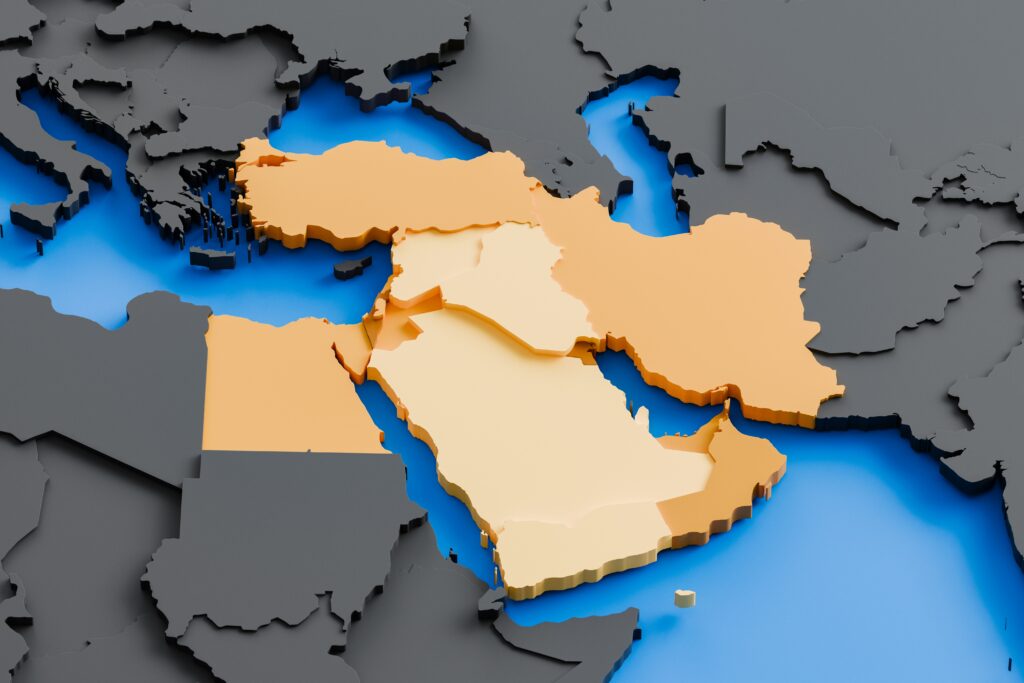
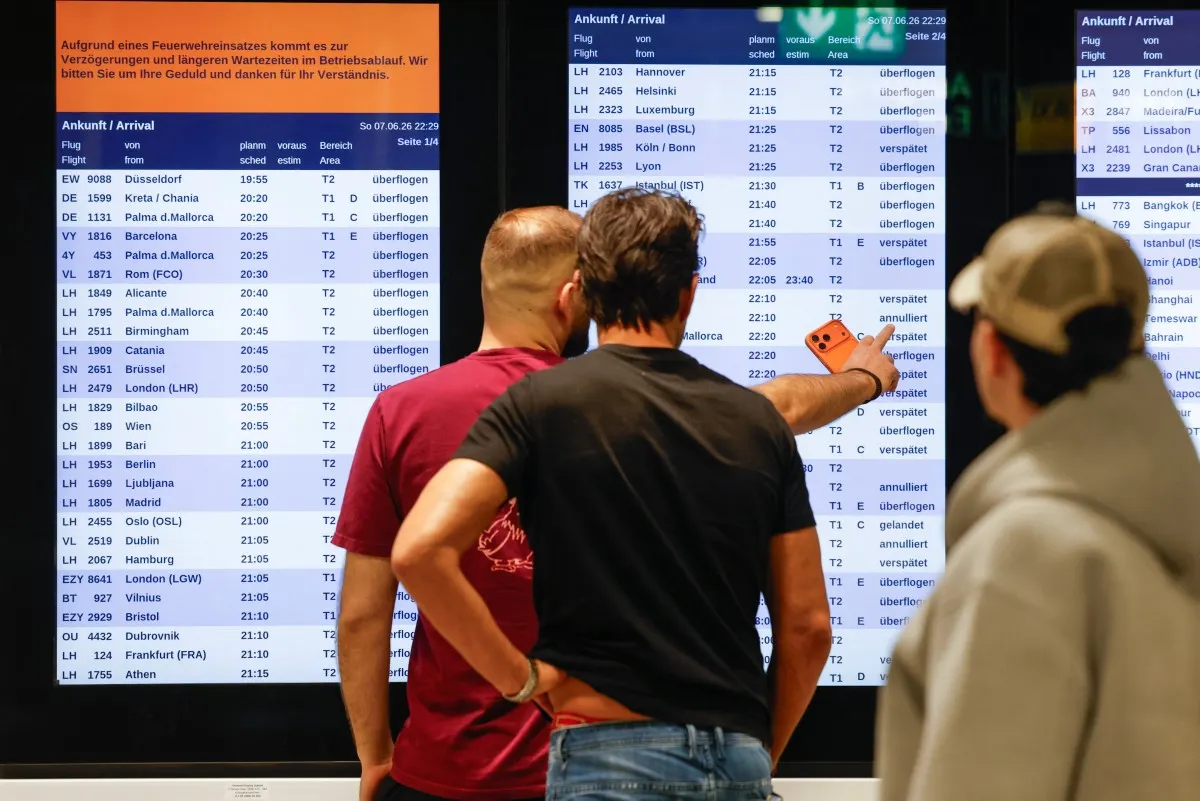
The FTSE 100 has veered back into positive territory at the end of one of the most turbulent weeks in recent memory — but the recovery masks the scale of damage inflicted across markets since hostilities in Iran intensified. What a difference seven days makes. This time last week the Footsie was flirting with 11,000; it now sits more than 4% lower, with the conflict’s knock-on effect for listed companies hitting sentiment hard across the board. Airlines have clawed back some ground in early trade but remain deeply battered — stranded passengers, collapsed consumer confidence, and surging fuel costs are a toxic combination for an industry that was only just finding its feet after years of disruption.
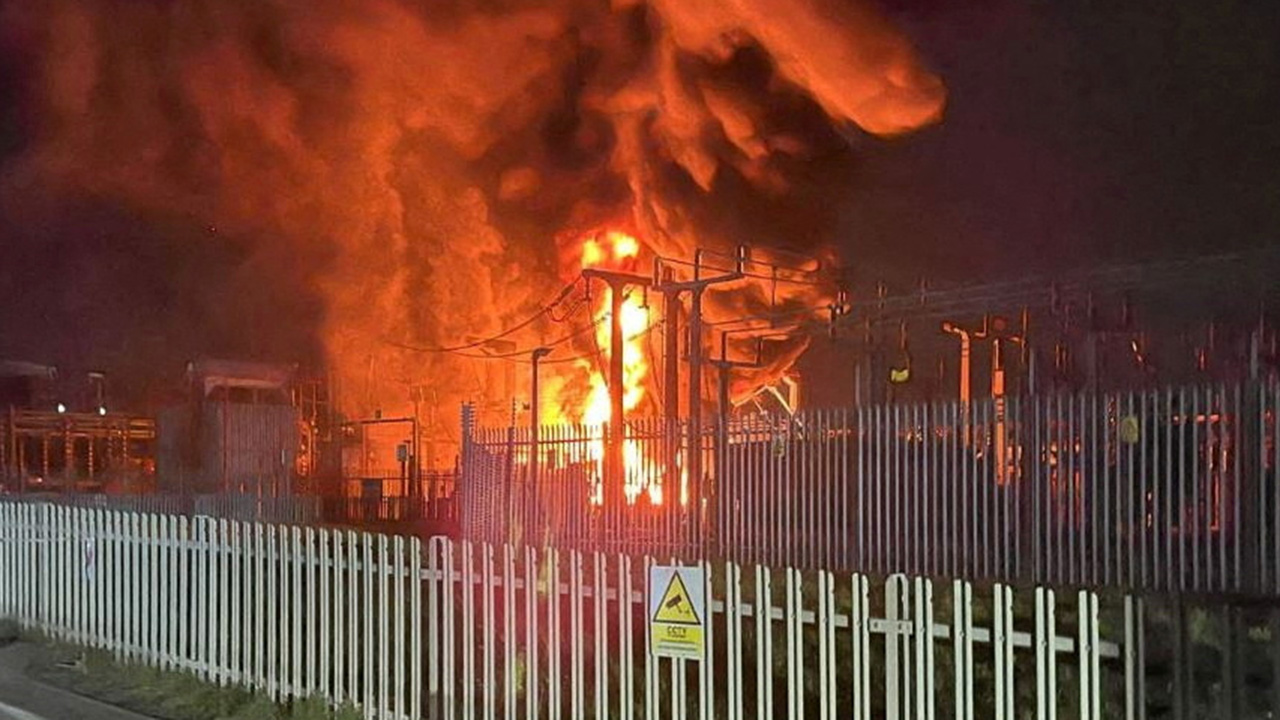
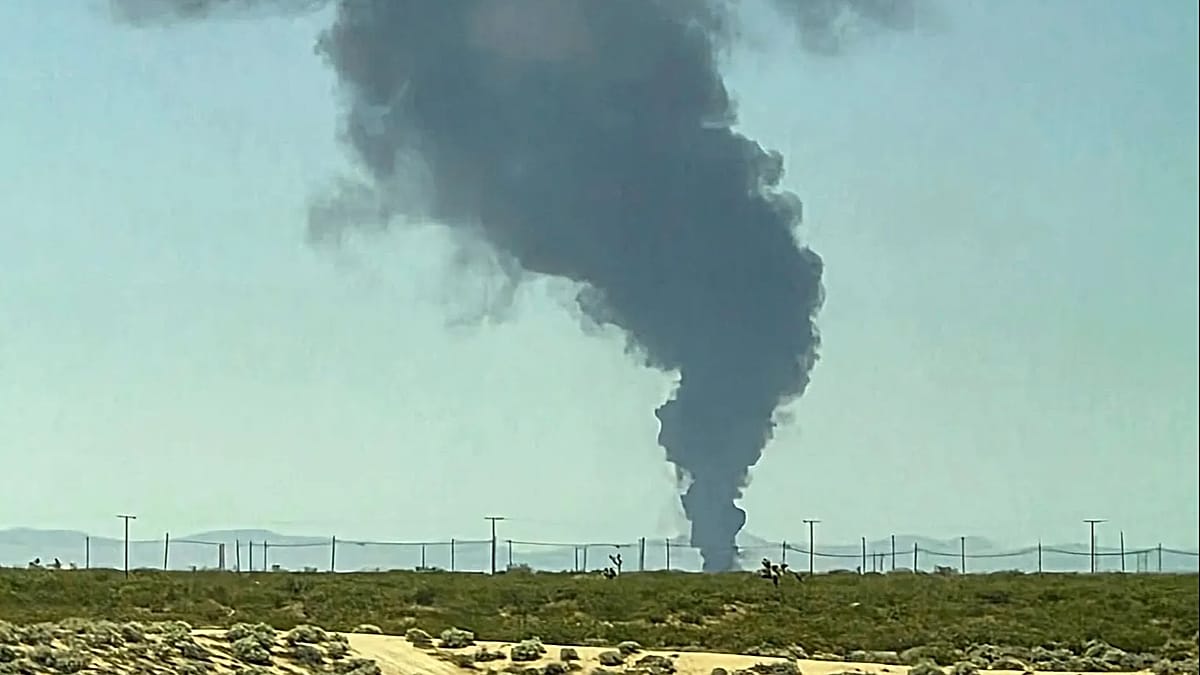
Energy prices remain the defining variable. Brent Crude has settled above $85 a barrel after rising approximately 20% across the week — a move that reflects both the physical reality of severe Middle East supply disruption and the market’s growing scepticism that a swift resolution is coming. Intense bombardments of Iran are continuing, and retaliatory strikes are coming thick and fast across the region, keeping the risk premium firmly embedded in the price.
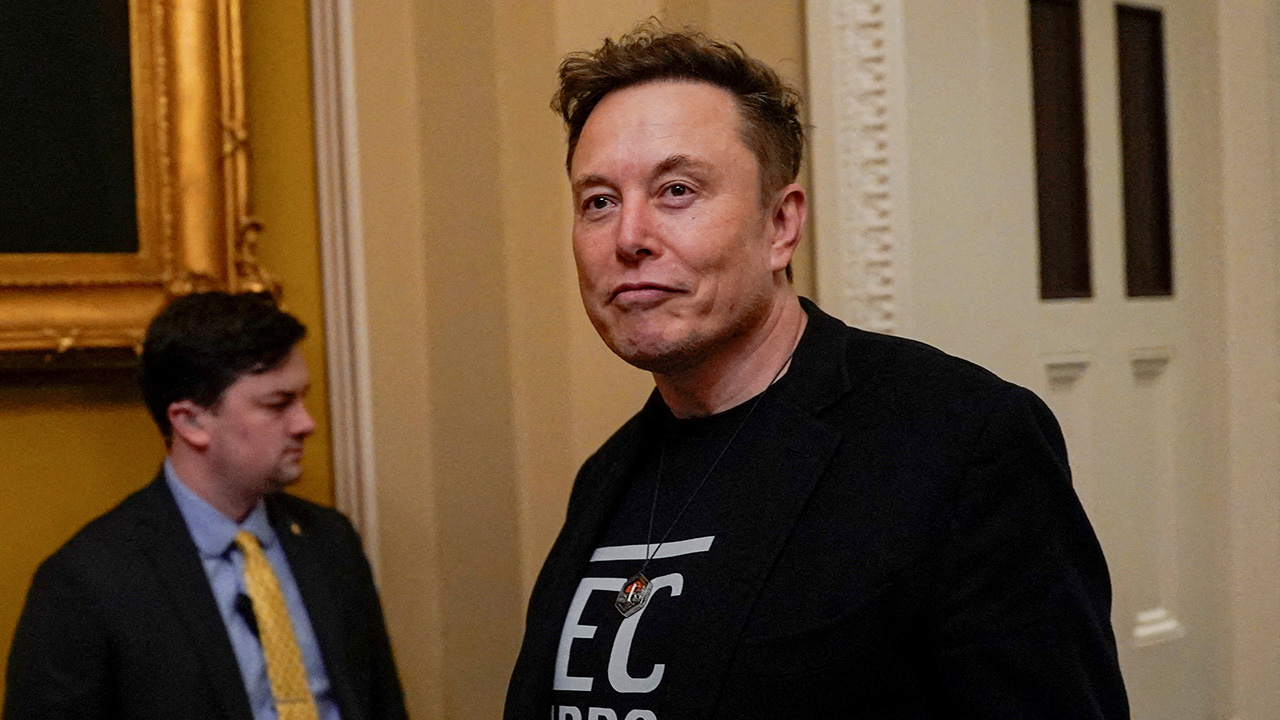
President Trump has pledged to bring oil prices down, including releasing supply from US emergency reserves and — more unusually — floating the idea of the Treasury attempting to influence futures contracts directly. It is the kind of intervention that makes headlines, but markets are not particularly impressed. Tinkering of this kind can create short-term noise but cannot override the fundamental reality of physical supply disruption on this scale. The Strait of Hormuz remains severely compromised, and prices are already filtering through to consumers at the pump. Diesel has hit a 16-month high, and further increases are coming given the well-established lag between wholesale and forecourt prices. Gas costs have retreated slightly from mid-week highs but remain elevated, with the key LNG export plant in Qatar still out of action — a reminder that the energy shock extends well beyond crude oil.
Against this already volatile backdrop, a separate but potentially more consequential battle broke out this week — one that could define the future of artificial intelligence and its relationship with government power.
Anthropic has vowed to take legal action against the US Defense Department after the Pentagon labelled its AI models a supply-chain risk. The move came after Anthropic refused to grant defence agencies unrestricted access to its tools, citing serious concerns about the potential for mass domestic surveillance and the development of fully autonomous weapons systems. The Pentagon’s response — branding Claude a supply-chain risk — is a move with enormous commercial stakes. Anthropic’s Claude models are already deeply integrated into the operations of major players including Amazon and Alphabet, both of which hold significant government contracts. A supply-chain designation puts that entire ecosystem at risk.
The prevailing view in the technology industry is that the Pentagon’s move is ideological rather than technical — and the burden of proof will fall on the Defence Department to demonstrate concretely how Anthropic’s models constitute a genuine supply risk. That is likely to be a high bar. The ban cannot take effect immediately given how thoroughly Claude has been absorbed into defence operations, accumulating vast operational knowledge in the process. Unwinding that integration will be extraordinarily complex — and the legal battle ahead will be messy, prolonged, and watched closely by every major AI developer on the planet.
The Information Technology Industry Council — whose members include Nvidia, Amazon, Apple, and OpenAI — has already signalled it is highly concerned by the direction of travel. The battle lines are now clearly drawn between those who believe AI development must retain independent ethical guardrails and those who argue national security imperatives should override them. While responsible defence contractors have pledged to keep humans in the loop as AI capabilities advance, the prospect of fully autonomous weapons is no longer theoretical — and the absence of any binding international treaty on the matter means there is currently nothing to stop it becoming reality.
What this week has demonstrated, across both the energy markets and the AI sector, is that the decisions made in Washington in the coming weeks — on Iran, on oil, on artificial intelligence — carry consequences that will ripple through businesses, markets, and societies far beyond America’s borders. For investors, for technology companies, and for governments trying to navigate an increasingly fractured global order, the stakes could barely be higher.
FAQ
Q: Why is the FTSE 100 down more than 4% this week despite recovering on Friday? A: The week’s losses reflect the cumulative impact of the Iran war on investor sentiment and corporate earnings expectations. Airlines, energy-intensive manufacturers, and consumer-facing businesses have all been hit by a combination of higher fuel costs, supply chain disruption, and weakening consumer confidence. Friday’s recovery is characteristic of dip buying at the end of a volatile week rather than any fundamental improvement in the underlying picture — the conflict continues, oil remains elevated, and the economic drag is only beginning to feed through to company earnings.
Q: What does the Anthropic-Pentagon dispute mean for the future of AI regulation? A: It represents the most significant public confrontation yet between an AI safety-focused developer and government demands for unrestricted access to AI tools. If the Pentagon’s supply-chain designation stands, it sets a precedent that governments can effectively force AI companies to choose between their ethical commitments and their commercial survival. If Anthropic prevails legally, it strengthens the principle that private AI developers can maintain independent guardrails even under intense state pressure. Either outcome will shape how every major AI company approaches government contracts — and how governments approach AI procurement — for years to come.
The post The Week That Shook Markets: Iran War, Oil Shock and the Anthropic-Pentagon Clash appeared first on European Business & Finance Magazine.