




















The UK government prepares a ban on sponsorship by unlicensed bookmakers
UK authorities intend to shut down one of the most visible promotional avenues for betting operators without a UK licence. The proposal is for an outright ban on sponsorship deals between such operators and sports teams, including Premier League clubs. The government plans to launch a discussion of the initiative this spring.
Why this is being raised now
The Cabinet points to growing risks from the unlicensed market. Operators working without authorisation from the UK regulator may ignore consumer protections, responsible advertising rules and mandatory financial vulnerability checks for players. Lack of oversight effectively leaves the Gambling Commission without the data and tools needed to monitor such companies.
A separate strand of the argument concerns personal data. In the government’s assessment, weak information security measures among unregulated operators create a real risk of fraud and identity theft for users.
In addition, the authorities stress that unlicensed betting is linked to organised crime. This factor is cited as one of the key motives for tightening regulation.
Consultation in spring and the topics for discussion
The government is launching a public consultation on its proposals. The consultation will cover:
- an outright ban or partial restrictions on sponsorship by companies without a licence;
- which formats and advertising placements would be covered by the new rules;
- the impact on clubs and their commercial partners.
Ministers argue there is a “strong case” for a complete halt to such sponsorship, since brand exposure in top-tier football can directly influence consumer choice.
Last year’s warning and the TGP Europe case
The regulator has already issued warnings to a number of clubs about cooperation with unlicensed entities. Last year, the Gambling Commission drew attention to links with TGP Europe involving several teams at once: Bournemouth, Fulham, Newcastle, Wolves and then-Championship side Burnley. The company surrendered its UK licence after an investigation found insufficient due diligence on business partners and breaches of anti-money laundering (AML) rules.
The letter to clubs explicitly stated that they could face criminal prosecution if they promote an unlicensed gambling business operating with consumers in the UK. This significantly increased pressure on both clubs and the sponsorship market as a whole.
In some jurisdictions, restrictions are even tighter, and not only for footballers. For example, NBA teams that recently played in Macau did not run casino advertising, since it is strictly prohibited.
The Culture Minister’s position and the industry’s reaction
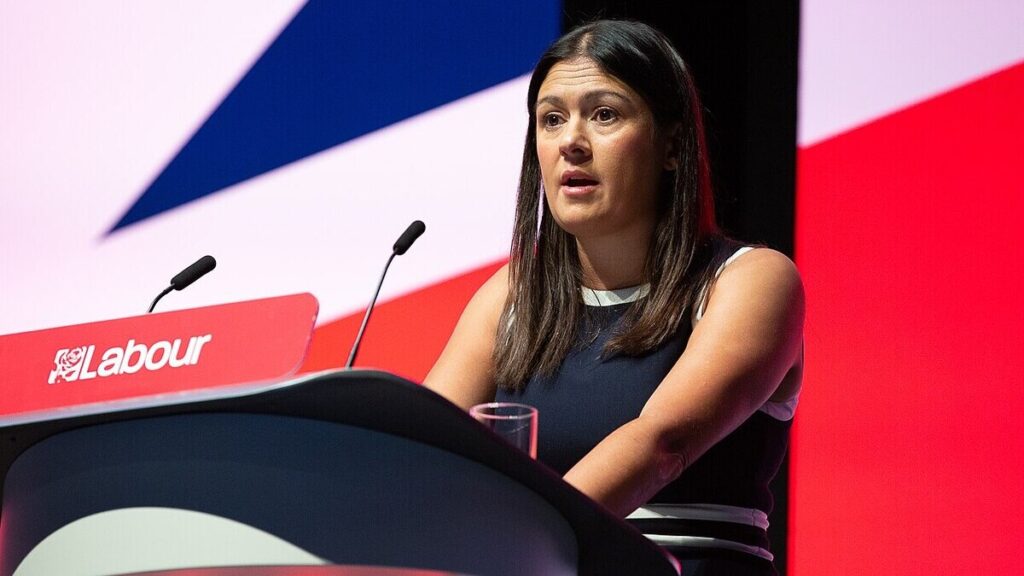
Culture Minister Lisa Nandy said that people who place bets deserve reassurance that the services they use are regulated and provide the necessary protections. According to her, a situation in which unlicensed operators boost brand awareness through the biggest clubs and potentially drive fans to websites that do not meet required standards is unacceptable.
The Betting and Gaming Council, representing the licensed sector of the industry, backed the government’s plan. The organisation stressed that companies without a licence should not be able to borrow the “visibility and credibility” of English football and must meet high UK regulatory standards.
What opponents say—and how they make their case
Opponents of strict restrictions point out that many iGaming brands known worldwide do not have a UK licence. These include 1xBet, 1Win, Melbet, Pin‑Up and Mostbet. All of them hold offshore licences, which does not prevent them from being popular among players.
Much of such brands’ popularity comes from hit games, among which in-demand arcade-style games rank among the top, such as Aviator, Jet X, Lucky Jet and Aviatrix. The 1Win online platform even has its own game of this kind — Lucky Jet. On the site about the Lucky Jet game for 1Win, where you can find Andoid app here, it cites figures showing the platform’s growing popularity. In terms of popularity, the app has already overtaken many hit mobile games, as well as PC and console titles.
Opponents of the tougher stance argue that players’ choices in this case depend on having appealing games and do not depend on having a UK licence. As a result, a strict ban would only affect clubs’ revenues.
Premier League self-regulation and the remaining loophole
Premier League clubs have collectively agreed to remove betting logos from the front of match shirts by the end of the current season. This is a step toward tighter restrictions; however, it does not close off all advertising formats.
Sleeve sponsorship can still carry betting branding, including brands of unlicensed firms. The government views this as a serious loophole: unregulated companies retain a prominent presence in the country’s most-watched sports league. It is precisely brand exposure in the Premier League that is seen as a key risk factor capable of directing consumers to sites that lack the protections ensured by regulatory oversight.
Operating as a betting company in the UK requires a national licence, and the Gambling Commission oversees the market and compliance.
The post The UK government prepares a ban on sponsorship by unlicensed bookmakers appeared first on Ten Sports TV.