



















The Oil Shock Is No Longer Theoretical — It’s Hitting the Global Economy
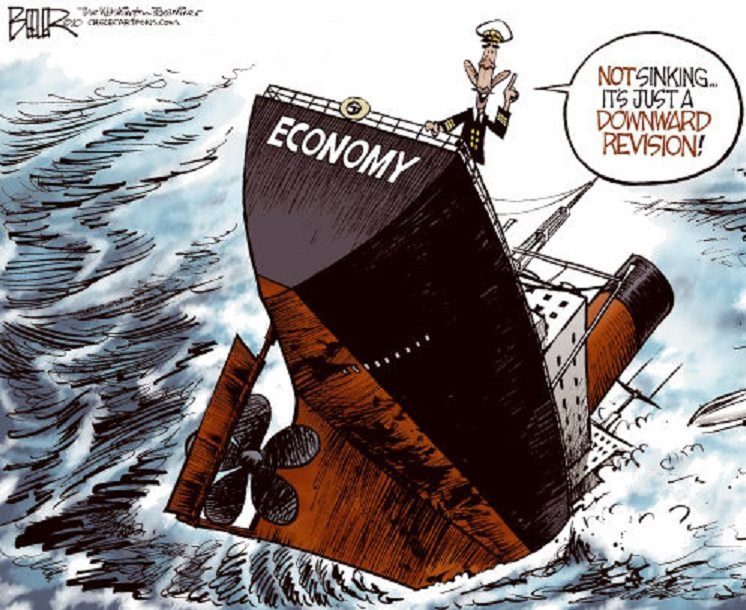
The economic impact of the Iran war has moved from projection to reality. For the first time since the conflict began, hard survey data is confirming what markets had feared: business activity is slowing sharply across the world, energy costs are driving prices higher, and the twin threat of stagnation and inflation is beginning to materialise simultaneously.
The evidence came on Tuesday from the first wave of Purchasing Managers’ Index surveys published since the outbreak of hostilities. PMI readings — widely regarded as one of the most reliable real-time indicators of economic health — measure business activity across manufacturing and services. A reading above 50 signals expansion. Below 50 signals contraction. The closer the number edges toward that threshold, the weaker the growth impulse.
What the March data showed was deeply uncomfortable.
In the eurozone, private sector activity dropped to 50.5, down from 51.9 in February and below the 51 economists had forecast. The currency bloc’s economy is now hovering just above the dividing line between growth and contraction. Commerzbank economists were blunt in their assessment, noting that the Iran conflict “is leaving its first traces” across European business sentiment. S&P Global Market Intelligence economist Chris Williamson went further, warning that the eurozone survey was “ringing stagflation alarm bells” as prices surged sharply while growth deteriorated. The damage was not confined to Europe. Survey data from Australia and other economies painted a similarly subdued picture, underscoring that the shock being transmitted through energy markets is global in character, not regional.
Stagflation — the combination of slowing growth and rising prices that plagued the Western world in the 1970s — is the word economists are reaching for. It is also the most difficult economic environment for policymakers to navigate. When growth is weak, the instinct is to cut interest rates to stimulate activity. When inflation is high, the instinct is to raise them. When both are happening at once, central banks are effectively trapped.
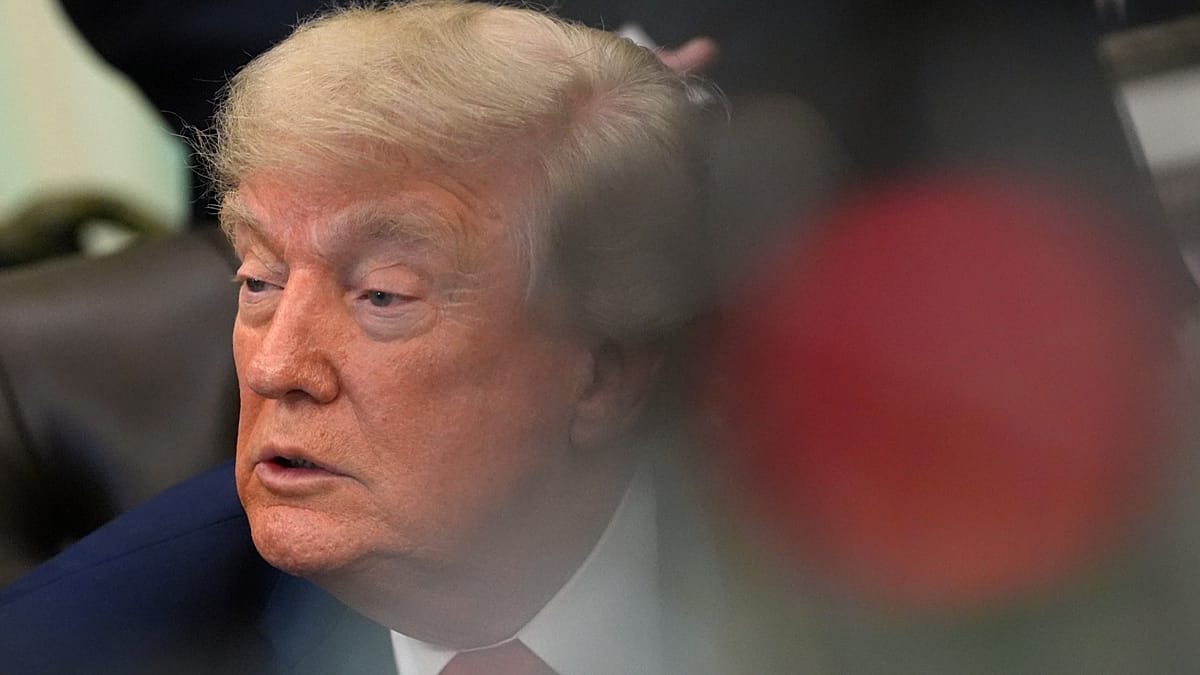
The mechanism is straightforward. Brent crude prices have remained above $100 per barrel since the conflict entered its current phase, pushing energy costs for businesses and consumers sharply higher. Global supplies of liquefied natural gas have tightened dramatically following Iranian strikes on Qatar’s Ras Laffan complex, removing 17% of the country’s LNG export capacity from the market and creating supply gaps that European and Asian importers are scrambling to fill. As Trump’s attempts to talk down oil prices have failed to convince markets, the physical reality of the supply disruption continues to override diplomatic messaging.
For the ECB, the timing could scarcely be worse. Prior to the conflict, the central bank had held its deposit rate at 2% through four consecutive meetings, with markets pricing a meaningful chance of cuts in the second half of 2026. Those expectations are now being quietly walked back. A sustained oil price above $100 adds an estimated 0.6–0.7 percentage points to eurozone inflation — pushing it well above the 2% target the bloc had only just achieved in December. Cutting rates into an inflationary shock would be difficult to justify. Holding them while growth collapses risks accelerating the slowdown. Neither path is clean.
The Federal Reserve faces the same dilemma from a different angle. US growth has been resilient, but energy-driven inflation complicates the rate path in both directions. For European banks that had positioned for a stable rates environment into 2027, the repricing of the macro outlook introduces new uncertainty into net interest income projections that had looked settled just weeks ago.
One set of PMI readings does not confirm a recession, and the data could stabilise if the conflict de-escalates. But the direction is unambiguous. Business confidence is falling, prices are rising, and the first hard evidence that the oil shock is feeding into the real economy has now arrived.
What began as a market shock is now evolving into a broader economic slowdown. The only question is how far it goes.
The post The Oil Shock Is No Longer Theoretical — It’s Hitting the Global Economy appeared first on European Business & Finance Magazine.