
























The Islamabad Collapse: Trump Orders Hormuz Blockade as Oil Hits $104

Quick Answer
As of Monday 13 April 2026, West Texas Intermediate is trading at $105 per barrel, up 9%, and Brent has risen 8.5% to $103 after peace talks between the US and Iran collapsed in Islamabad and President Trump ordered the US Navy to blockade the Strait of Hormuz. JPMorgan Chase commodities analysts have warned that pre-closure oil barrels will be fully exhausted from the global supply chain around April 20 — making the next seven days the most critical period for energy markets since the war began on February 28.
EBM Exclusive Take
The Islamabad talks were always a negotiation between two parties with fundamentally incompatible definitions of victory. Washington wanted Iran to surrender its nuclear programme and cede control of the Strait. Tehran wanted reparations, a regional ceasefire and frozen asset releases. Neither side was ever going to deliver what the other demanded inside 21 hours in Pakistan. What markets are now pricing is not just the failure of one round of talks — it is the realisation that no settlement framework currently exists that both sides can accept. Trump’s blockade announcement is best understood not as a military strategy but as a pressure tactic designed to collapse Iran’s remaining economic leverage. The risk is that it tightens supply further, accelerates inflation, and pushes a global economy already running on the edge into something considerably worse.
The ceasefire that briefly pushed Brent below $92 last week is now functionally irrelevant. Despite the truce officially remaining in place until April 22, only 17 vessels crossed the Strait on Saturday — down from roughly 130 daily transits before the war began. The structural supply disruption never ended. It merely paused long enough for markets to hope.
What Broke Down in Islamabad
The US delegation — led by Vice President JD Vance alongside special envoy Steve Witkoff and Jared Kushner — held talks with Iranian and Pakistani negotiators for more than 21 hours. The impasse was fundamental. Iran’s demands included control of the Strait of Hormuz, payment of war reparations, a regional ceasefire covering Lebanon and the release of its frozen assets abroad. Washington walked away after Iran refused to provide an affirmative commitment not to seek a nuclear weapon. Iran’s foreign minister said his country had participated in good faith and was inches away from a memorandum of understanding before the US shifted its position. Both sides left Islamabad accusing the other of inflexibility. Neither account is implausible.
The Blockade and What It Actually Means
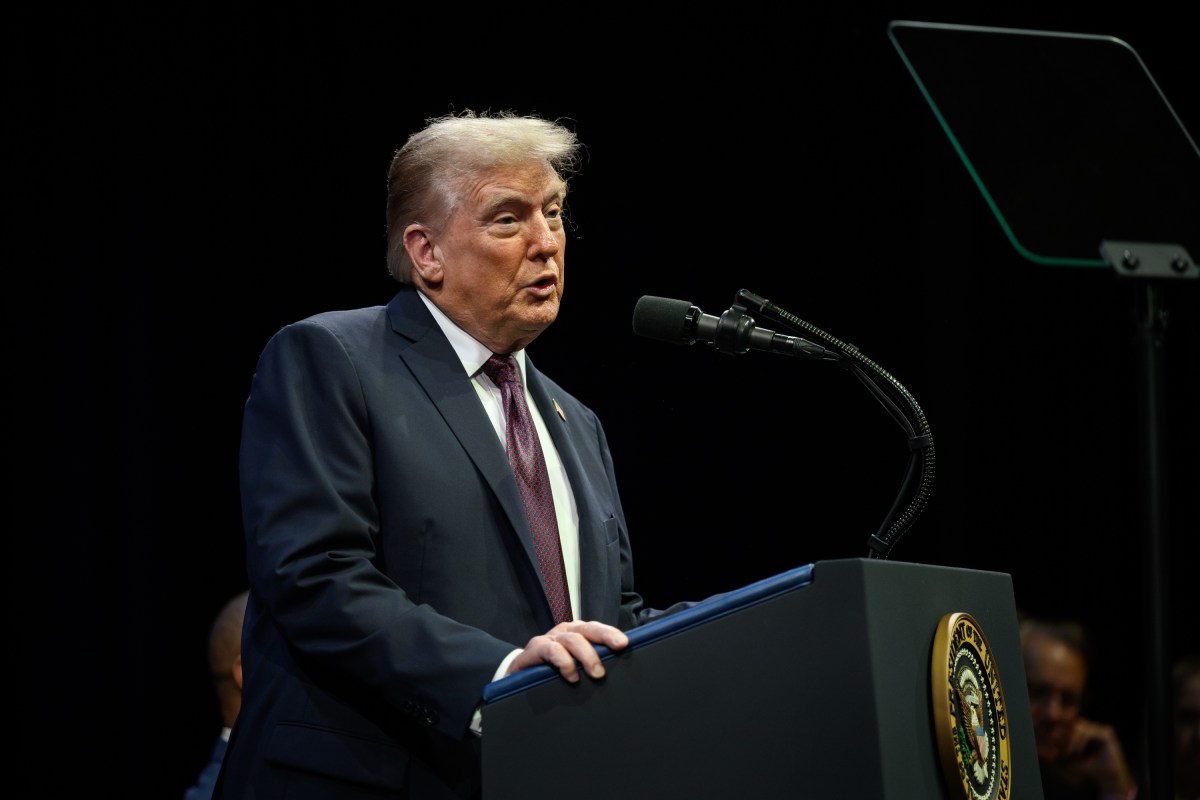
Trump’s announcement was characteristically maximalist — the US Navy would blockade any and all ships entering or leaving the Strait. US Central Command subsequently narrowed the scope, clarifying that the blockade would apply only to maritime traffic entering and exiting Iranian ports, with vessels transiting to non-Iranian ports unimpeded. Markets moved on the headline, not the clarification. Wholesale gas prices spiked 6%, heating oil — a proxy for jet fuel costs — jumped 10%, and Dow futures fell more than 500 points in early trading. According to US Central Command’s official statement, the blockade came into effect at 10am ET Monday. Iran’s Islamic Revolutionary Guard Corps warned that any military vessels approaching the Strait would be dealt with harshly — a signal that the ceasefire, however nominally intact, is under severe pressure.
The Supply Clock
Senior energy economists have warned that oil prices will remain elevated well into the end of 2026 regardless of how the diplomatic picture evolves — because prices cannot fall until the Strait is reopened and damaged oil facilities are repaired, both of which represent enormous and unsolved variables. According to the IEA’s latest emergency assessment, the scale of supply disruption from six weeks of Hormuz closure is without modern precedent. As EBM has tracked since the conflict began, the structural damage to global supply chains is not reversible on a short timeframe regardless of when a settlement is reached.
What It Means for Europe
The stagflation risk European central banks have been managing since late February has now been materially extended. A sustained $100-plus oil price into Q2 and Q3 2026 removes any remaining case for rate cuts at the ECB or Bank of England. European manufacturers already facing 30% energy surcharges are staring at a demand environment that deteriorated again overnight. The Wall Street trading desks that booked record revenues from Q1 volatility are already positioning for another quarter of extreme market movement. The geopolitical deadlock that enriched them in Q1 is not resolving — it is deepening. For the real economy on both sides of the Atlantic, that is the only number that matters right now.
Related Analysis
The post The Islamabad Collapse: Trump Orders Hormuz Blockade as Oil Hits $104 appeared first on European Business & Finance Magazine.