





















The IEA Has a Warning Markets Haven’t Priced Yet: The Worst of the Oil Crisis Is Still Ahead

Quick Answer
IEA Executive Director Fatih Birol warned Monday that oil prices do not yet reflect the severity of the supply crisis caused by the Iran war — and that they will. Thirteen million barrels a day of supply have been shuttered, more than 80 energy facilities have been damaged, and a full recovery could take up to two years even after the Strait of Hormuz reopens. The IEA has described the current disruption as the largest in the history of the global oil market — worse than 1973, 1979 and 2022 combined.
EBM Exclusive Take
Fatih Birol is not a man given to hyperbole. When the head of the International Energy Agency says oil prices do not yet reflect the severity of the crisis, he is not managing expectations — he is issuing a statement of fact about a disconnect between market pricing and physical reality that will close, painfully, as the supply chain consequences of six weeks of Hormuz disruption work their way through the global economy. The blockade, the White House’s confused messaging, the possibility of a second round of talks — none of this changes the physical reality Birol is describing. Eighty energy facilities are damaged. Recovery takes years, not weeks. The price of energy in Europe this summer will be determined not by diplomatic progress but by the state of infrastructure that cannot be repaired on a politician’s timeline.
The Islamabad talks collapsed. The US naval blockade is in effect. A second round of negotiations may or may not materialise. And through all of it, the head of the world’s foremost energy authority delivered a message on Monday that cut through the diplomatic noise with unusual clarity: the oil price you are looking at does not yet reflect what is happening in the global supply system.
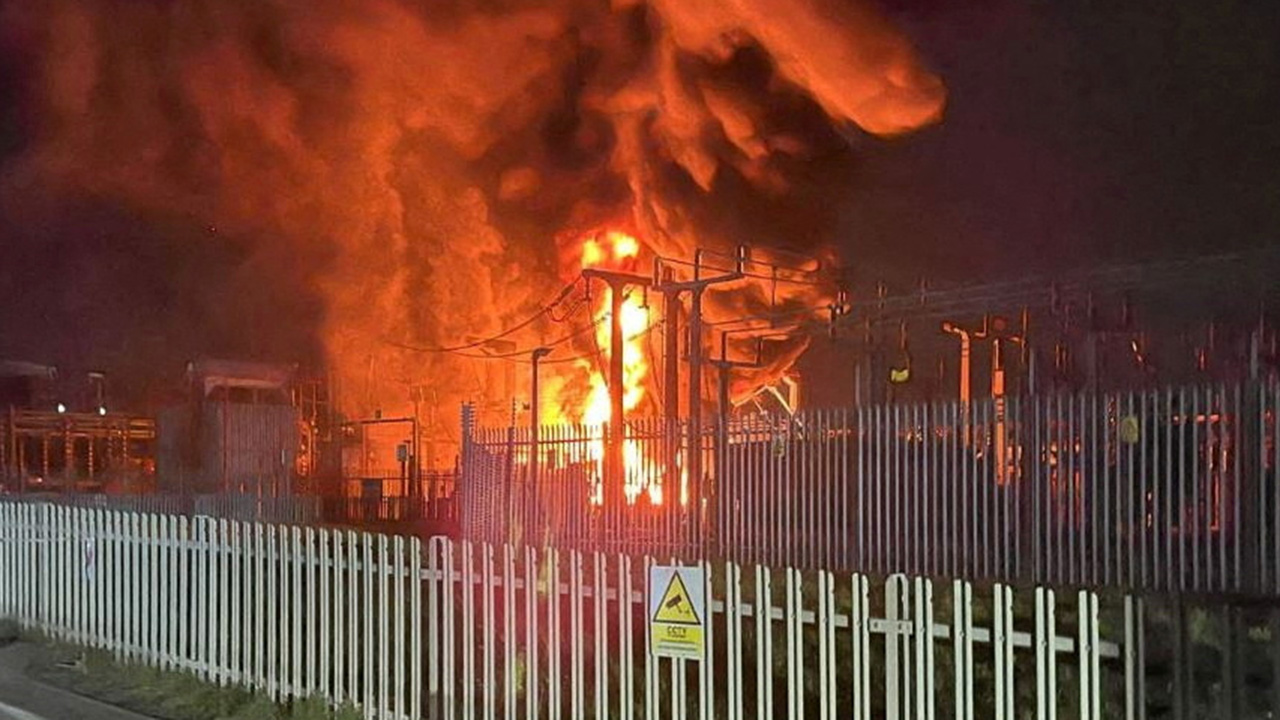
Speaking at an Atlantic Council event in Washington, IEA Executive Director Fatih Birol confirmed that approximately 13 million barrels a day of oil supply have been shuttered by the Iran war and the near-closure of the Strait of Hormuz. More than 80 energy facilities have been damaged during the hostilities. A recovery, he warned, could take as long as two years — meaning that even a swift diplomatic resolution does not restore supply on any timeline that markets are currently assuming.
Bigger Than Every Previous Crisis Combined
The scale of what Birol is describing requires context to fully absorb. The 1973 oil shock — triggered by the Arab OPEC embargo — removed approximately 5 million barrels per day from global supply and drove multiple developed economies into recession. The 1979 shock, a consequence of the Iranian Revolution and the Iran-Iraq war, produced a similar supply loss. Together, those two defining crises of the twentieth century energy economy removed roughly 10 million barrels per day from global markets.
The current disruption has removed 13 million barrels per day — and that figure is still rising as the blockade tightens and Gulf production cuts compound. Birol has described the current situation as more serious than 1973, 1979 and 2022 combined. The gas dimension compounds the oil figure: the LNG shortfall from the Gulf, following Qatar’s force majeure declaration after Iranian missile strikes reduced Ras Laffan’s export capacity, exceeds the gas supply loss from Russia’s 2022 invasion of Ukraine. Europe, which spent four years diversifying away from Russian gas, has walked into a second energy shock before the first was fully resolved.
Why Prices Haven’t Caught Up
Birol acknowledged a disconnect — oil futures trading near $100 in London represent a 64% rally since the start of the year, but still sit considerably below the supply fundamentals. The explanation lies in the residual inventory effect. March shipments — cargoes that transited the Strait before the war began — are still arriving at ports. Strategic reserve releases, including the IEA’s record 400 million barrel coordinated release across its 32 member countries, have provided a buffer. And ceasefire optimism has repeatedly interrupted price discovery, pulling markets back from levels that pure supply analysis would justify.
That buffer is now exhausting itself. JPMorgan Chase commodities analysts warned last week that pre-closure oil barrels will be fully depleted from the global supply chain around 20 April. The IEA’s reserve release, while historically unprecedented, reduces member stockpiles by approximately 20% — a meaningful cushion but not a structural solution. As EBM has reported on the Hormuz blockade’s market impact, the price signal has been repeatedly suppressed by diplomatic noise. When that noise stops — and Birol is suggesting it will — the convergence will be sharp.
The European Exposure
The IEA chief was explicit about the geographic sequence of the crisis. Asia has been hit hardest first — Japan sources 95% of its oil from the Middle East, and Asian LNG buyers have been forced onto spot markets where Europe typically competes for supply, driving prices sharply higher. The shortage of jet fuel and diesel, Birol said, is already acute in Asia and will reach Europe in April or early May.
For European businesses already navigating energy costs that have doubled since the conflict began, the IEA warning carries direct operational consequence. Diesel shortages affect logistics, manufacturing and agriculture simultaneously. Jet fuel shortages ground flights and disrupt supply chains. European electricity prices, which are set at the marginal cost of natural gas, will rise as Asian competition for spot LNG intensifies. The stagflation scenario that European central banks have been attempting to manage is not a forecast. According to the IEA, it is already in motion — and the worst of it has not yet arrived.
What Cannot Be Fixed Quickly
The most significant element of Birol’s warning is not the price forecast — it is the infrastructure timeline. More than 80 energy facilities damaged. Recovery that could take up to two years. These are not diplomatic variables. They are engineering realities that exist independently of whether the US and Iran resume talks, whether the blockade is modified or lifted, or whether a ceasefire holds.
The Strait can be reopened. The tankers can resume transit. The sanctions can be lifted. None of that repairs a refinery, restores a gas liquefaction facility or rebuilds a pipeline that has been struck by a missile. The Nigerian-Moroccan pipeline debate now looks less like a long-term strategic option and more like the medium-term necessity it has always been. Europe’s energy architecture — built around assumptions of Gulf supply reliability that no longer hold — faces a structural redesign whether policymakers choose to acknowledge that or not. The IEA has acknowledged it. The question is whether markets and governments catch up before the price does it for them.
Related Analysis
The post The IEA Has a Warning Markets Haven’t Priced Yet: The Worst of the Oil Crisis Is Still Ahead appeared first on European Business & Finance Magazine.