



























The European Commission has imposed a fine of 120 million euros on platform X
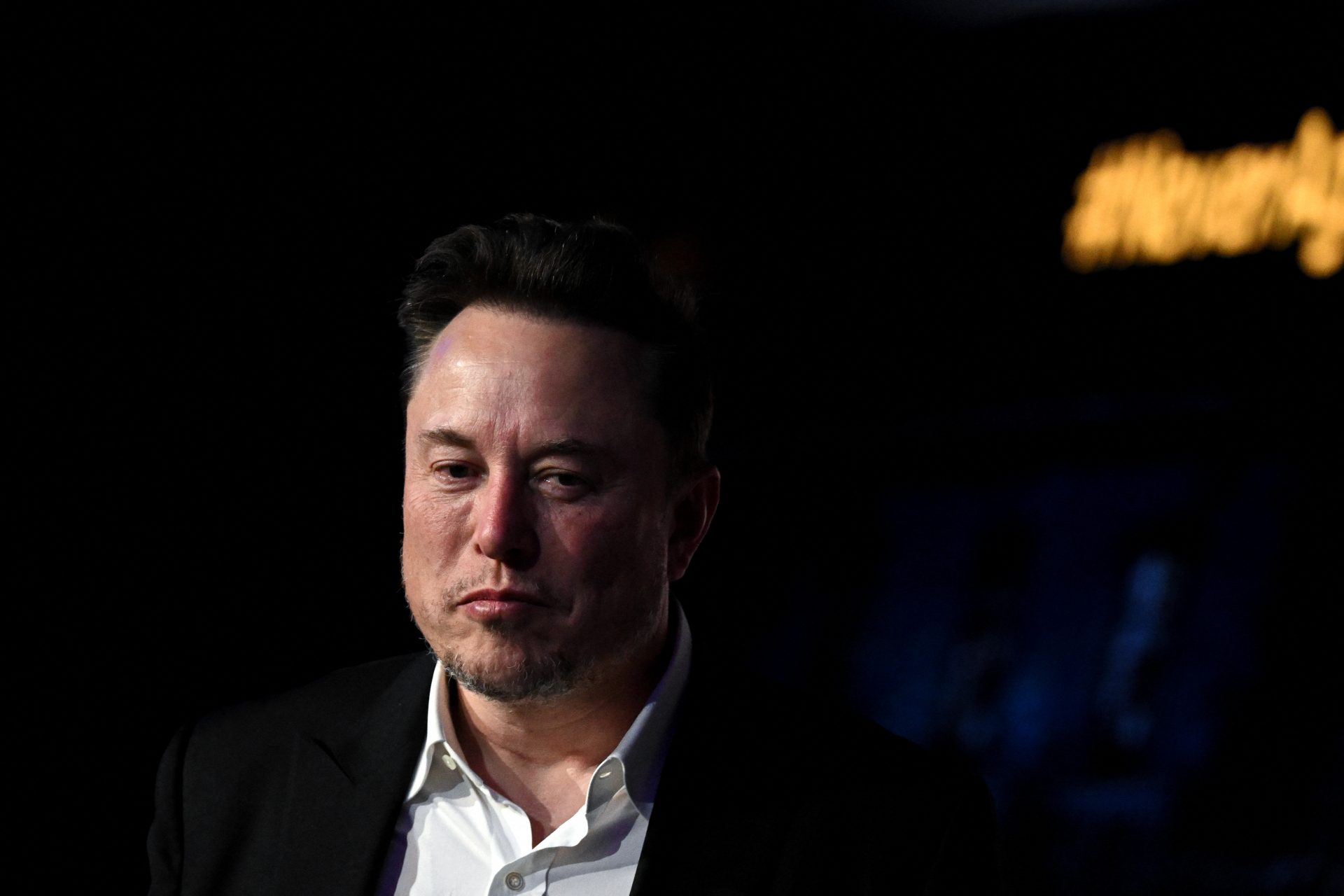
On Friday, the European Commission imposed a fine of 120 million euros on the platform X, owned by billionaire Elon Musk, for non-compliance with the Digital Services Act (DSA) in the area of transparency. The Chinese TikTok avoided penalties for lack of transparency – the EC found that it had responded to its comments.
This is the first fine imposed by the EC on a digital giant since the DSA entered into force.
As part of the proceedings conducted over the past two years against X, the Commission concluded that the platform violates three DSA provisions: it uses the “blue check mark” for user verification in a misleading way, it does not have a transparent advertising repository, and it does not provide data for research in a manner compliant with the regulations.
The fine for violating DSA provisions can reach 6 percent of a tech company’s annual global turnover. Asked by journalists whether the fine is high enough to make an impression on Musk, an EU official speaking on condition of anonymity noted that the EC has only just concluded the first of the proceedings conducted against X.
“We do not set the fine (amount – PAP) on the basis of a potential percentage of the maximum sum we can obtain. We base it on the gravity of the infringements. This investigation concerned transparency. The others, concerning manipulation of information and the handling of illegal content, are ongoing,” he said.
In the Commission’s assessment, X is misleading because it operates its interface for “verified accounts” with a blue check mark in a way that does not correspond to industry practice: such “verified” status can be obtained by anyone who pays for it. The EC found that this negatively affects users’ ability to make informed decisions about the authenticity of the accounts and content with which they interact. The Commission also pointed out that the platform does not have a searchable advertising repository and does not make its public data available to researchers in accordance with the conditions set out in the DSA.
Earlier, the EC’s attention was also drawn to the political activity in Europe of X’s owner, Musk. It examined, among other things, the broadcast of an interview that Musk conducted in January with Alice Weidel, leader of the far-right party Alternative for Germany (AfD). It would be contrary to the DSA if the platform had given this conversation special visibility among X users.
Musk’s cooperation with US President Donald Trump has ended, but the US administration remains highly critical of the EU’s digital policy. The Union wants digital giants to take responsibility for the content published on their platforms and not to abuse their dominant market position in relation to smaller enterprises.
Even before the EC published its decision, US Vice President J.D. Vance warned it against imposing a fine on X. The EU should support freedom of speech and not “attack American companies” without reason, he wrote.
In August, Trump threatened tariffs on all countries that introduce digital taxes or apply regulations limiting the activities of big techs. At the end of November, US Commerce Minister Howard Lutnick announced during a visit to Brussels that the US would address the issue of high US tariffs on steel and aluminum from the EU once the Community makes use of his “advice and guidance” on digital policy.
Also on Friday, the EC decided to close the proceedings conducted against the Chinese social media platform TikTok in the area of advertising transparency. “TikTok has presented a very comprehensive set of commitments that address our concerns,” the Commission reported.
However, it is still conducting proceedings against TikTok initiated after the annulment of the first round of the presidential elections in Romania in December 2024. The investigation concerns TikTok’s policy on political advertising and paid political content. The EC has information provided by the Romanian authorities from declassified intelligence reports.
Large digital companies with a dominant position on the EU market are subject to the Digital Services Act (DSA) and the Digital Markets Act (DMA).
The DSA imposes requirements on large digital platforms and internet search engines, among other things regarding content moderation, the use of algorithms, combating disinformation and hate speech, and labeling political content. Some DSA provisions have been in force in the EU since November 2022. It has been fully applicable since February 2024. (05.12.2025)