





























The EU border control system starts to be implemented at Bulgarian land border crossing points
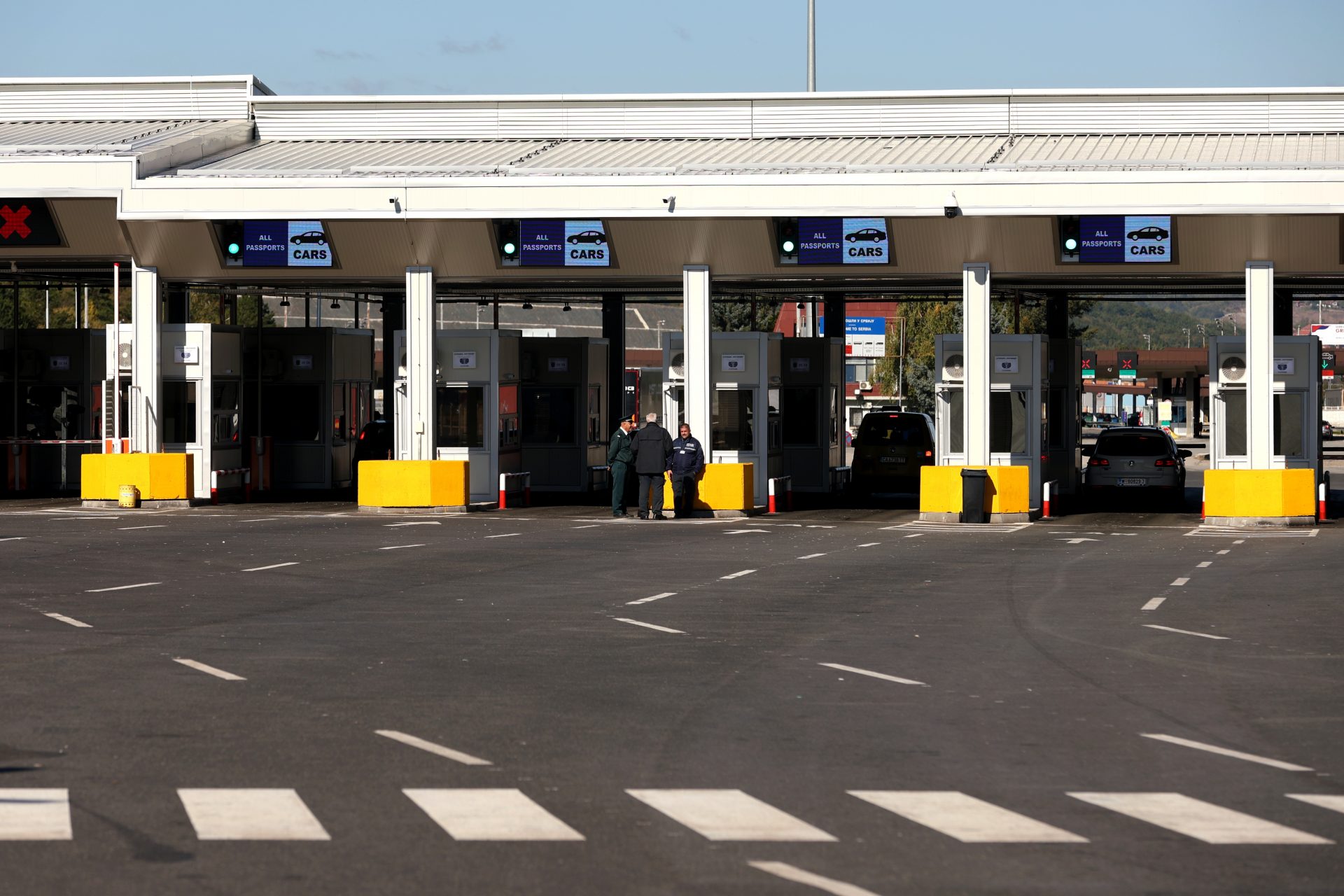
SOFIA – The Entry/Exit System of the European Union (EES) is starting to be implemented at the Bulgarian land border crossing points. This was announced by the Ministry of the Interior.
The system will be applied at the following points: on the Bulgarian-Turkish border – the border crossing points “Kapitan Andreevo”, “Lesovo” and “Malko Tarnovo”; on the Bulgarian-Serbian border – the border crossing points “Strezimirovtsi”, “Bregovo” and “Vrashka Chuka”; on the border with the Republic of North Macedonia – the border crossing points “Gyueshevo”, “Stanke Lisichkovo” and “Zlatarevo”.
The operation of the EES continues at the “Kalotina” border crossing point and at all external air, river and sea borders where the system was initially implemented on 12 October 2025, the Ministry of the Interior further indicated.
The EES records the data of citizens of non-EU countries who travel for short-term stays (up to 90 days within a period of 180 days) when crossing the external borders of the Member States. The border check of people falling within the scope of the system includes the collection of biographical information and the taking of biometric data at the border crossing point (photo and fingerprints). The purpose of the EES is to help prevent illegal immigration and to increase security in the Schengen area, the Interior Ministry added.
The Member States of the European Union began on 12 October last year the introduction of a new system for control at the external borders of the bloc, which electronically registers the data of citizens of third countries. Citizens of non-EU countries must register their personal data upon their first entry into the Schengen area – all EU Member States except Ireland and Cyprus, but including Iceland, Norway, Switzerland and Liechtenstein. For subsequent trips, only a biometric facial check will be required. The system is expected to become fully operational by 10 April 2026, with the passport stamp being replaced by an electronic record. (06.01.2026)