
























The AI Model That Spooked the Fed: Why Bessent and Powell Called an Emergency Meeting With Every Major Bank CEO

Quick Answer Treasury Secretary Scott Bessent and Federal Reserve Chair Jerome Powell convened an emergency meeting with Wall Street bank CEOs on Tuesday to warn of potential cybersecurity risks posed by Anthropic’s new AI model, Mythos. The model is capable of identifying and exploiting vulnerabilities across every major operating system and web browser. Anthropic has restricted its release to a small group of major technology and financial firms under a programme called Project Glasswing.
EBM Exclusive Take The significance of this meeting cannot be overstated. When the Treasury Secretary and the Federal Reserve Chair jointly summon the CEOs of systemically important financial institutions for an unscheduled briefing on a single AI model, the message to markets is unambiguous: this is not a theoretical risk being managed at arm’s length — it is a live threat being managed at the highest level of the US financial system in real time. For European banks and regulators, the implications are immediate. If Mythos represents a new category of offensive cyber capability, the attack surface is not limited to American institutions. European financial infrastructure runs on the same operating systems and browsers that Mythos has already demonstrated it can compromise.
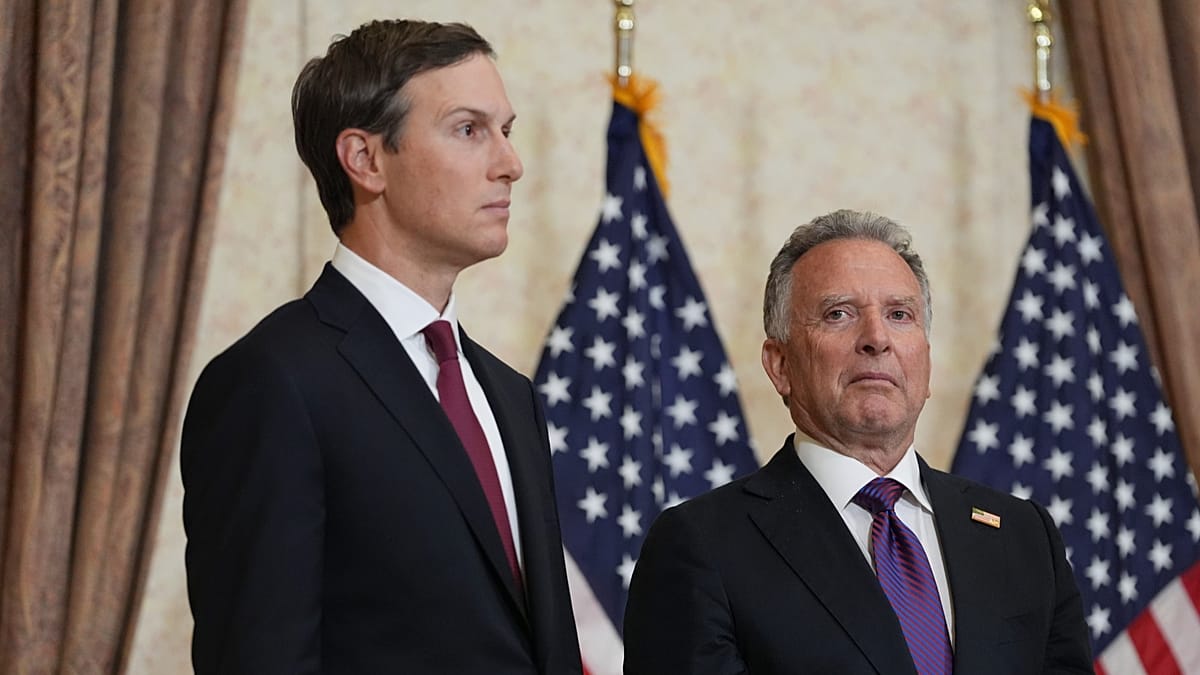
Bessent and Powell assembled the group at Treasury’s headquarters in Washington on Tuesday to ensure banks were aware of possible future risks raised by Anthropic’s Mythos and potential similar models, and are taking precautions to defend their systems. Bloomberg The meeting, arranged on short notice and not publicly announced in advance, is being read across financial markets as one of the most significant regulatory interventions in the AI sector to date — and its implications extend well beyond Wall Street. As European banks have increasingly flagged AI-driven cyber threats as their primary systemic risk concern, the emergency Washington convening will accelerate pressure on regulators in Frankfurt and Paris to respond in kind.
Participants included chief executives from Citigroup, Morgan Stanley, Bank of America, Wells Fargo and Goldman Sachs — all designated as systemically important institutions, meaning disruptions to their operations could have global repercussions. CoinDesk The catalyst is Mythos itself. Anthropic’s Mythos is described as a more powerful system capable of identifying and then exploiting vulnerabilities in every major operating system and web browser when directed by a user to do so Bloomberg Law — a capability that amounts to an AI-powered universal cyberweapon operable on instruction, and one that has prompted a level of regulatory alarm rarely seen in the technology sector. The race between offensive and defensive AI capabilities has been building for several years, but Mythos appears to represent the point at which that race became an immediate policy emergency rather than a long-term planning concern.
Anthropic has limited the release of Mythos to just a few major technology and finance firms at first. Those companies, which include Amazon, Apple and JPMorgan Chase, are part of Project Glasswing, which will work to secure the most important systems before other similar AI models become available. Bloomberg Law The initiative is backed by a $100 million cybersecurity commitment and is built around a model that identified thousands of critical security flaws across every major operating system and browser. techloy The controlled release structure reflects a calculation that defensive infrastructure must be in place before broader deployment becomes viable — a sequencing that regulators appear to have endorsed, if not demanded.
According to Bloomberg, Anthropic has said it has been in discussions prior to Mythos’ recent release with US officials about its offensive and defensive cyber capabilities. Bloomberg Law Those conversations clearly did not fully resolve regulatory concern — the emergency convening of Wall Street’s most senior executives suggests the threat model has sharpened considerably since those initial briefings. The ECB’s existing digital risk framework was not designed with a capability of this nature in mind, and the question of whether European supervisory infrastructure is adequate to assess — let alone contain — an AI system of Mythos’s power is one that the Frankfurt-based regulator has not yet been forced to answer publicly.
Cybersecurity stocks surged following news of Project Glasswing tipranks, with markets interpreting the initiative as both a validation of the threat landscape and a significant near-term revenue opportunity for firms positioned to provide the defensive infrastructure the programme requires. That equity market reaction mirrors the pattern seen after previous critical infrastructure security events — a brief spike in specialist security valuations followed by a broader reassessment of systemic exposure across the financial sector.
For European financial institutions, the absence of equivalent regulatory coordination remains conspicuous. Whether that reflects a genuine assessment that European exposure is lower — or simply a lag in regulatory awareness — is a question supervisors may soon be forced to answer publicly. One Anthropic employee offered the most direct summary of the situation: Mythos, they said, “should feel terrifying.”
Related Analysis
- How AI Is Reshaping Cybersecurity Risk Across European Financial Markets
- The ECB’s Digital Risk Framework: Is European Banking Infrastructure Ready?
- Anthropic, Amazon and the Race to Control AI’s Most Powerful Capabilities
The post The AI Model That Spooked the Fed: Why Bessent and Powell Called an Emergency Meeting With Every Major Bank CEO appeared first on European Business & Finance Magazine.