


























The $5B Ghost Stadium Arbitrage: Why Apollo & Blackstone are Buying European Land in 2026
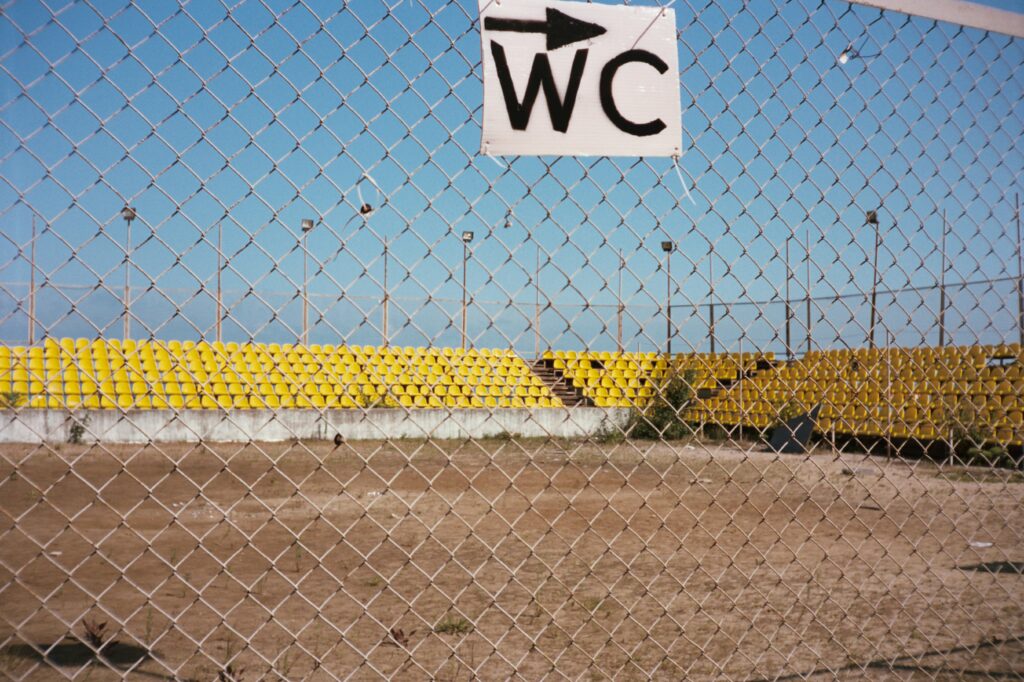
The team is almost irrelevant. That is the conclusion a growing number of sophisticated investors have quietly reached as they survey the landscape of European sports venues—ageing stadiums in prime urban locations, sitting on land that would be worth infinitely more as a mixed-use development than as a football ground with a few thousand fans rattling around inside it.
This is the “Ghost Stadium Thesis”: the idea that some of the most compelling real estate investment opportunities in European cities are currently disguised as sports clubs. And private equity has found it.
Quick Takeaways: The Stadium Real Estate Pivot
-
The Asset Wrapper: Investors are increasingly treating the football club as a “cultural wrapper” for high-value urban land.
-
The “Live-Work-Play” Model: 2026’s most successful developments (like Centennial Yards) integrate residential and office space directly into the stadium footprint.
-
Institutional Influx: Firms like Apollo and Blackstone are launching multi-billion dollar vehicles specifically targeting sports infrastructure.
-
The 365 Revenue Loop: AI-driven scheduling and Padel court integration are turning dark stadiums into year-round cash cows.
| Investment Metric (2026) | Traditional Model | The “Ghost Stadium” Play |
| Primary Value Driver | Matchday Revenue / Media | Real Estate / Adaptive Reuse |
| Utilization Rate | <10% (30 days/year) | 85%+ (365-day District) |
| Capital Source | Local Owners / Bank Debt | Private Equity / Sovereign Wealth |
| Data Integration | Ticketing Only | Full Ecosystem (Wero/AI/IoT) |
The Land Play Nobody Is Talking About
The conventional narrative around private equity in sport focuses on media rights, brand building, and the Wrexham model of celebrity ownership. That story is real, but it is only part of what is happening.
The deeper play is real estate. Stadiums across Europe were built in the post-war decades on land that was, at the time, on the urban periphery. Cities have grown around them. What was once a patch of industrial scrubland is now a prime central location with transport links and residential demand.
The Live-Work-Play Blueprint
The model being deployed most aggressively is what American investors call the “live-work-play” district—a mixed-use development built around a stadium anchor. The stadium becomes the amenity that justifies premium residential pricing; the football club provides the identity; the real estate provides the returns.
Firms including Arctos Partners, RedBird Capital, Sixth Street, Apollo, and Blackstone are all actively pursuing stadium-adjacent opportunities. Apollo’s recent launch of a $5 billion sports investment vehicle explicitly targets infrastructure as part of its mandate.
The European Opportunity
European clubs are particularly fertile ground because many operate under governance structures that predate modern finance. Community ownership and family dynasties have left clubs asset-rich but cash-poor.
The same logic that has reshaped how BlackRock approaches alternative assets is now being applied here. Whether it is Saint-Étienne’s Stade Geoffroy-Guichard or Palermo’s Stadio Renzo Barbera, these are undeveloped urban real estate opportunities with an emotional community wrapper and existing planning footprints.
The Tech Layer and the Returns
What makes the thesis more compelling in 2026 is the technology infrastructure. Smart venues with sensor networks and AI-driven operational management are transforming stadium economics.
As AI reshapes physical infrastructure, stadiums that historically sat dark for 300 days a year are being repositioned as multipurpose entertainment venues. The asset “sweats” harder. The return per square metre improves. And as we’ve seen with the shift toward sovereign payment systems like Wero, these districts are becoming self-contained financial ecosystems.
The Risk Nobody Prices
The thesis is not without complications. Fan backlash against perceived asset-stripping is a potent political risk. Furthermore, the club must still function; a development built around a club that loses its fanbase or gets mired in disputes loses its anchor.
Until then, for investors who understand both the asset class and the community dynamics, the ghost stadium thesis remains one of the most compelling plays in European investment—hiding in plain sight, watched over by supporters who have no idea what the land beneath their feet is actually worth.
The post The $5B Ghost Stadium Arbitrage: Why Apollo & Blackstone are Buying European Land in 2026 appeared first on European Business & Finance Magazine.