























The £1.185 Billion Education: What David Beckham Understood About Money That Almost No Footballer Did
EBM WEEKEND READ
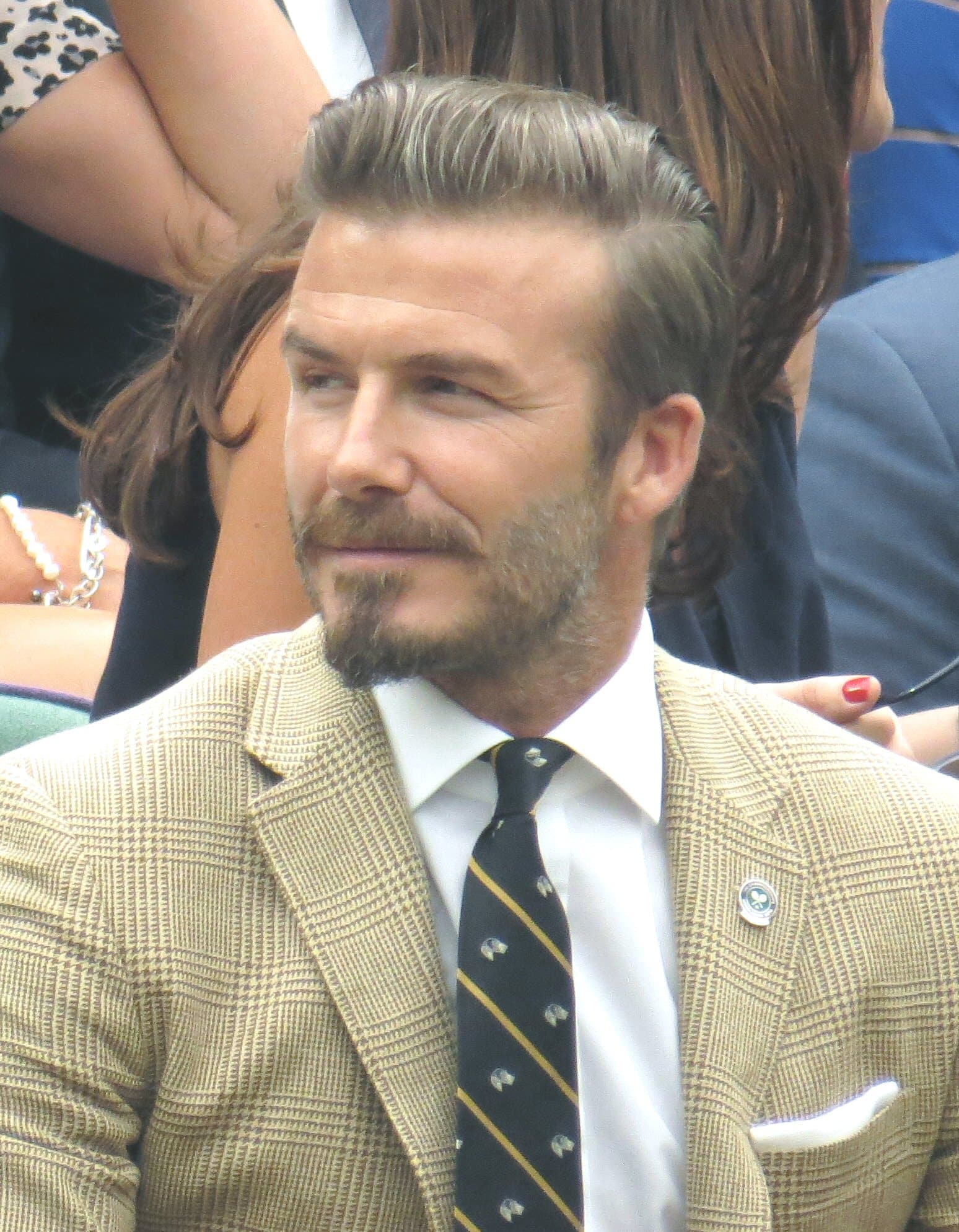
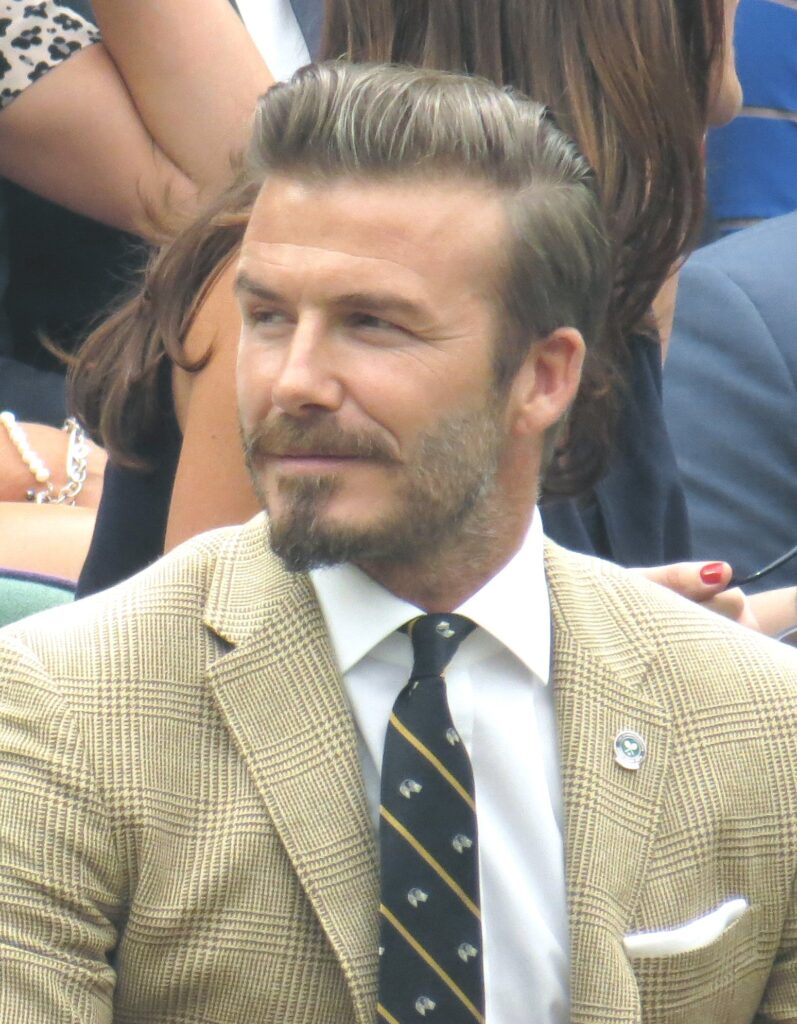
May 16th 2026-There is a line that gets used about David Beckham so often it has become invisible: that he was never the most talented footballer of his generation but became the most famous. The implication is that fame was the accident, the compensation prize, the thing that happened to fill the gap left by a deficit of genius. The Sunday Times Rich List 2026, published this week, renders that interpretation obsolete. David and Victoria Beckham’s combined fortune is now estimated at £1.185 billion — a rise from roughly £500 million last year — making David the first British sportsman in history to enter the billionaire bracket.
This is not a story about fame. It is a story about one of the most disciplined long-term capital allocation strategies in the history of sport — executed quietly, over two decades, by a man the commentariat spent most of that time condescending to.
The Clause That Changed Everything
The conventional reading of Beckham’s 2007 move to LA Galaxy is that it was a graceful exit — a sun-drenched semi-retirement in a league that didn’t really matter, sweetened by a reported $50 million annual package that included revenue sharing on merchandise, tickets, and corporate deals. That reading misses the most important line in the contract. Buried in the Galaxy agreement was an option to purchase a future MLS expansion team for $25 million — at a time when Major League Soccer was still developing and the long-term commercial upside of American soccer was far from obvious to anyone watching from the outside.
Beckham exercised that option. The resulting club, Inter Miami CF, co-founded in 2018, has been transformed by the 2023 signing of Lionel Messi, the 2025 MLS Cup victory, and the 2026 opening of Miami Freedom Park, a billion-dollar stadium and mixed-use development on the banks of the Miami River. Inter Miami is now valued at $1.45 billion — the most valuable club in Major League Soccer — with Beckham’s personal equity in the franchise estimated between $250 million and $300 million.
The $25 million option into a $1.45 billion asset is the kind of return that rewrites reputations. It sits alongside Masayoshi Son’s $30 billion conviction bet on OpenAI as one of the cleaner examples of an investor seeing a market before the market sees itself — the difference being that Beckham did it with $25 million and a football contract rather than a balance sheet built on Arm Holdings.
The American bet is made more striking by the context in which it was made. Monzo spent five years trying to crack the US market before retreating this year — stopped by regulation, partnership limitations, and the brutal economics of customer acquisition in a fragmented banking market. Beckham walked into the same country in 2007 and found the one structure — equity ownership in a sport with a clear 20-year demographic tailwind — that bypassed every obstacle that defeated the Europeans who came later.
Brand as Balance Sheet
 The Inter Miami stake is the headline but not the whole story. Beckham’s commercial architecture was being built in parallel for the entirety of his playing career — and the central insight driving it was that brand equity, properly managed, compounds differently from wages.
In 2022, Beckham sold a 55% stake in his brand management firm DB Ventures to Authentic Brands Group for approximately $269 million. Authentic Brands Group is the entity behind the licensing empires of Elvis Presley, Muhammad Ali, and Sports Illustrated — a company that specialises in turning cultural assets into perpetual royalty streams. Beckham’s decision to partner with ABG rather than simply continue collecting endorsement fees was a structural move: converting a personal brand into an institutional asset with a professional operator managing its long-term commercialisation.
Over the years Beckham has fronted campaigns for Adidas, Armani, Calvin Klein, Pepsi, Samsung, Vodafone, Gillette, Sainsbury’s, Breitling, H&M, BOSS, Haig and Coty — with a lifetime Adidas partnership forming the longest-running and most lucrative single relationship. Most athletes treat endorsements as income. Beckham treated them as brand investment — each partnership chosen partly for what it said about the Beckham identity and what that identity would be worth to the next partner in the chain.
The Netflix Dimension
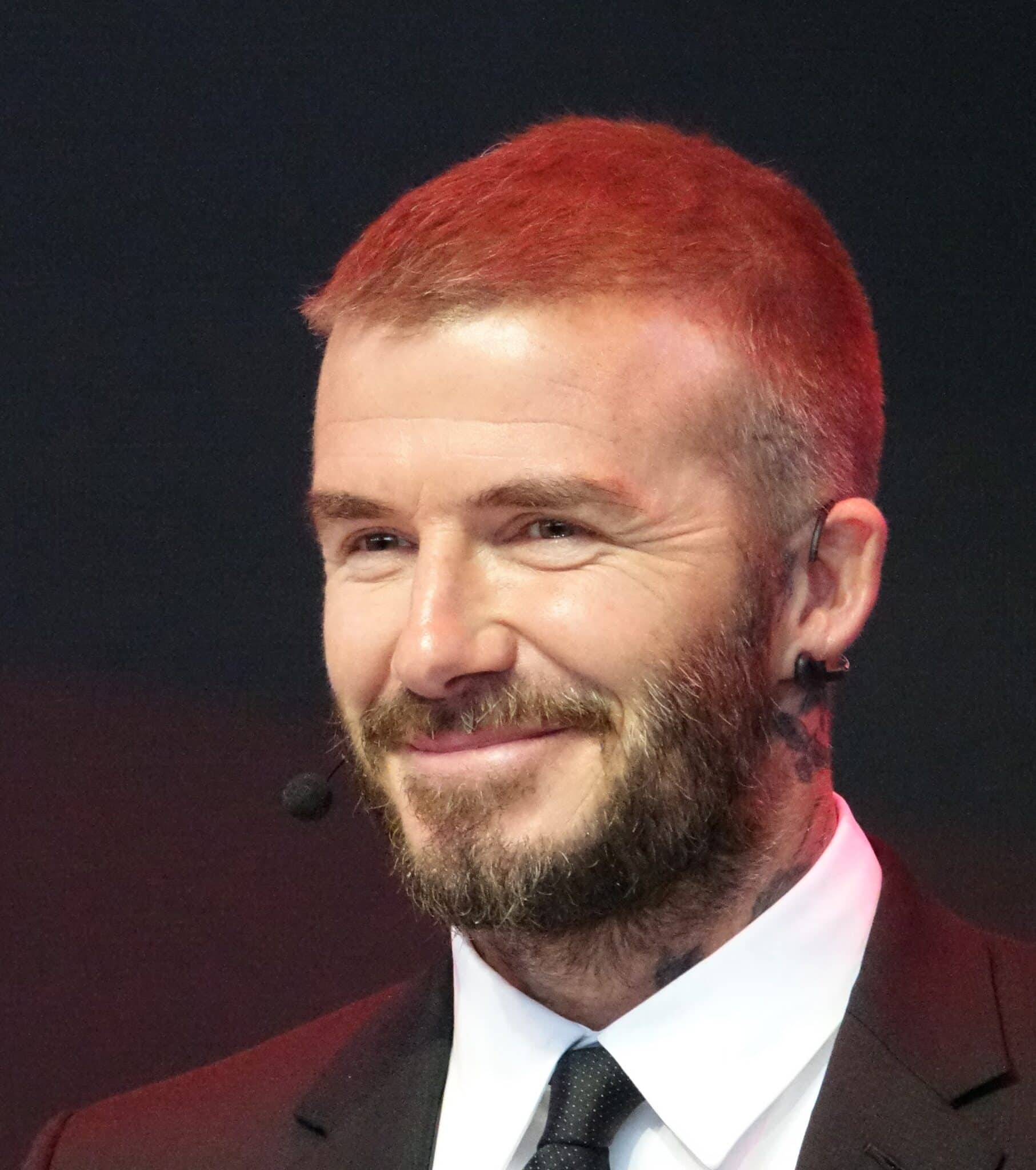
The Netflix documentary deal reportedly earned Beckham $36 million — but the more significant outcome was what it did to Inter Miami’s global profile at exactly the moment Lionel Messi arrived. The timing was not coincidental. A four-part series about the owner of the club that had just signed the greatest footballer in history, dropped into a streaming market of 260 million subscribers, was a marketing operation that no conventional advertising budget could have replicated. Revolut has spent years pursuing the same logic — that distribution at scale changes the economics of brand in ways traditional financial modelling cannot fully price. Beckham understood it intuitively twenty years earlier.
Victoria’s Empire
The Sunday Times figure is a combined one, and the Victoria Beckham contribution is substantial and consistently underestimated. Victoria’s namesake fashion brand has produced more than £100 million in revenue, while Reuters has reported that her beauty business alone could fetch as much as $700 million in a sale. The beauty operation — VB Beauty, built direct-to-consumer and expanded into major retail — follows the model that has driven extraordinary valuations across the sector: high-margin product lines built on an existing audience rather than acquired through advertising spend.
What the Billion Actually Means
Beckham is joined in the billionaire bracket by Barry and Eddie Hearn, whose Matchroom Sport empire is valued at £1.035 billion. The list highlights Lewis Hamilton at £435 million, Rory McIlroy at £325 million, and Anthony Joshua at £240 million. The gap between Beckham and every active British athlete on the list is not a gap in talent. It is a gap in financial architecture — in the willingness to convert earned income into equity, to treat the playing career as a platform rather than the destination, and to accept short-term uncertainty in exchange for long-term compounding.
Wall Street has spent years learning that the market consistently misprices assets it doesn’t fully understand. The LA Galaxy contract clause was an asset the market didn’t understand. American soccer’s commercial trajectory was an asset the market didn’t understand. The institutional longevity of the Beckham brand was an asset the market didn’t understand.
The $25 million option is the number future business school case studies will lead with. But the real lesson is longer and quieter: twenty years of decisions that looked like vanity projects and turned out to be capital allocation. The footballer who was never supposed to be the smartest player on the pitch just became the richest sportsman Britain has ever produced.
The market priced him wrong for a very long time.
Wriitten by Nick Staunton (Editor)
Related Analysis
The post The £1.185 Billion Education: What David Beckham Understood About Money That Almost No Footballer Did appeared first on European Business Magazine.