

























Tariff dispute: EU makes offer to electric car exporters in China
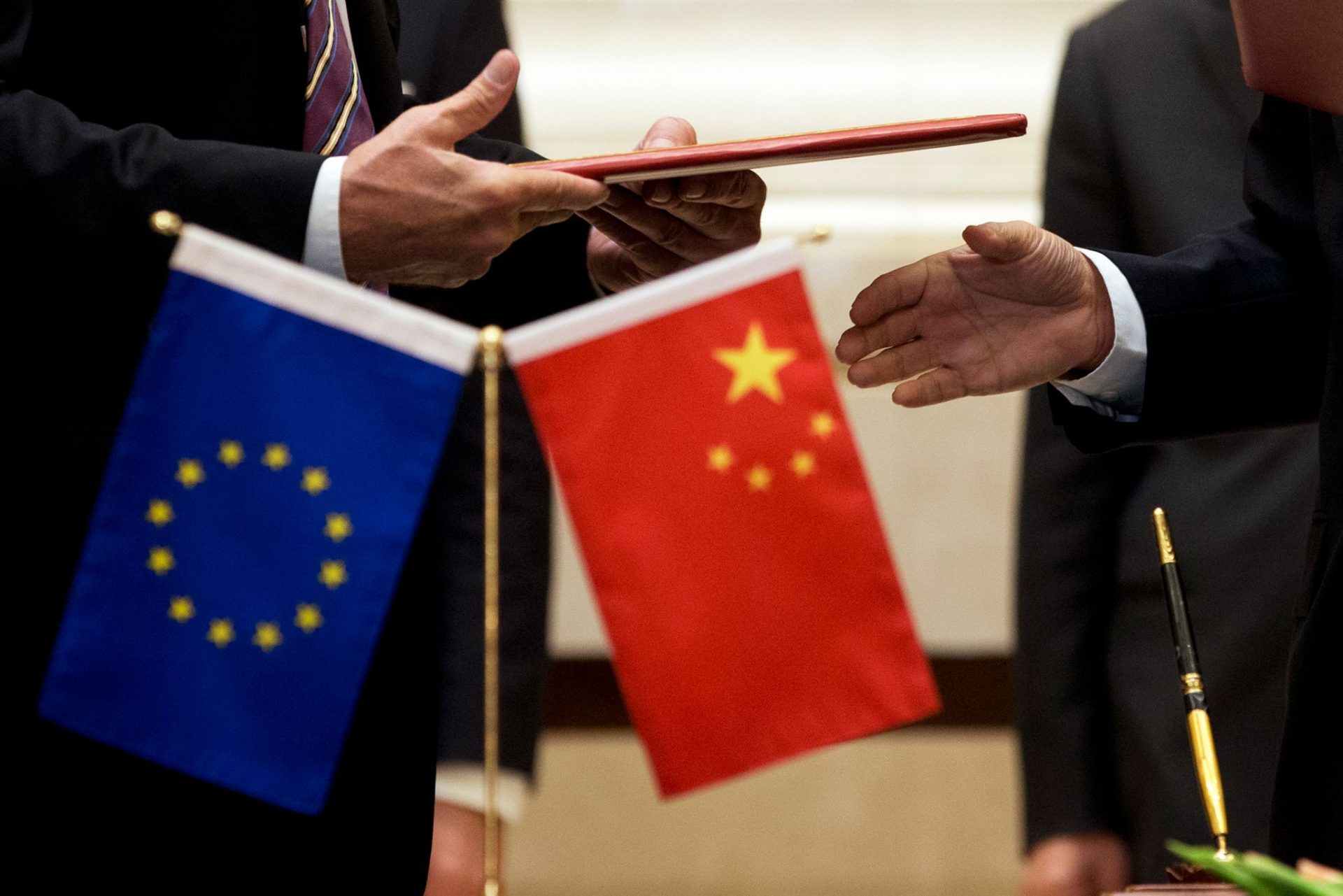
Brussels/Beijing (dpa) – Minimum prices instead of tariff surcharges: The EU is showing electric car manufacturers producing in China ways to avoid the additional tariffs introduced in 2024. Under new guidelines, companies can commit to setting minimum prices for vehicles exported to the European Union in order to avoid the price surcharges. In addition, in the case of a corresponding offer, commitments to invest in the EU or to limit exports would be positively taken into account.
Such offers would be assessed objectively and fairly by the European Commission, according to the new guidelines of the EU Commission. A prerequisite for acceptance is that the measures eliminate the damaging effects of subsidies and have an effect equivalent to the tariffs.
Beijing welcomes guidelines
The progress made shows that both sides are able and willing to resolve differences within the framework of World Trade Organization rules, declared the Beijing Ministry of Commerce. The Chinese Chamber of Commerce in Brussels also welcomed the EU document. The result takes account of the concerns of business and creates a more stable and predictable environment for Chinese electric car manufacturers and their supply chains in Europe.
There have long been talks between both sides about possible minimum import prices as an alternative to the EU’s additional tariffs on electric cars imported from China. The EU surcharges were introduced in 2024 to secure the future of the automotive industry in the EU. In a prior investigation, the EU Commission had concluded that manufacturers in China benefit from unfair subsidies that give them a significant advantage in the European market.
Countervailing duties also affect German companies
The level of the additional tariffs varies depending on the manufacturer between 7.8 percent and 35.3 percent. Foreign companies operating in China are also affected – including Tesla, BMW and Mercedes-Benz. In China, Mercedes works with Geely, for example, whose exports are subject to an additional tariff of 18.8 percent. For Tesla, a rate of 7.8 percent applies, while for BMW it is 20.7 percent.
As a retaliatory measure, China imposed special tariffs on imports from the EU. They were imposed, for example, on spirits, pork and dairy products. (January 12)