






















Super Bowl Ads Cost $10M for 30 Seconds — Who Pays and Why?
Tonight’s game will be watched by 130 million Americans. NBC sold out its ad inventory in September. And brands are spending up to $20 million all-in for a single spot. Welcome to advertising’s most expensive day.
Q: How much does a Super Bowl ad cost in 2026?
A: A 30-second Super Bowl commercial costs an average of $8 million in 2026, with premium slots selling for more than $10 million — a record. When production costs and celebrity talent fees are included, the all-in cost ranges from $12 million to $20 million per spot. NBC sold out all available inventory in September, months before the NFL season began.
Somewhere in America tonight, a brand will spend $333,000 in the time it takes you to blink.
That is the cost-per-second of a Super Bowl commercial in 2026 — and it is the most expensive advertising real estate on the planet.
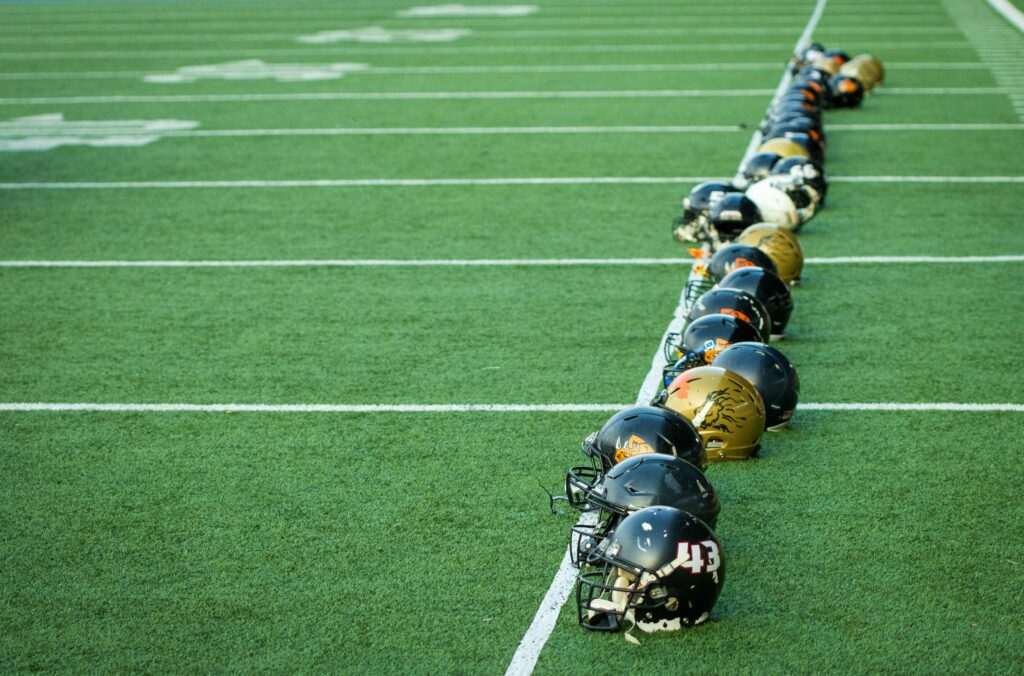
Super Bowl LX kicks off at 6:30 PM ET at Levi’s Stadium in Santa Clara, California, with the Seattle Seahawks facing the New England Patriots. But for the advertising industry, the real competition has already been won and lost. NBCUniversal sold out every commercial slot in September, before a single regular-season game had been played. Brands have collectively spent hundreds of millions of dollars for the privilege of interrupting your nachos.
The question is: why?
In an era of ad blockers, streaming services and fractured attention spans, the Super Bowl remains the last mass-market event in American culture. More than 127 million people watched last year’s game. Tonight’s broadcast is expected to exceed that figure. And unlike every other moment in modern media, viewers actually want to watch the commercials.
For brands chasing scale, there is simply nothing else like it.
The Price of 30 Seconds
The numbers are staggering.
A 30-second national spot during Super Bowl LX is selling for approximately $8 million. Premium placements — the slots immediately before kickoff, during the halftime lead-in, or following a dramatic scoring drive — have reportedly sold for more than $10 million. That is a new record, breaking the ceiling that advertisers once thought would never be crossed.
To put that in perspective: in 1967, during the very first Super Bowl, a 30-second commercial cost $37,500. Adjusted for inflation, that would be roughly $350,000 today. The actual 2026 price is more than 20 times higher in real terms.
The $1 million threshold was not crossed until 1995. Prices doubled between 2012 and 2022. And they have continued climbing even as traditional television viewership has collapsed everywhere else.
“The Super Bowl is the only time of year when viewers don’t skip the ads — they actually turn up the volume,” said one media buyer. That captive attention is what brands are paying for.
But the $8-10 million network fee is only the admission ticket. Production costs add another $1-5 million. A-list celebrity talent fees — once commanding $10-15 million for a single appearance — have settled into a $3-5 million range as brands tighten budgets. When everything is tallied, a single Super Bowl commercial can represent a $12-20 million all-in investment.
For that money, you get 30 seconds of fame — and the chance to become either the hero of Monday morning conversations or an expensive cautionary tale.
The Last Mass Audience
The economics only make sense because of scale.
Super Bowl LIX in 2025 drew a record 127.7 million average viewers across television and streaming platforms, making it the largest single-network telecast in American history. Peak viewership hit 137.7 million during the second quarter. When Nielsen expanded its methodology to count all unique viewers who watched for at least one minute, the total reached 191.1 million Americans.
Add international audiences — 62.5 million viewers outside the United States in 2024, with strong numbers in Mexico, Canada, the UK and Germany — and the global reach likely exceeds 200 million people.
No other event comes close.
In a media landscape where audiences are fragmented across hundreds of streaming services, podcasts and social feeds, the Super Bowl aggregates more than 100 million simultaneous viewers into a single moment. For brand marketers, that concentration of attention is priceless.
“This is the highest peak of all monoculture,” said actor Andy Samberg, who appears in a Super Bowl spot this year. He is not exaggerating.
The viewership figures also explain why traditional broadcasters are fighting so hard to retain sports rights against streaming competitors. Live sports — and the Super Bowl in particular — remain the last reliable driver of mass simultaneous audiences. Everything else can be time-shifted, skipped or ignored.
Who Writes the Cheques
This year’s Super Bowl advertiser roster reads like a index of American corporate power — and a snapshot of which industries are flush with cash in 2026.
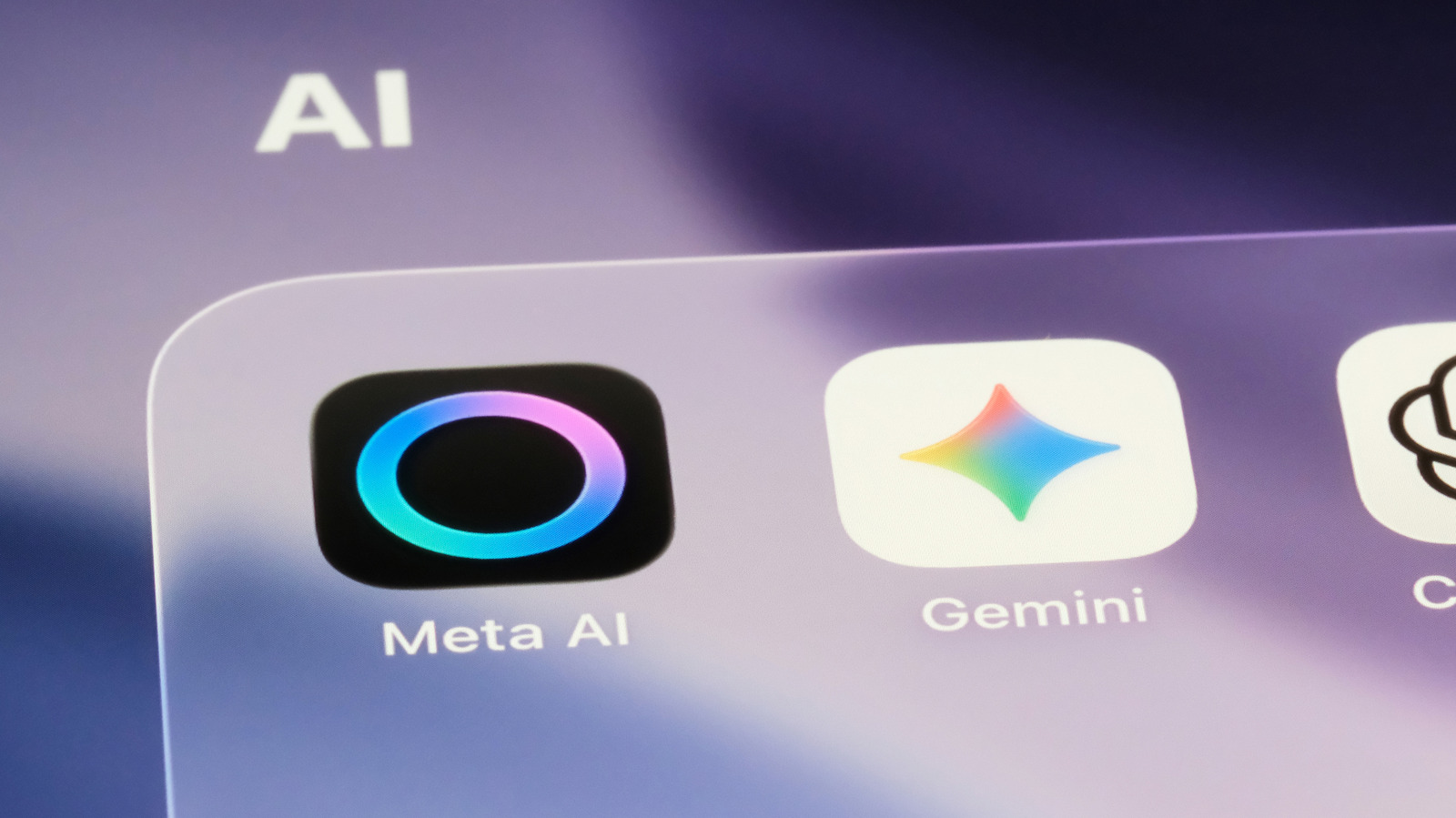
Tech and AI represent the fastest-growing category. Google, Amazon, Meta, Anthropic, OpenAI, Salesforce, Rippling, Wix and Squarespace are all running spots. NBCUniversal’s Peter Lazarus, who oversees sports advertising, said viewers will see “a plethora of AI units across our entire broadcast.”
Anthropic, the AI company behind Claude, is making its Super Bowl debut with a 60-second pregame spot and a 30-second in-game ad. OpenAI returns after its first television commercial aired during last year’s game. The AI wars that have been reshaping software valuations are now being fought on Madison Avenue.
Alcohol remains a Super Bowl staple. Anheuser-Busch is running multiple spots across Budweiser, Bud Light and Michelob Ultra. The Budweiser Clydesdales will make their annual appearance. Bud Light has reunited Post Malone, Peyton Manning and Shane Gillis for a sequel to last year’s popular commercial.
Health and telehealth companies have emerged as major spenders. Hims & Hers returns after its 2025 debut, promoting weight-loss medications. Competitor Ro is making its first Super Bowl appearance with a spot featuring Serena Williams. The boom in GLP-1 drugs has given these companies the marketing budgets to compete with legacy consumer brands.
Betting platforms are increasingly prominent. Fanatics Sportsbook is running its first-ever Big Game commercial, featuring Kendall Jenner. The explosive growth in prediction markets and sports betting has created a new class of aggressive advertisers willing to pay premium prices for sports audiences.
Studios continue using the Super Bowl to launch tentpole films. Paramount is promoting “Scream 7.” Universal has “The Super Mario Galaxy Movie.” Disney is running spots for “The Mandalorian and Grogu.” A Super Bowl trailer can generate more buzz in 30 seconds than months of conventional marketing.
Notably, automakers are less prominent than in previous years. The struggles facing traditional car companies — including Stellantis’s recent $26 billion write-down — have constrained marketing budgets across the industry. Jeep and Cadillac are running spots, but the automotive presence is diminished.
The NBC Windfall
For NBCUniversal, Super Bowl LX represents a financial bonanza.
The network sold out all advertising inventory in September — remarkably early, even by Super Bowl standards. Mark Marshall, NBCUniversal’s chair of global advertising and partnerships, said demand far exceeded supply.
“There was so much interest in the Super Bowl and the Olympics, so we went to the marketplace earlier with packages that would include both of them,” Marshall told Adweek. “There just was so much demand against it, and there were just not enough spots for everyone who wanted to be in.”
NBC is capitalising on a fortuitous calendar. February 2026 brings the Super Bowl, the Winter Olympics in Cortina d’Ampezzo and the NBA All-Star Weekend — all on NBC platforms. The network has branded the month “Legendary February” and is selling advertising packages across all three events.
The strategy is working. Seventy percent of Super Bowl advertisers also bought Olympics inventory. Forty percent purchased across all of NBC’s major sports properties. The bundling approach has allowed NBC to extract maximum value from brands desperate for mass-audience exposure.
Total Super Bowl advertising revenue reached a record $485 million in 2021. With 2026 prices running 15-25 percent higher and inventory sold out, this year’s figure is expected to approach or exceed $600 million — from a single four-hour broadcast.
For context, that is more than the annual advertising revenue of most cable networks.
The ROI Question
Are Super Bowl ads worth it?
The honest answer is: it depends.
Success stories are legendary. Apple’s “1984” commercial launched the Macintosh and is still studied in business schools. Budweiser’s Clydesdales have become cultural icons. Dollar Shave Club’s 2012 viral spot helped build a company that sold to Unilever for $1 billion.
But for every breakthrough, there are forgotten failures. Brands that spent $15 million on jokes that fell flat. Commercials that generated social media mockery rather than purchase intent. Products that got attention but no sales lift.
The industry has developed sophisticated metrics to measure Super Bowl advertising effectiveness. Kantar tracks “Ad Impact Scores” combining awareness, buzz and purchase consideration. Harris Poll measures lift in brand familiarity. iSpot analyses digital engagement and search volume spikes.
Last year’s biggest winner by these metrics was Poppi, a prebiotic soda brand that saw an 11-point increase in ad awareness and a 4-point lift in purchase consideration. Booking.com had the most-viewed ad on YouTube for the third consecutive year. Lay’s generated the largest increase in purchase intent.
But the real value may be harder to quantify. A successful Super Bowl spot generates earned media coverage, social sharing and cultural relevance that extends far beyond the 30-second airtime. The same dynamics driving prediction markets — the aggregation of attention into specific moments — explain why brands keep paying.
In a fragmented media world, the Super Bowl offers something increasingly rare: certainty that your message will be seen.
The Streaming Shift
This year’s Super Bowl may mark a turning point in how America watches the big game.
NBC is broadcasting across multiple platforms: traditional television, Peacock streaming, Telemundo for Spanish-language audiences and NFL+ for digital subscribers. Industry analysts predict Super Bowl LX could become the first where streaming viewership approaches or exceeds traditional broadcast viewership.
The shift creates new opportunities for advertisers. Streaming platforms enable more sophisticated audience targeting. Interactive ad formats allow clickable calls-to-action and direct e-commerce integration. Performance data arrives in real time rather than waiting for next-day Nielsen reports.
But it also creates complexity. Comparing streaming metrics to broadcast ratings remains imperfect. Nielsen’s evolving methodologies have made year-over-year comparisons challenging. And the streaming audience, while growing, may behave differently than traditional television viewers.
For now, brands are hedging their bets — buying across all platforms to ensure maximum reach. The $8-10 million price tag covers distribution everywhere NBC has rights.
Tonight’s Stakes
When the Seattle Seahawks and New England Patriots kick off tonight, more than 130 million Americans will be watching. Billions of dollars in advertising will flash across screens in 30-second increments. Careers in marketing departments will be made or broken by whether viewers laugh, cry or reach for their phones.
The Super Bowl commercial has become something more than advertising. It is a cultural event in its own right — the one time each year when Americans collectively agree to be sold to, and even look forward to it.
At $333,000 per second, that attention does not come cheap.
But for the brands writing the cheques, there is nowhere else they would rather be.
Additional Reading:
- Stellantis Just Wrote Off $26B — The EV Dream Is Officially Dead
- Prediction Markets Are Now a $6B-a-Week Industry
- The Dow Just Hit 50,000 for the First Time in History
- One AI Tool Just Wiped $1 Trillion Off Software Stocks
- How Europe’s 5 Richest Football Clubs Print Money
The post Super Bowl Ads Cost $10M for 30 Seconds — Who Pays and Why? appeared first on European Business & Finance Magazine.